1. Introduction
- Electronic devices are getting hotter than ever these days. Engineers need a powerful solution to keep things cool. Heat pipes are one of the best ways to move heat quickly.
- Heat pipes operate using phase-change heat transfer. Therefore, heat pipes have exceptionally high conductivity. As a result, many industries use heat pipes in their cooling technologies.
- Factories also need specialized machinery to build heat pipes. At Bangwin Machine, we offer state-of-the-art thermal manufacturing equipment. Visit us at https://thermalmachinery.com/ to learn more.
To understand related thermal technologies, you may also explore:
2. What Is a Heat Pipe
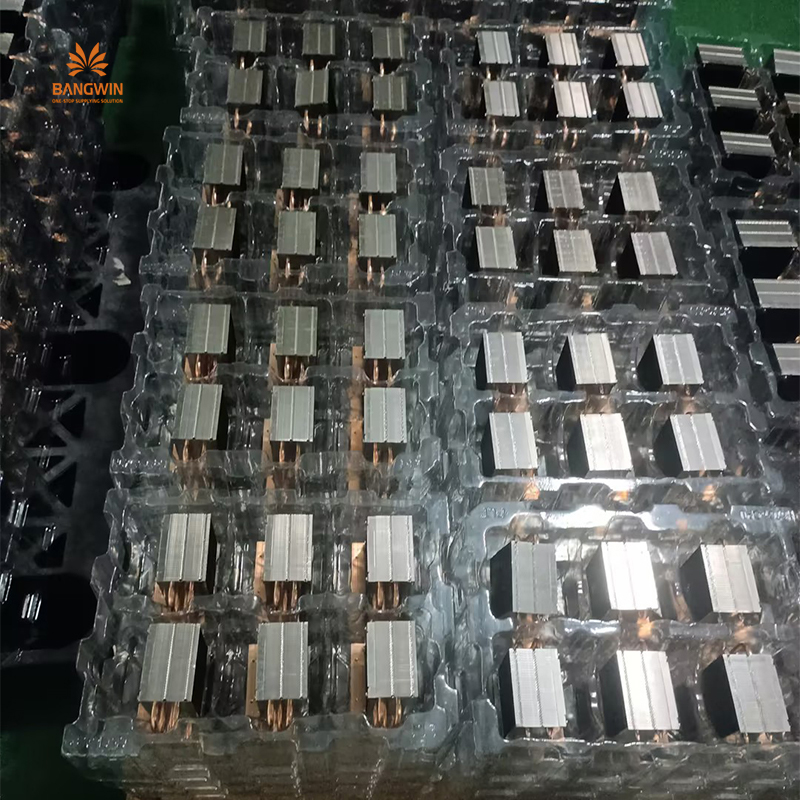
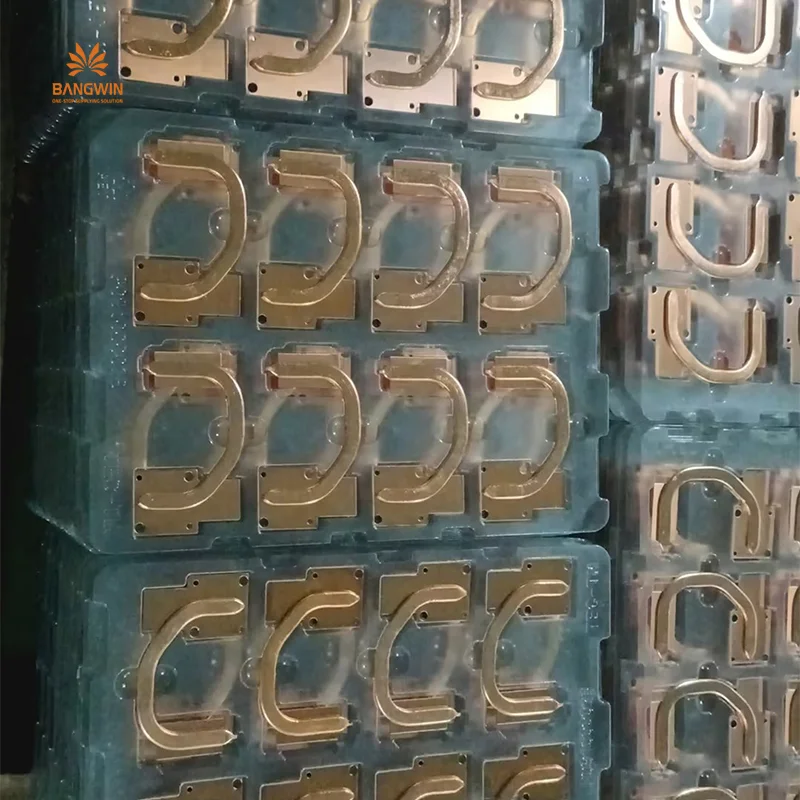
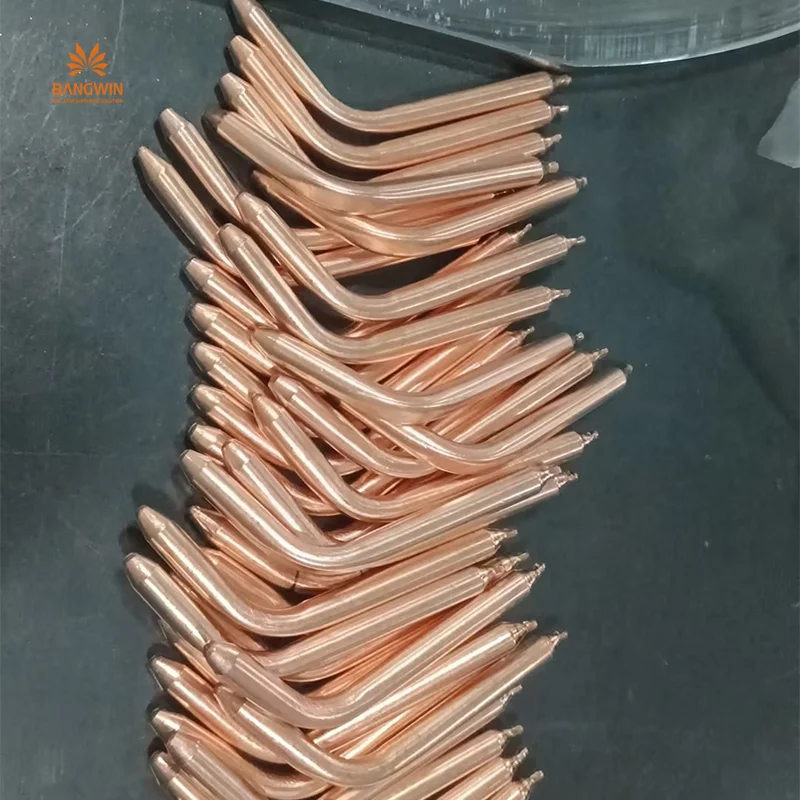
Essentially, a heat pipe looks like a closed metal tube. Heat pipes move heat through the process of evaporation and condensation.
The heat source applies heat to one end of the tube. A working fluid inside the pipe then evaporates from the heat. Vapor then travels to the cold end of the pipe.
Condensation then occurs and releases heat. Lastly, a wick inside the pipe returns the liquid to the hot end.
Heat pipes cycle through these steps over and over again. Since a phase-change is involved, heat pipes can conduct heat far quicker than solid materials.
You may also refer to ASHRAE for standard thermal engineering materials.
3. How a Heat Pipe Works
The cycle a heat pipe uses is called a closed thermodynamic cycle.
Heat is applied to the pipe through the evaporator. A working fluid then evaporates by absorbing heat.
Vapor will then flow through the pipe until it reaches the condenser. Since vapor can flow freely, heat can be distributed effectively.
The vapor will condense back into liquid when it reaches the condenser. The wick will then move the liquid back to the evaporator.
Just remember that heat pipes continue to cycle like this.
Checkout this IEEE research paper on heat transfer for more detailed information.
4. Structure of Heat Pipe
A heat pipe consists of the following structural elements.
- Metal Shell
Heat pipes commonly use copper or aluminum shells. Copper and aluminum allow heat pipes to transfer heat well.
- Wick Structure
The wick structure enables capillary force. Many producers choose sintered powder method, mesh, or grooved method.
- Working Fluid
The working fluid is the medium that transports heat within the heat pipe. Although deionized water is the most widely used heat transfer medium, you can use other fluids.
- Vacuum Environment
Heat pipes are in a vacuum environment. Therefore, they exhaust all the air before sealing them.
If one element is out of balance, it can cause problems with the heat pipe. For this reason, heat pipe production requires precision machinery.
5. Production Process of Heat Pipe
The production of heat pipes can be divided into the following stages.
- Cutting copper tubes to size
- Removing impurities on the inner wall with cleaning equipment
- Inserting wick materials and sintering them with furnace
- Exhausting internal gas with vacuum system and replenishing working fluid
- Sealing both ends of the heat pipe with welding or sealing equipment
- After production, leakage tests and thermal performance tests must be performed on the heat pipes.
Bangwin Machine has production machines that can meet your needs in each production stage. You can consult our production solutions by visiting https://thermalmachinery.com/ .
6. Benefits of Heat Pipe Technology
Heat pipes have many notable advantages.
They can maintain an extremely high thermal conductivity.
They can transport heat over large distances with minimal loss.
Additionally, heat pipes have no moving parts. As a result, they retain a great deal of reliability over time.
Heat pipes are also very small and lightweight. Engineers can place them in even the smallest electronics.
Thus, heat pipe technology is utilized in most modern cooling systems.
Since industries continue to value energy efficiency, heat pipes will continue to be used widely.
7. Industries that use Heat Pipes
Heat pipes enable the following industries and technologies to function:
- Cooling laptops and computers
- Cooling servers in data centers
- LED lightbulbs
- Power electronics for electric vehicles
- Aircraft
- Solar energy
Heat pipes are used in computer processors because they generate a lot of heat. Cooling systems must move heat towards heatsinks to keep these devices working.
Heat pipes allow for consistent thermal control in these cooling modules.
Internationally, energy research agencies such as the International Energy Agency recognize heat pipe technology.
8. Difference Between Heat Pipe and Vapor Chamber
Heat pipes and vapor chambers both work off of phase-change heat transfer. However, they do vary when it comes to physical construction.
Heat pipes are often cylindrical. Because of this they only dissipate heat in one direction.
Vapor chambers allow for heat dissipation across a wide flat surface. This allows for more uniform heat distribution.
Today it is common to see products that use both heat pipes and vapor chambers. Combining the two allows for the best thermal performance.
9. Reasons Manufacturers Pick Bangwin Machine
Bangwin Machine is a thermal equipment machine builder. The company provides machinery to create heat pipes and other heat dissipation products.
In addition to hardware, Bangwin provides full turnkey production lines. This includes factory layout, installation, and even operator training.
To maximize efficiency, our engineers will tailor systems to your needed production capacity.
Visit Bangwin Machine at https: //thermalmachinery.com/ to find out more about our thermal equipment offerings.
Bangwin Machine supplies customers with:
- Heat pipe production lines
- Vapor chamber production lines
- Heatsink production lines
- Thermal module assembly systems
With Bangwni Machine, you can have your entire cooling component factory built by a single source.
10. FAQ
Q:What does a heat pipe do?
A: It transports heat efficiently from a high temperature source to low temperature regions through phase-change heat transfer methods.
Q:What are heat pipes made of?
A: The majority of heat pipes consist of copper tubes filled with wick structures.
Q:How effective are heat pipes?
A: Heat pipes provide exceptionally high thermal conductivity that is hundreds of times greater than copper.
Q:Where are heat pipes applied?
A: Heat pipes can be seen in laptop computers, workstations, electric vehicles, LED lights, and various industrial heat exchangers.
Q: Where can heat pipe production machines be purchased?
A: Bangwin Machine offers professional heat pipe production solutions, please visit https://thermalmachinery.com/ to learn more.
11. Conclusion
Heat pipes are essential components in many thermal management applications. That is why heat pipes are becoming more common in industrial applications.
Since heat pipes allow for high heat transfer capabilities they allow for high power electronics and industrial systems to run.
Bangwin Machine offers state of the art equipment to manufacture heat pipes and other thermal components. Visit our website to learn about our full line of thermal manufacturing equipment and professional services at https://thermalmachinery.com/.
