
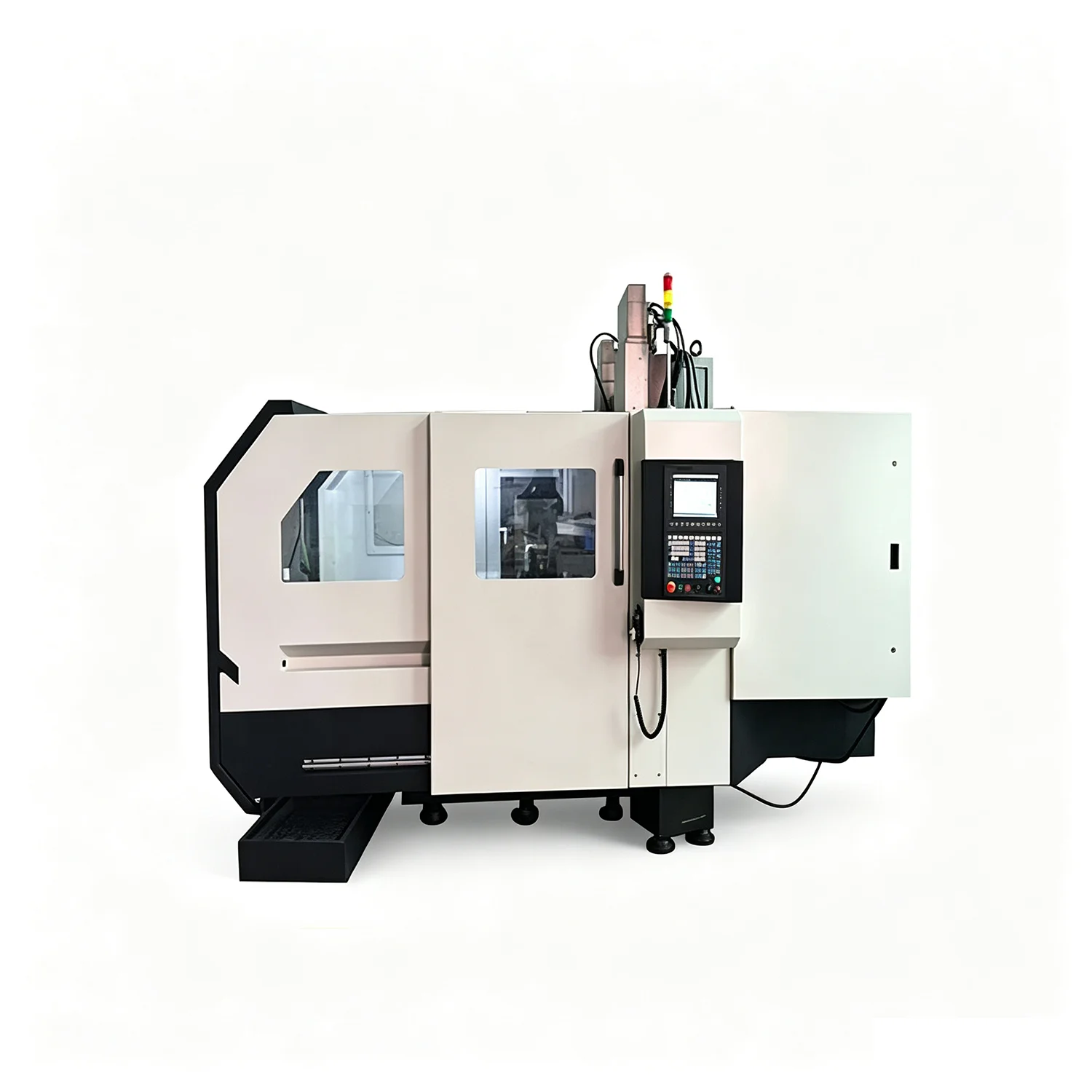
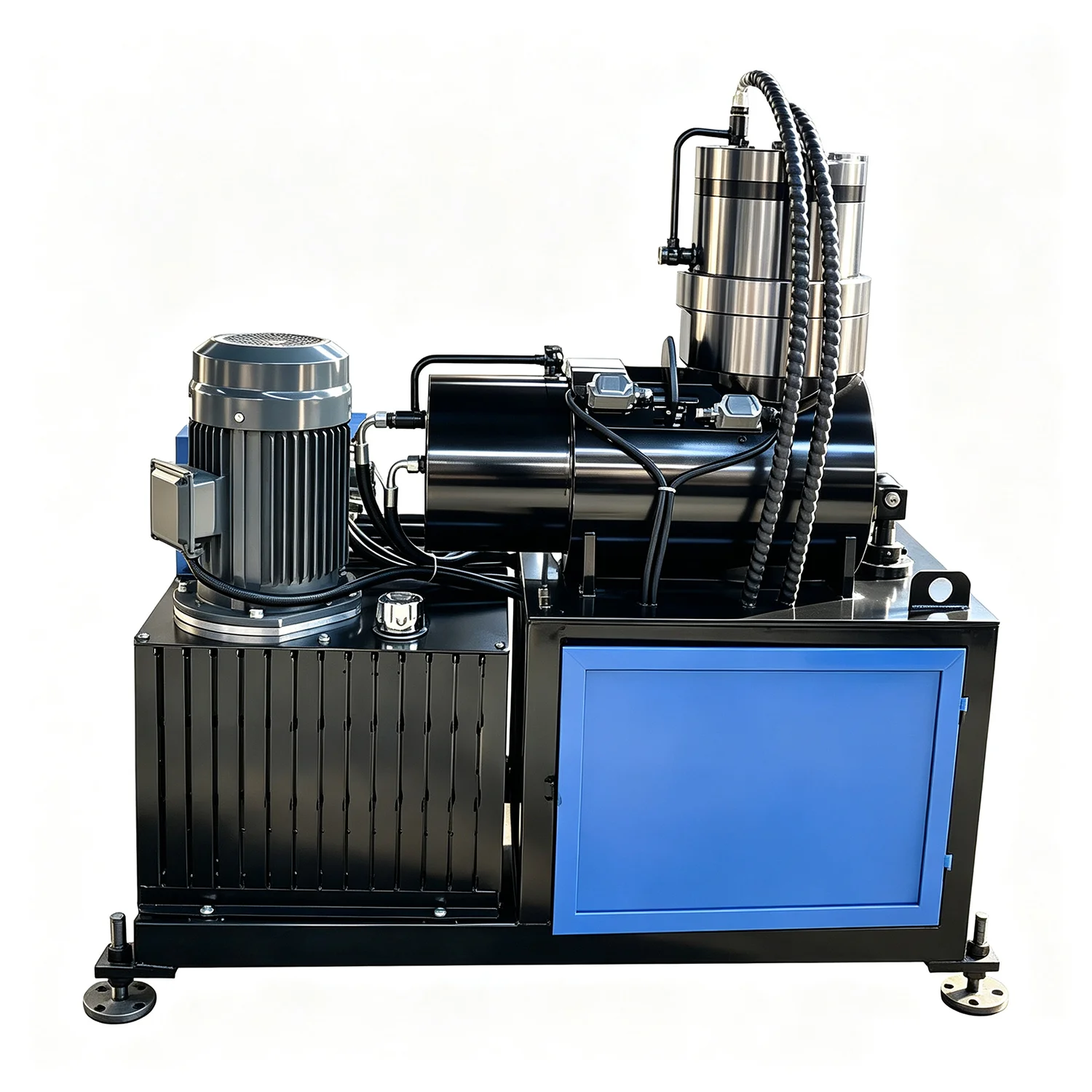
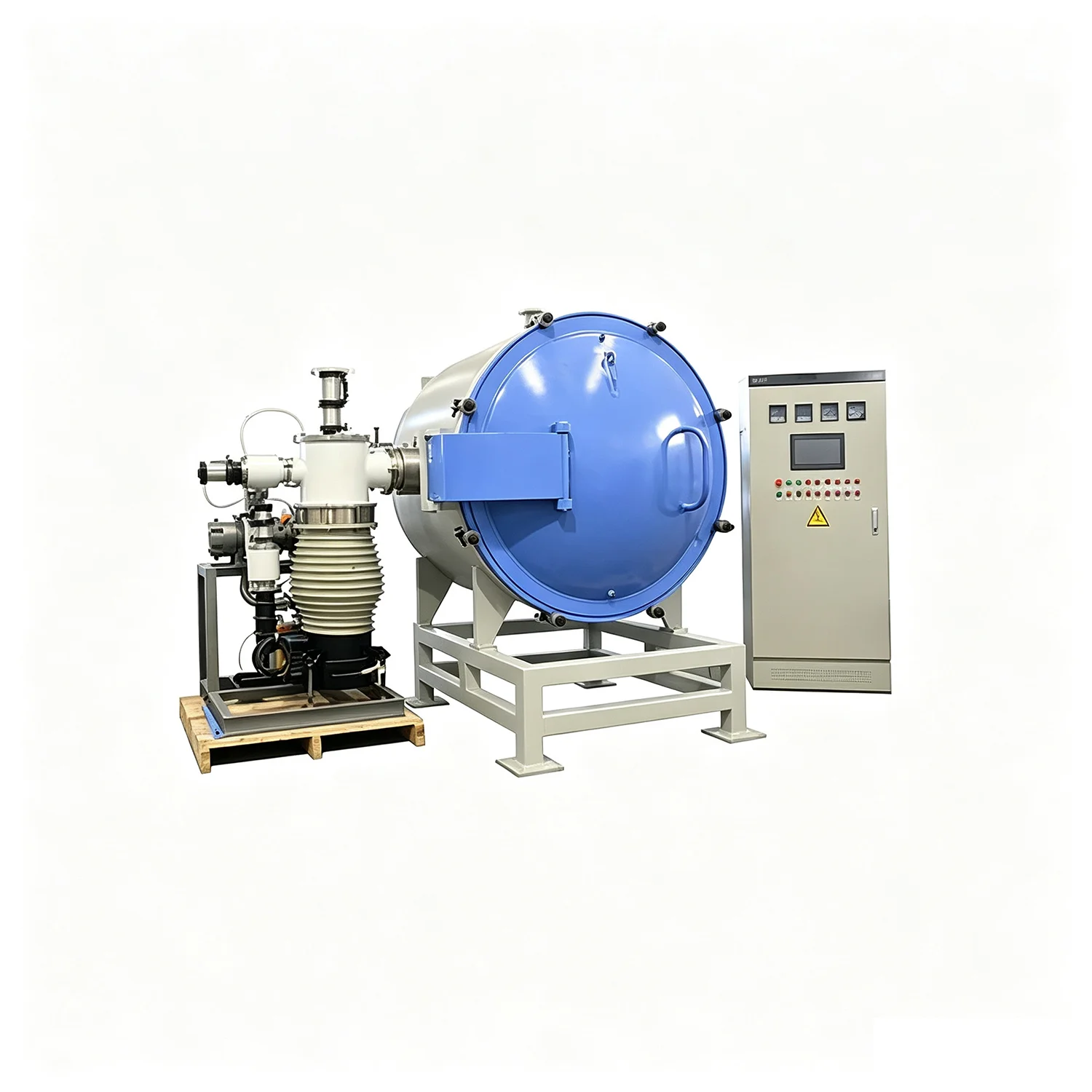
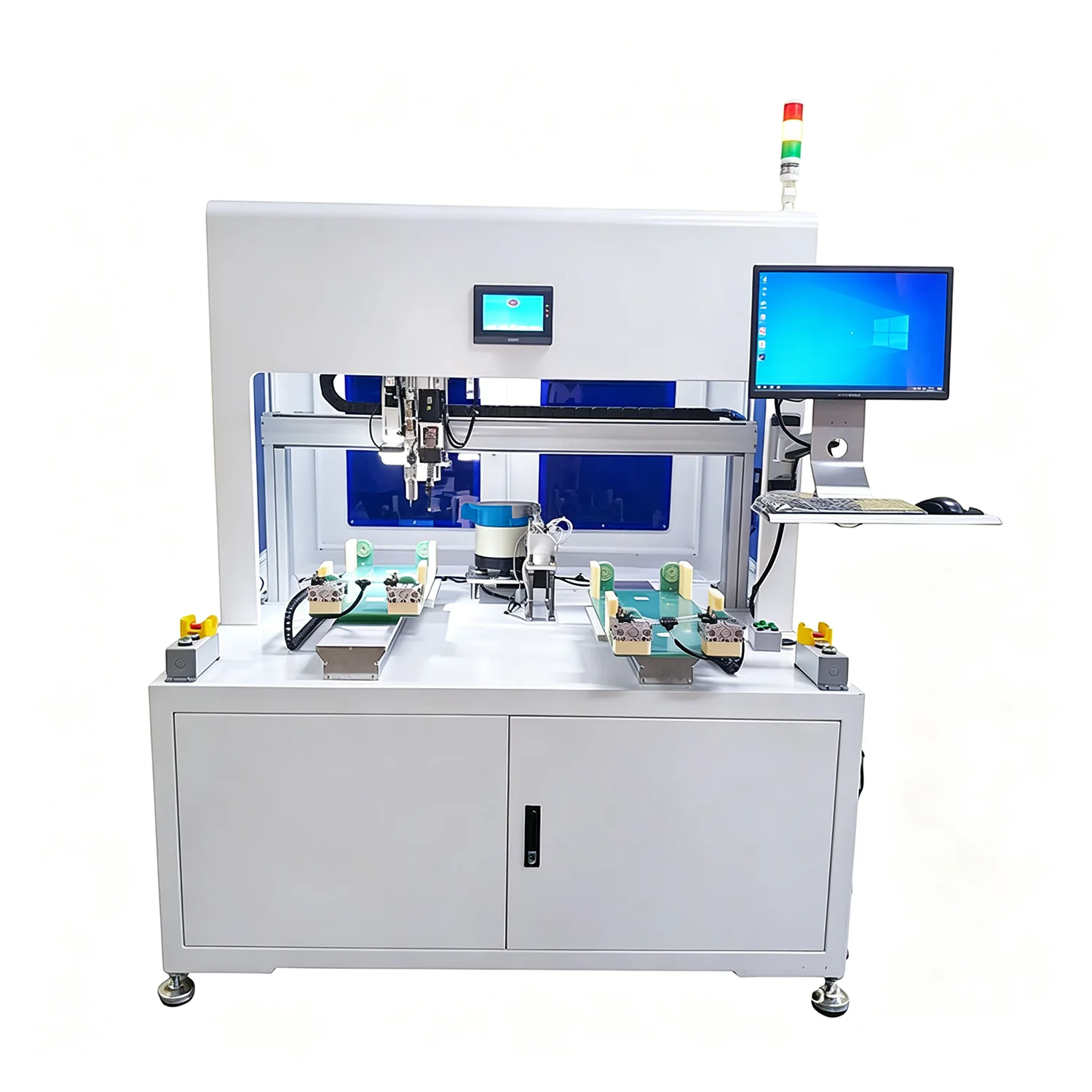
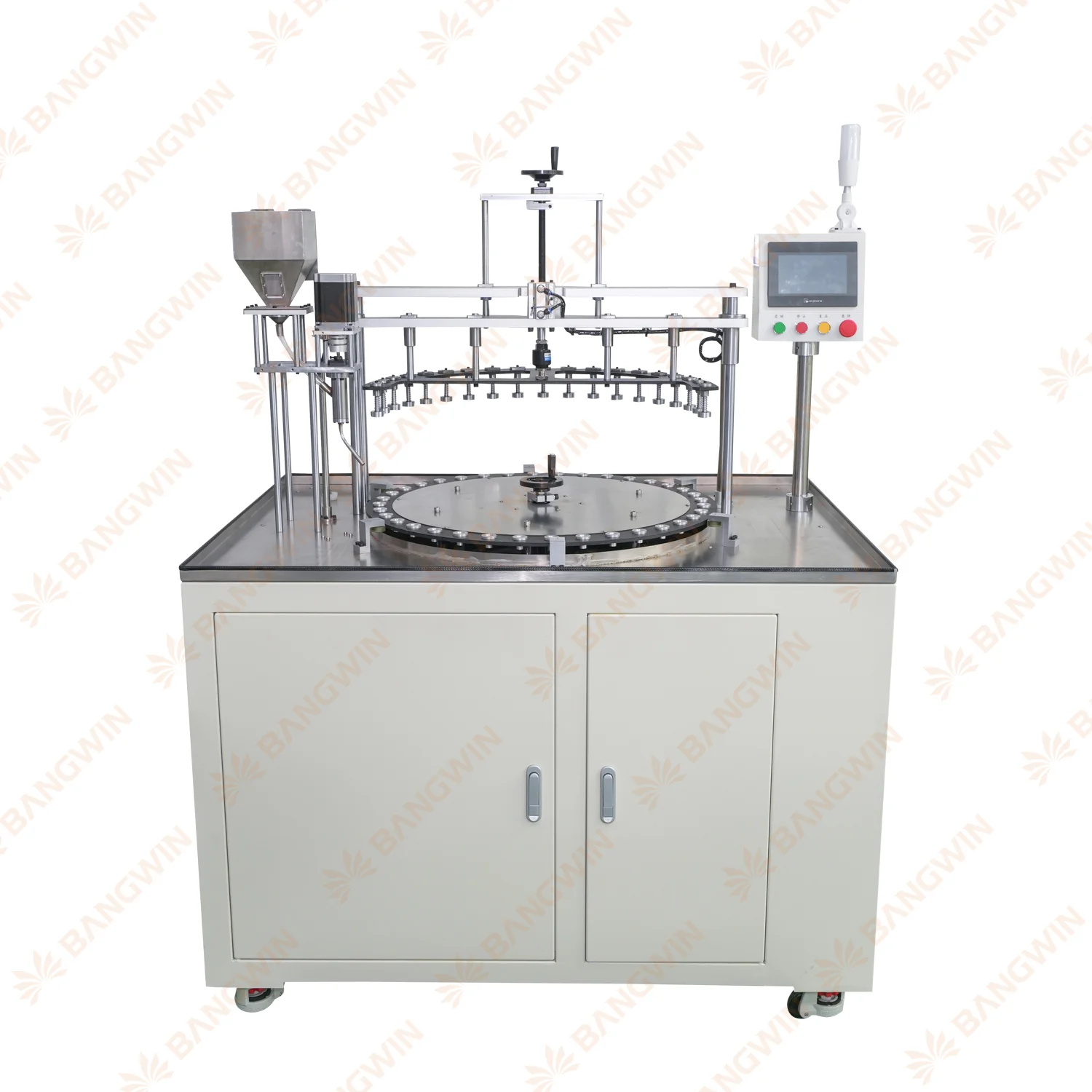
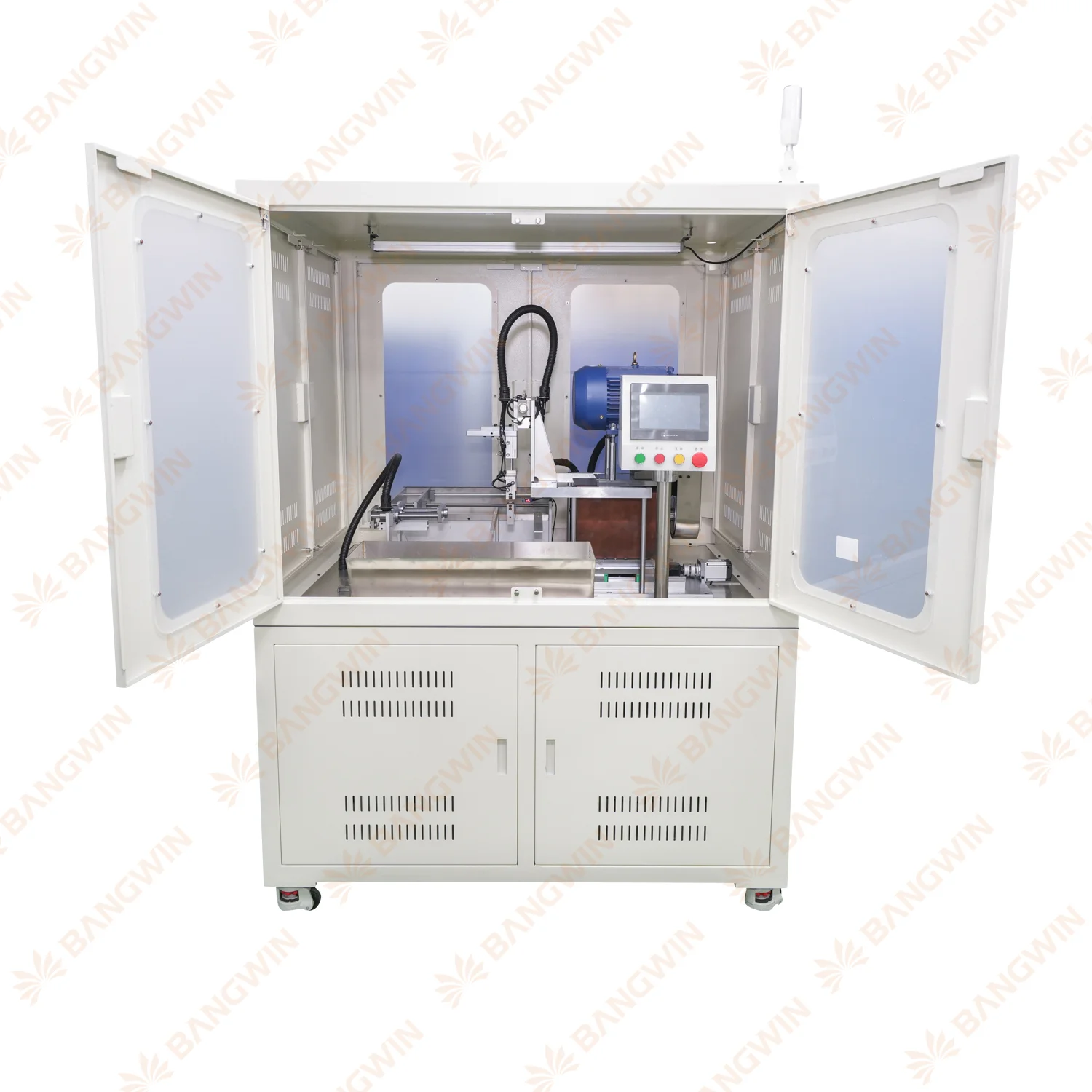
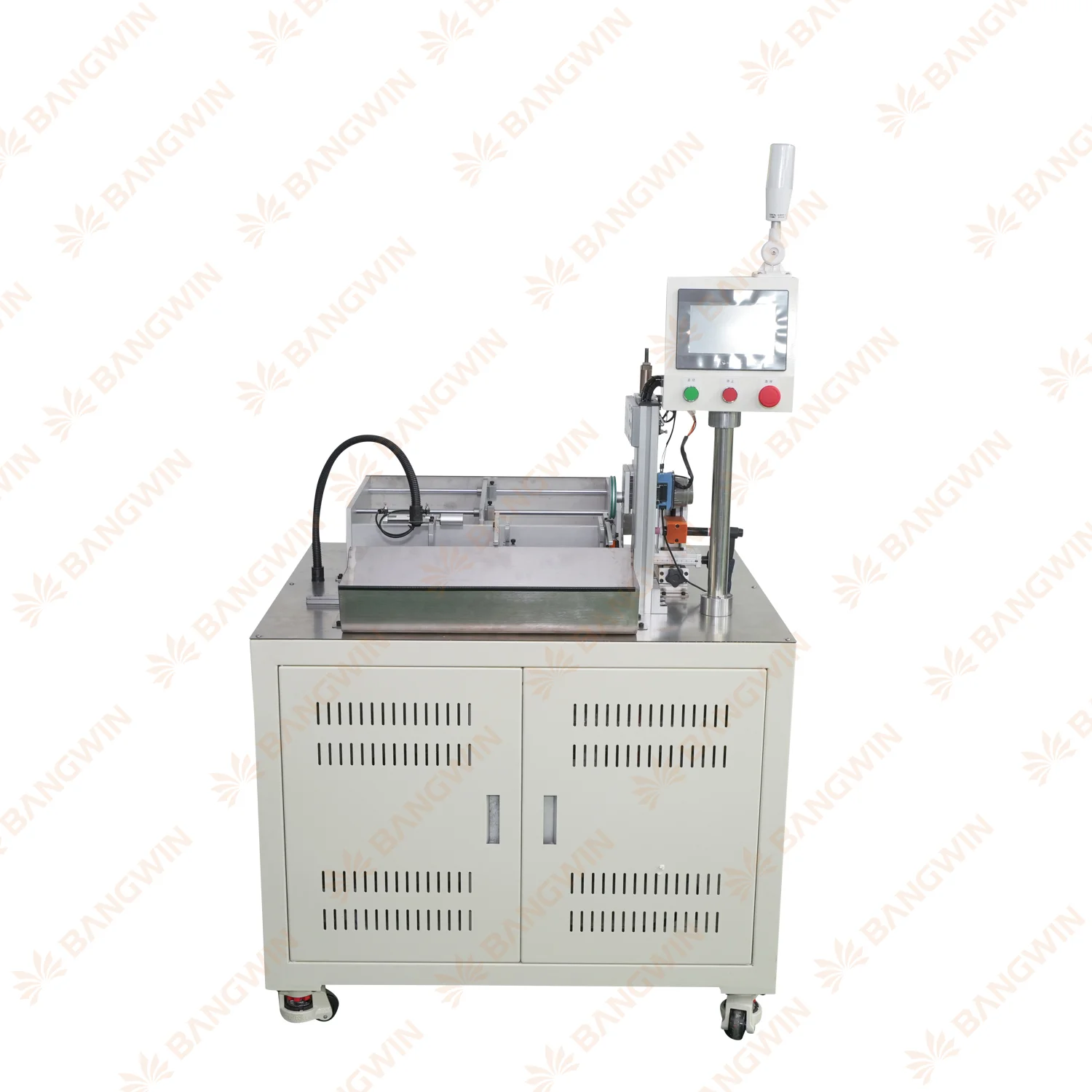
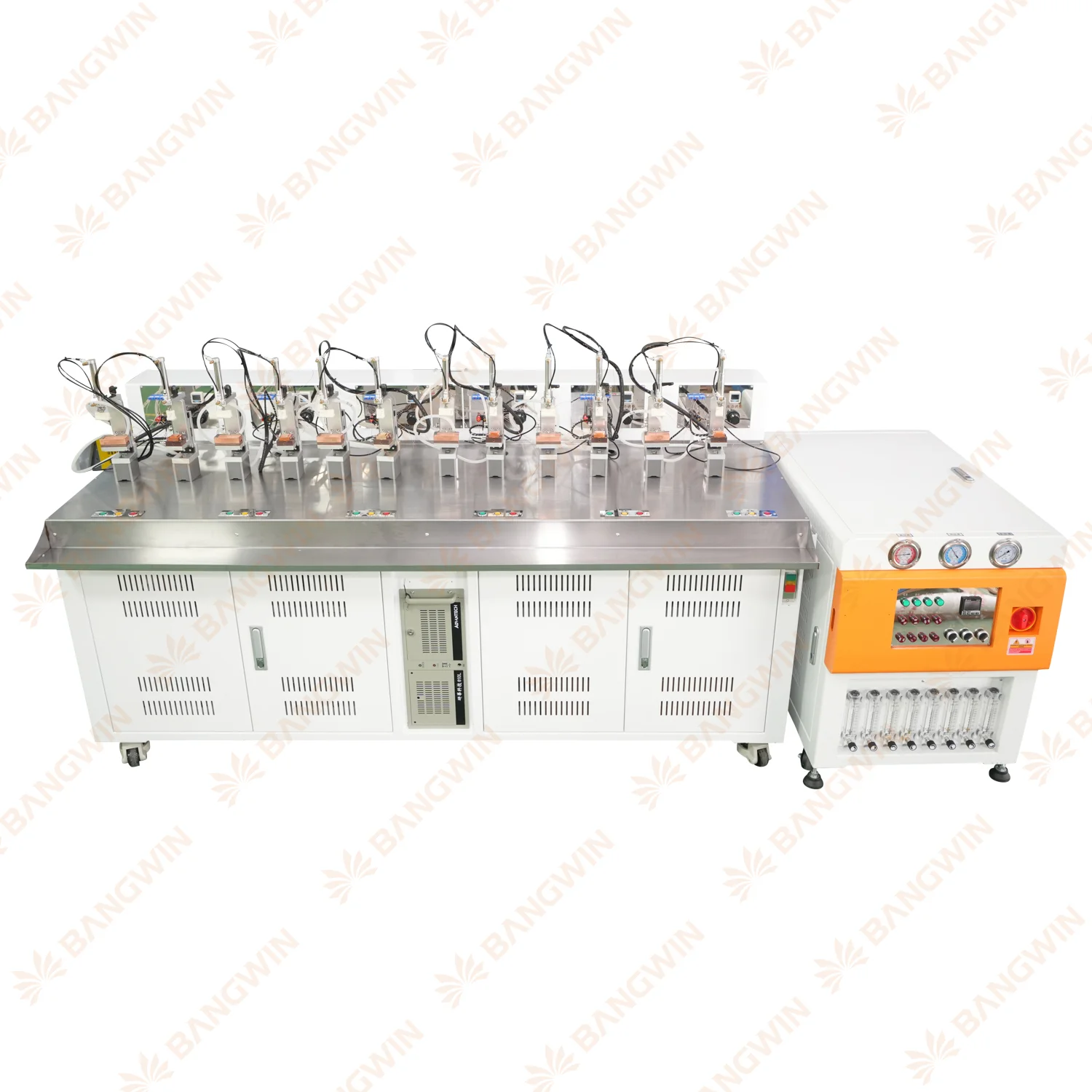
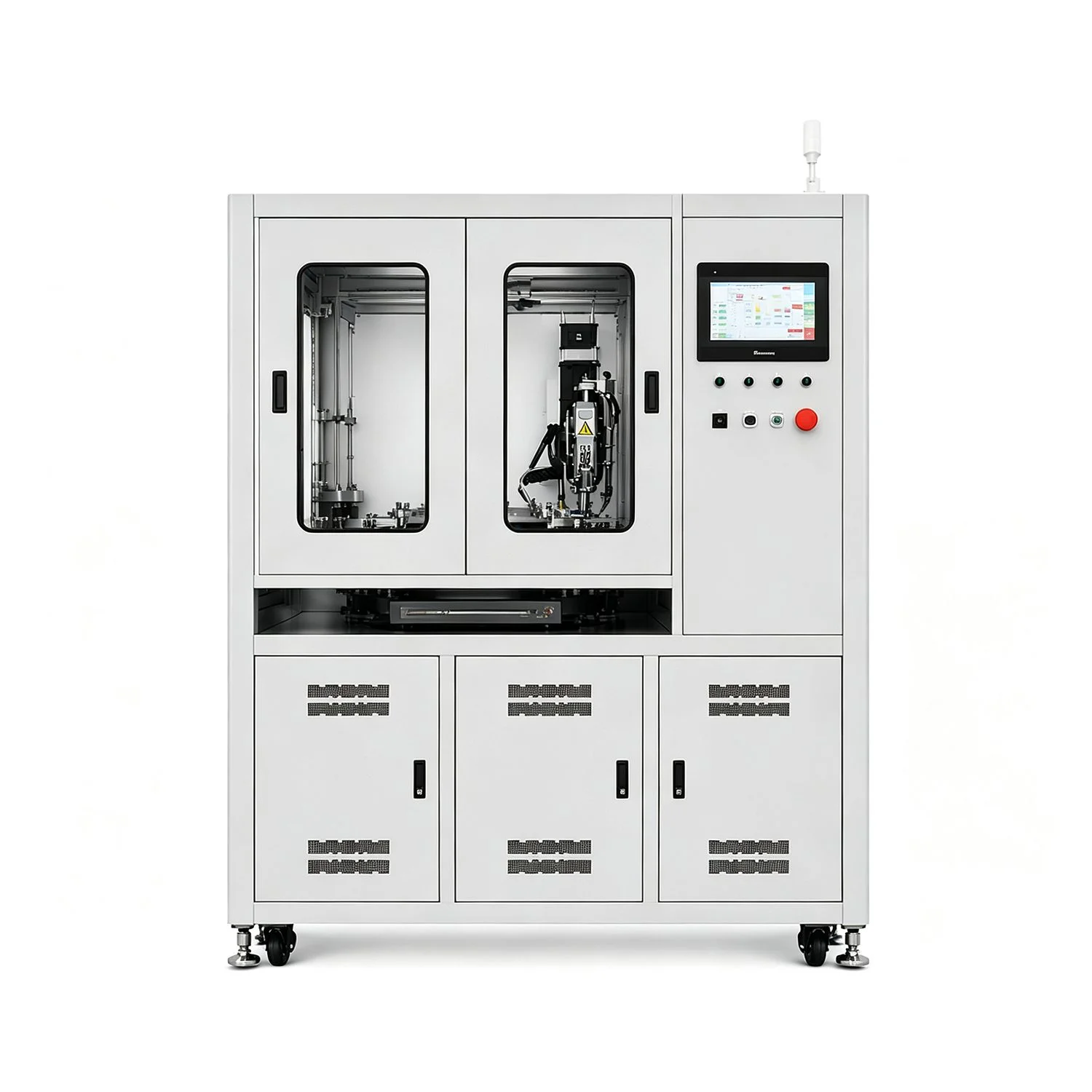
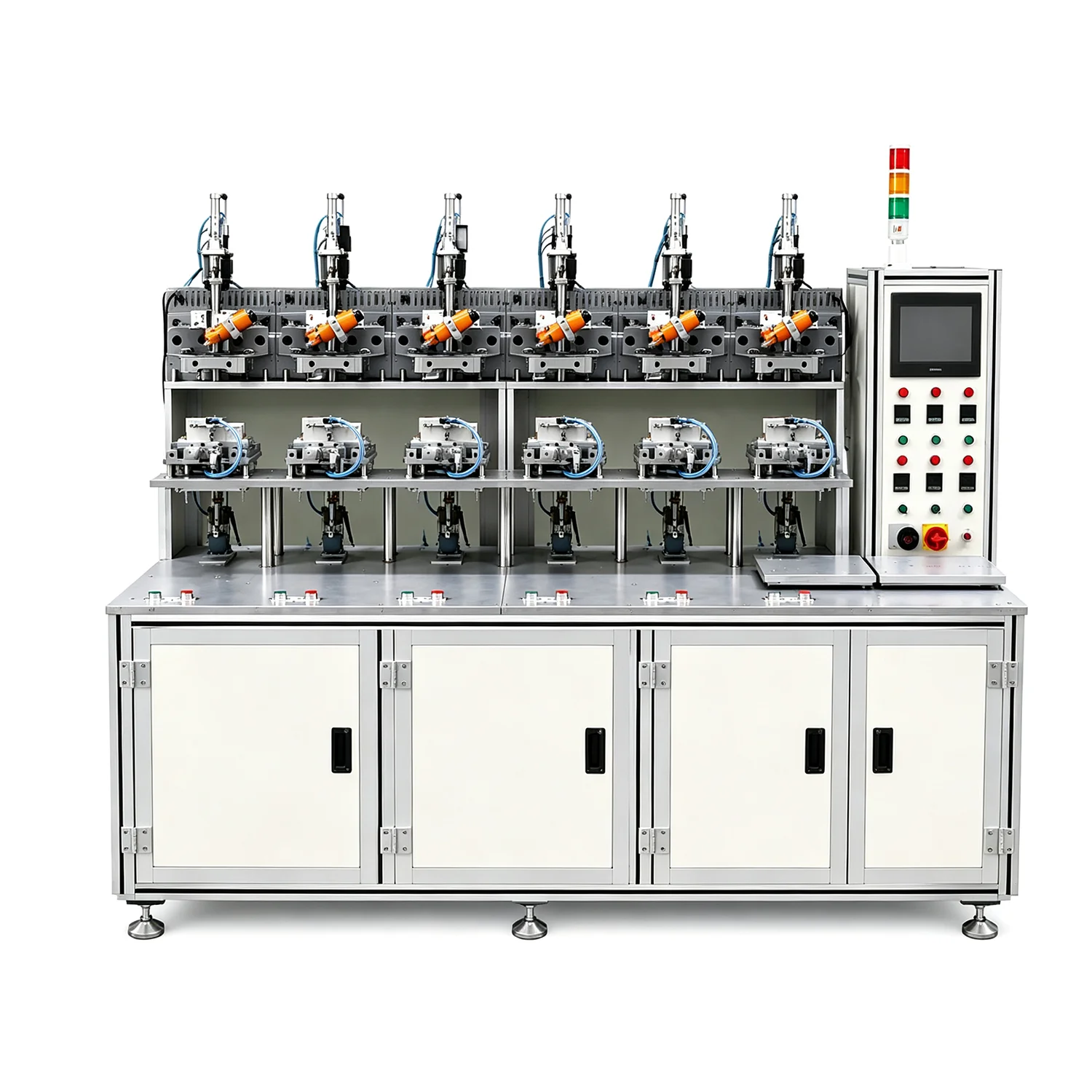
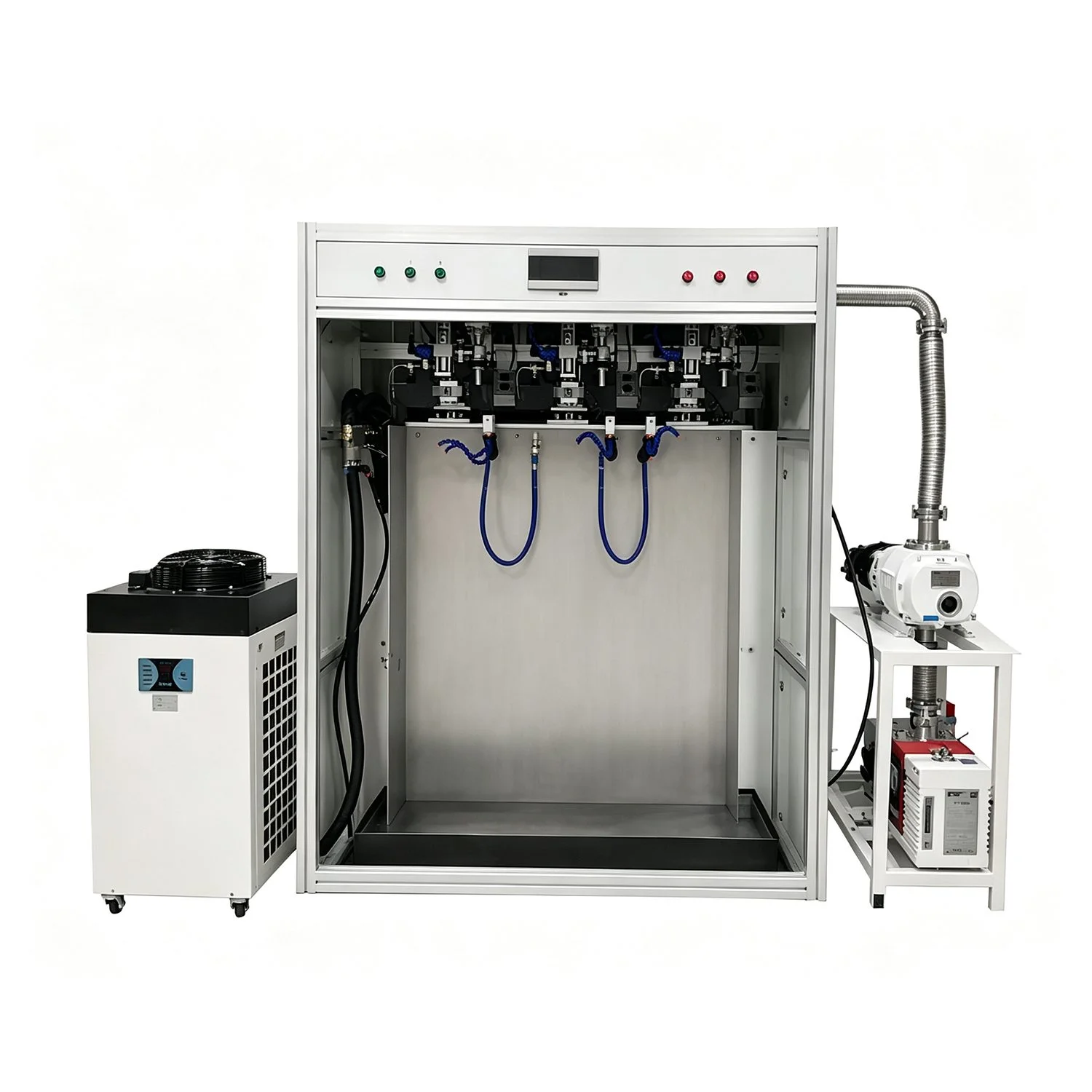
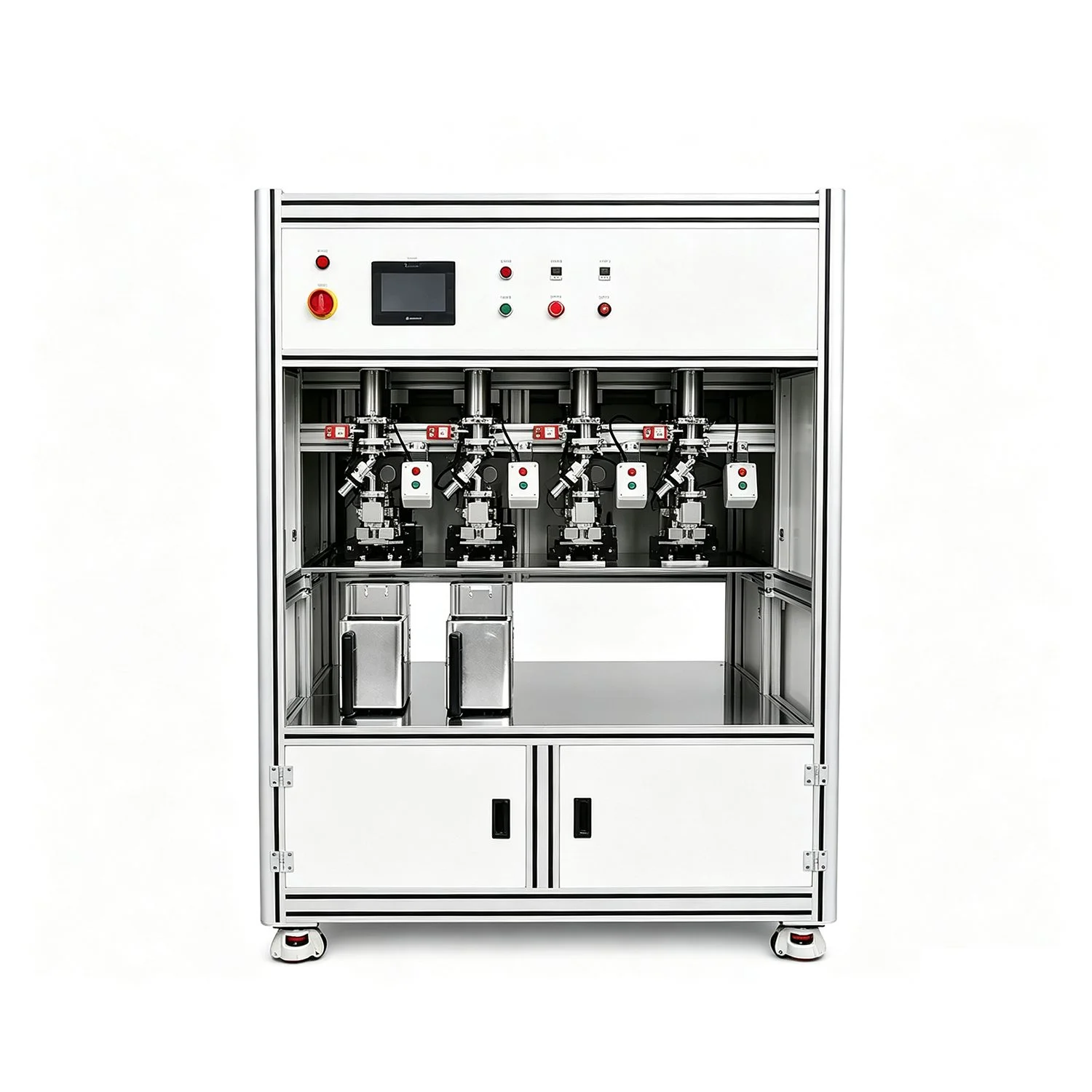
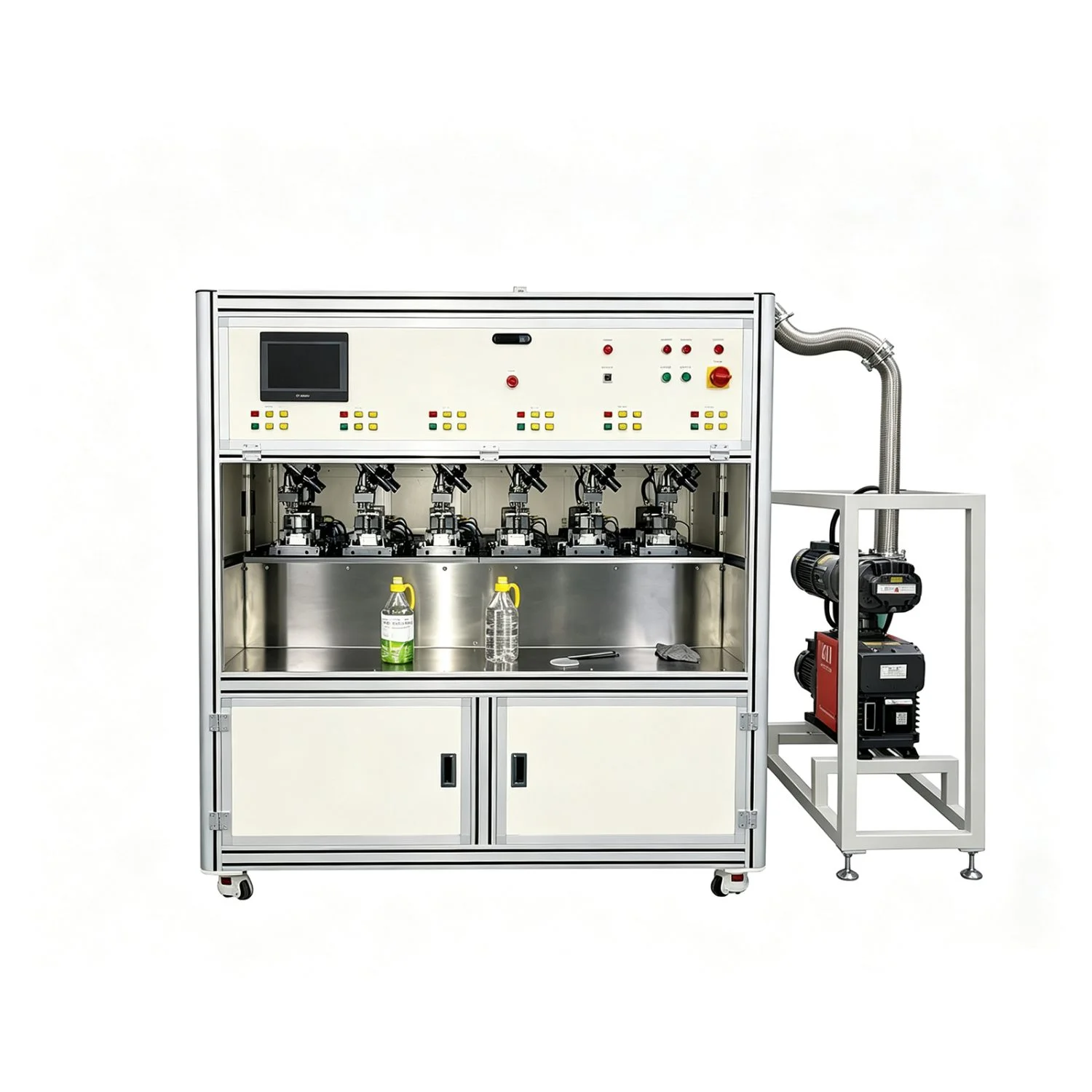
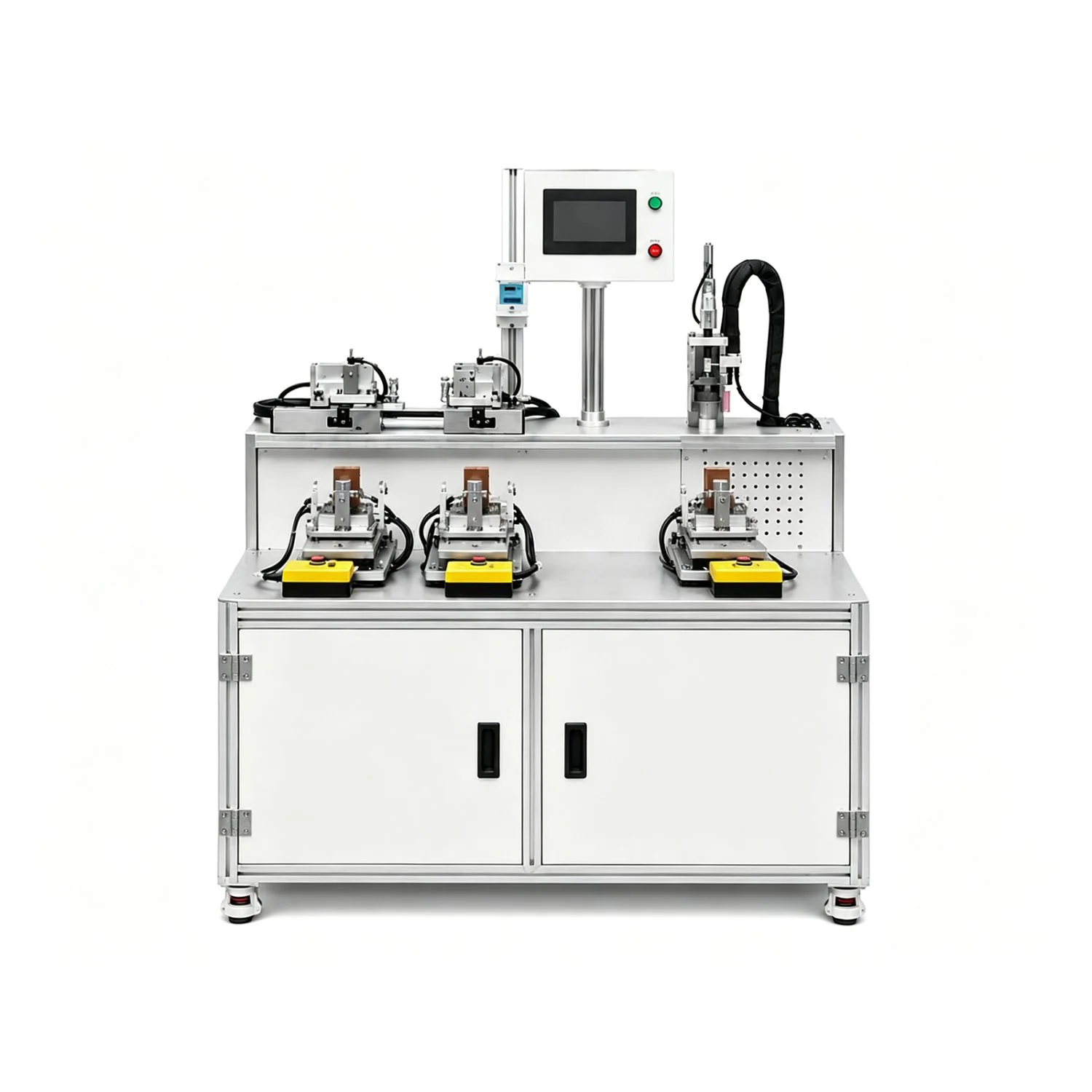
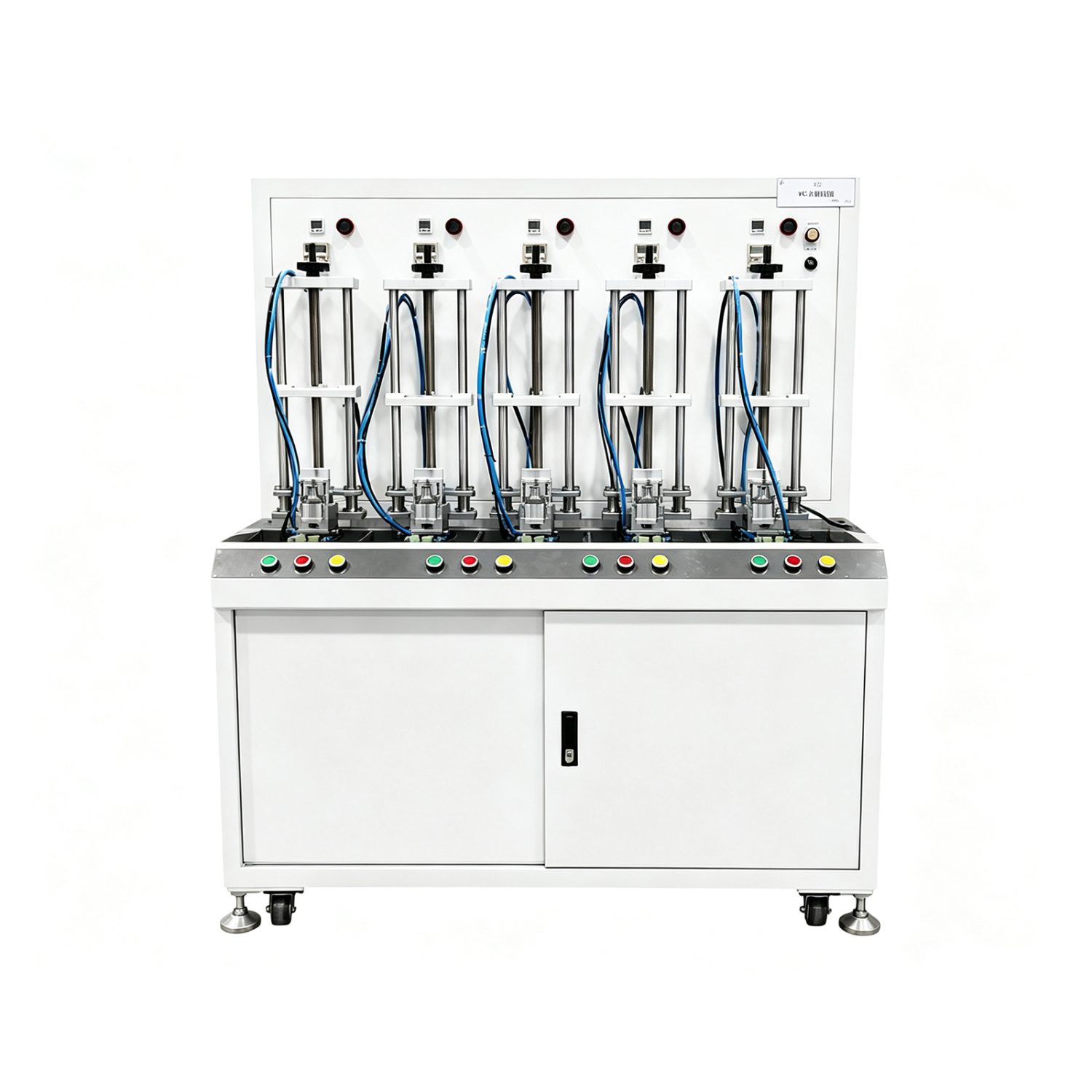
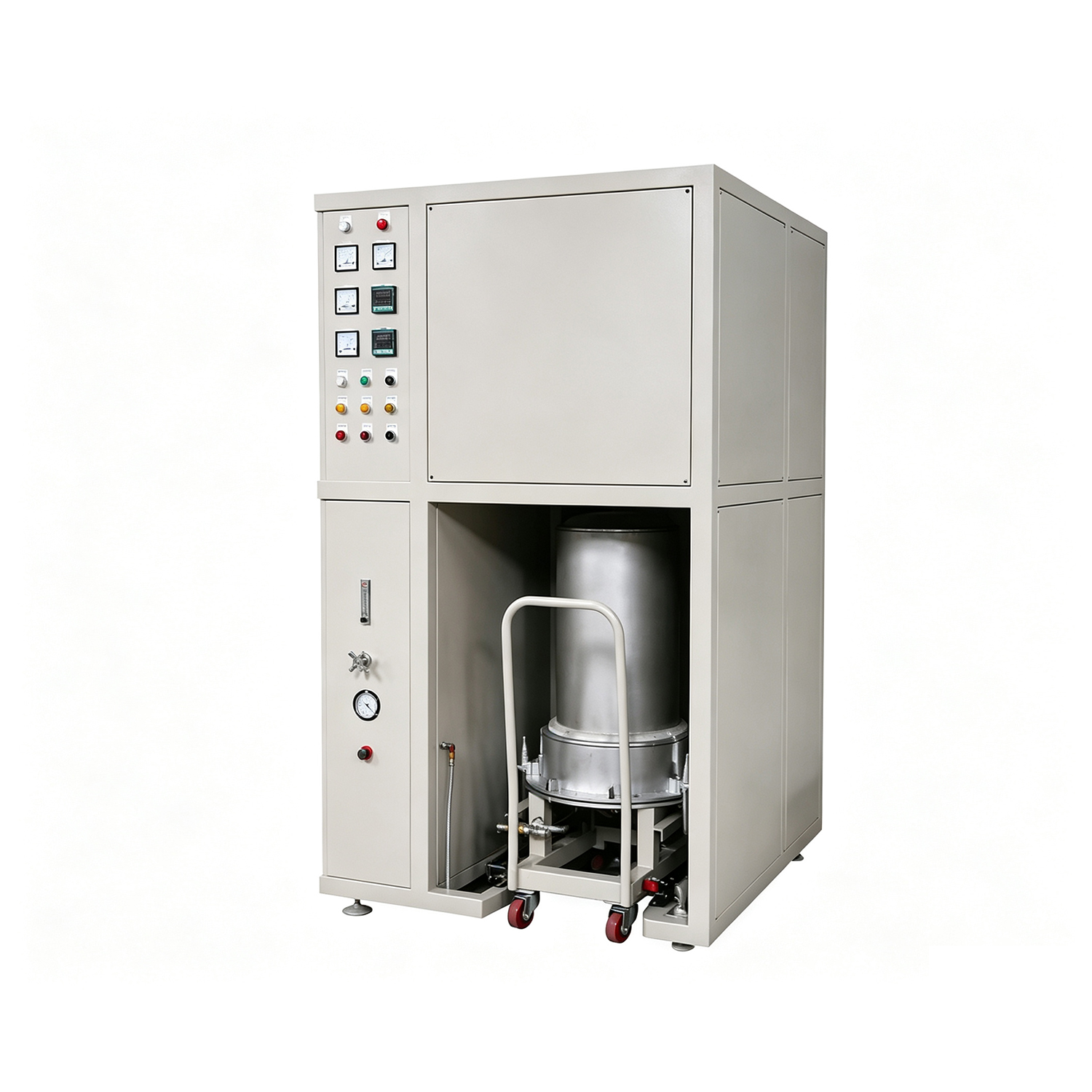
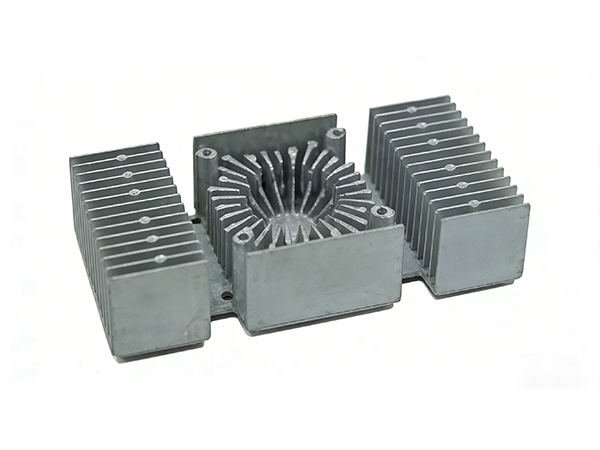
Die casting is the technique of pouring molten metal into a high precision mold. The mode or die cavity can be complex and unique. It is often used to mass produce complex three-dimensional structures. It is usually done with a single manufacturing step without post treatment.
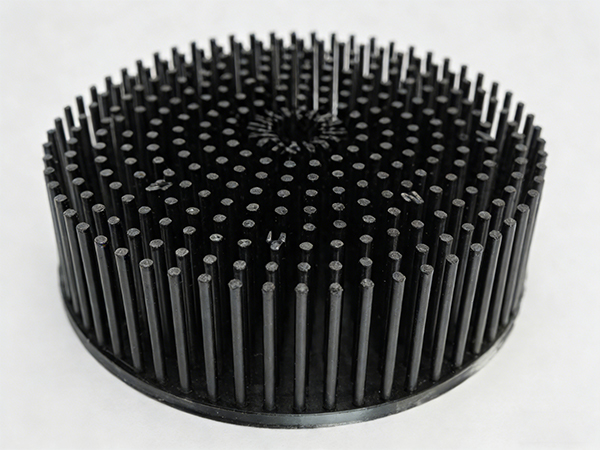
Forging is a deformation process in which the work is compressed between two dies, using either impact or gradual pressure to form the part. It is the oldest of the metal forming operations, dating back to perhaps 5000 BCE. Cold Forging is the technique of deforming metals into a desired shape by localized compressed force at room temperature. Fin arrays are formed by forcing raw material into modeling die by a punch. This process increased the impact and shear strength, and improved gain structure, reducibility and reliability of the final product.
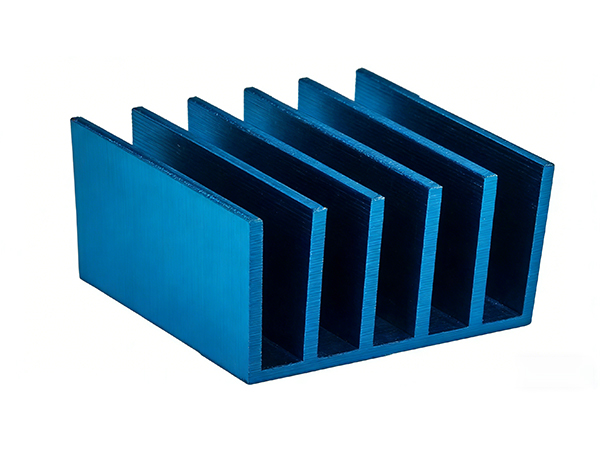
Extrusion is the technique of pressing a heated billet through a die of desired cross section profile. It is similar to squeezing toothpaste out of a toothpaste tube. This process is very good for its low tooling cost and high production output.
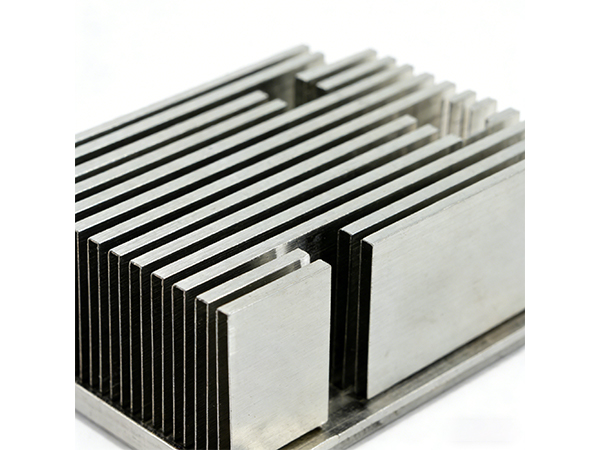
Folded fins are created by a progressive stamping method. After the folding, the fins are bonded to a base with thermally conductive epoxy, or welding to bond the metals. Folding fins can combine aluminum and copper to tailor the performance of the heat sink to different applications.
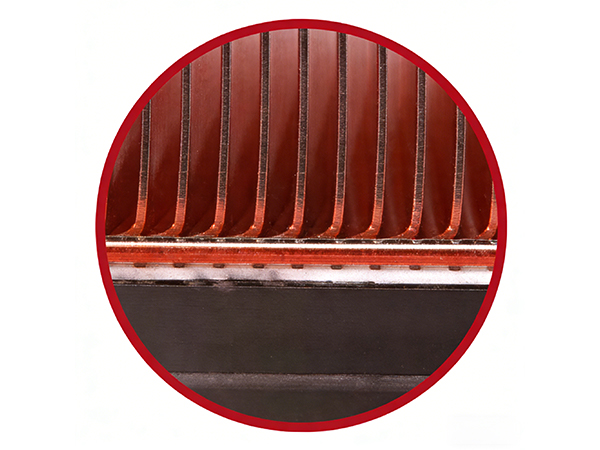
Skived fins are made by a knife tool that shaves fins up from an extruded aluminum or copper block. This predecessor can create an externally high fin to gap aspect ratio, which increases the surface area and drastically improves the thermal performance in forced airflow environments.
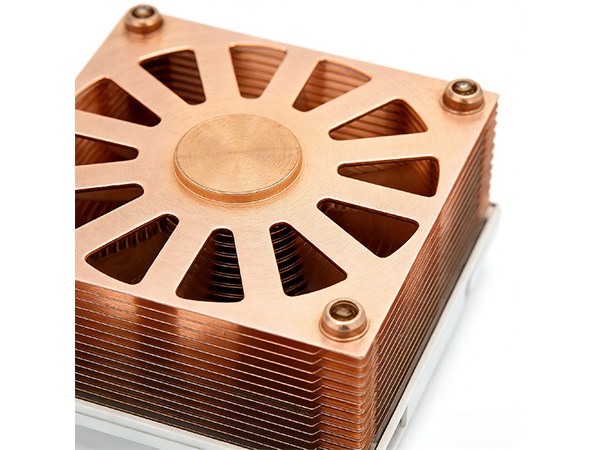
Stacked fins (also know as zipper fins or snapped fins) are assembled out of individual pieces metal sheets, forming a dense interlocked fin array soldered to a copper or aluminum base. It allows a wide range of shapes and very long fin blades
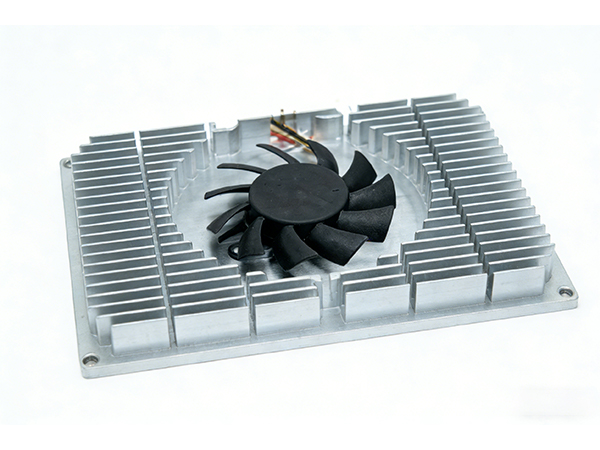
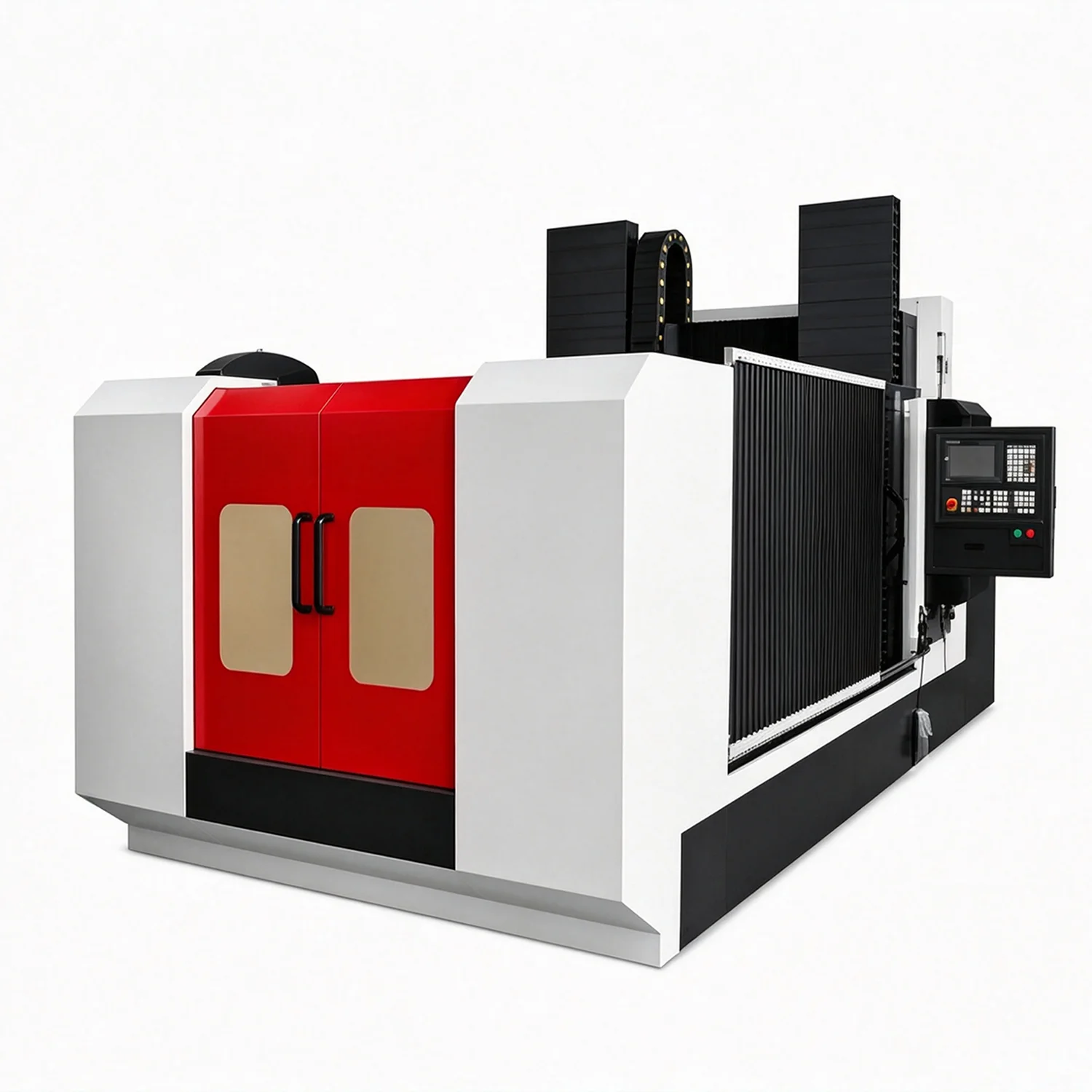
CNC machines are electro-mechanical devices that use computers to control machine tools. CNC stands for Computer Numerical Control and it represents one of the two common methods (3d printing and fused filament fabrication) to generate prototypes. Unlike 3D printing, CNC machines remove material from a block of plastic or metal.
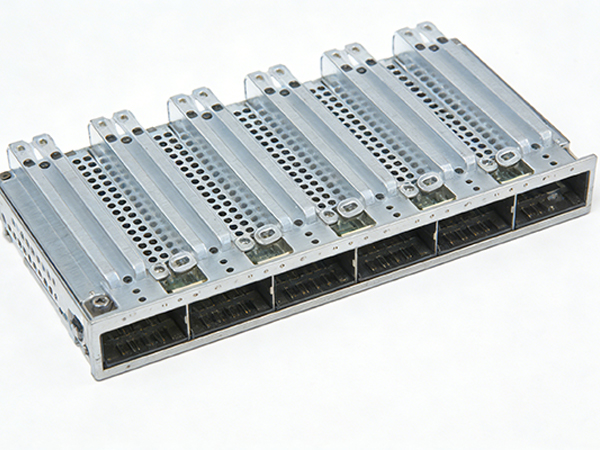
Sheet metalworking includes cutting and forming operations performed on relatively thin sheets of metal. Typical sheet-metal thicknesses are between 0.4 mm (1/64 in) and 6 mm (1/4 in). The sheet or plate stock used in sheet metalworking is produced by flat rolling. Sheet-metal processing is usually performed at room temperature (cold working).

Injection molding is a process in which a polymer is heated to a highly plastic state and forced to flow under high pressure into a mold cavity, where it solidifies. The molded part, called a molding, is then removed from the cavity. The process produces discrete components that are almost always in a net shape. The production cycle time is typically in the range of 10 to 30 seconds, although cycles of 1 minute or longer are not uncommon for large parts.
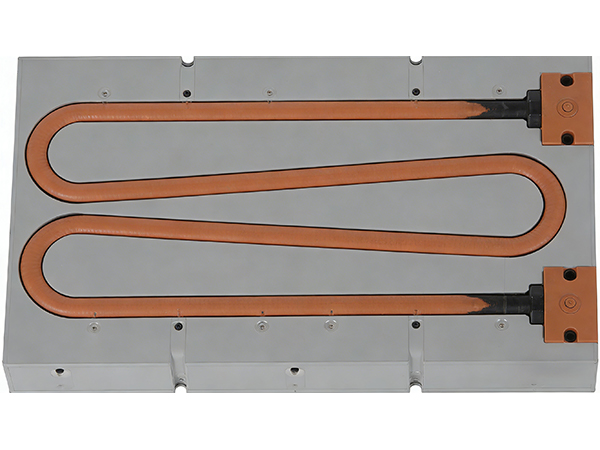
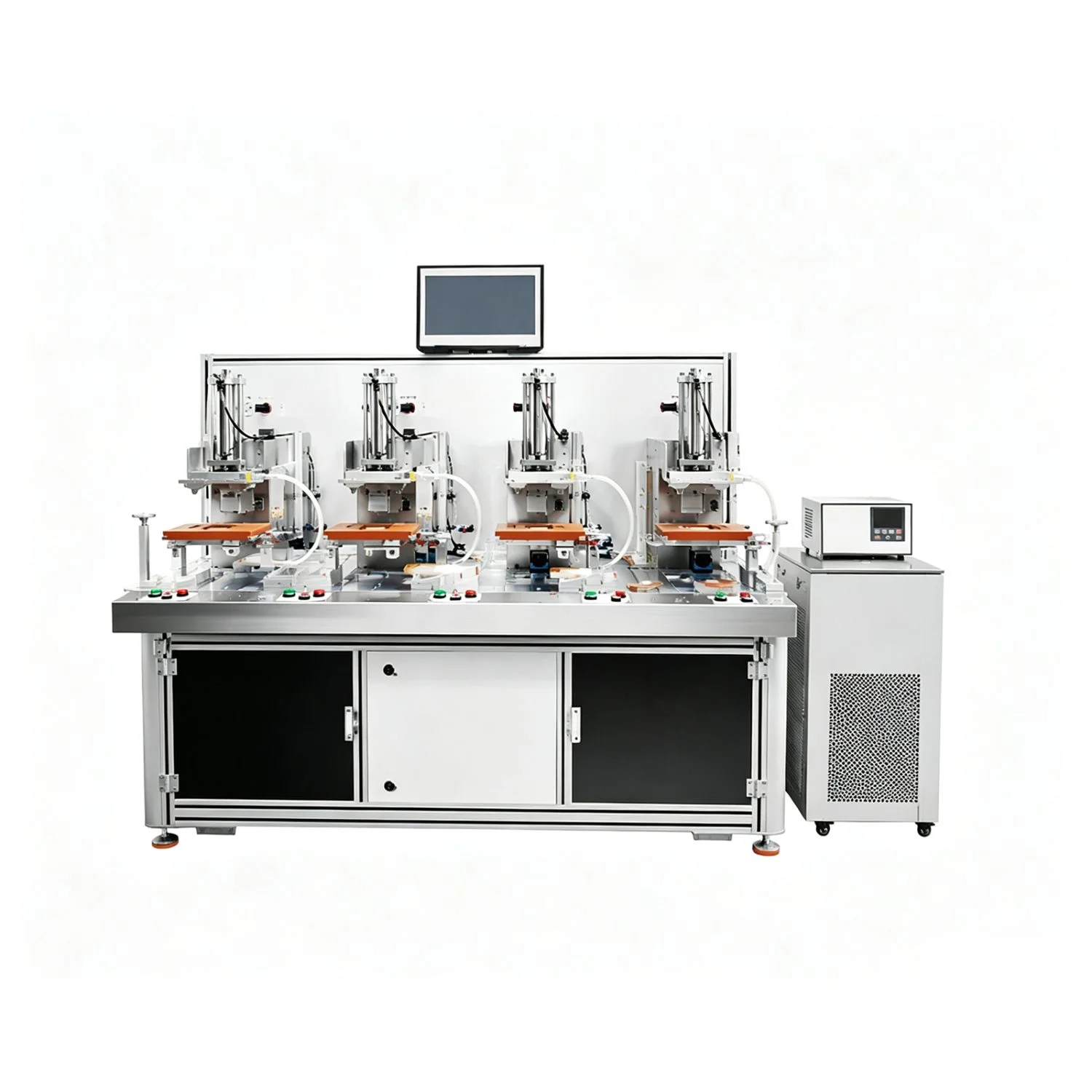
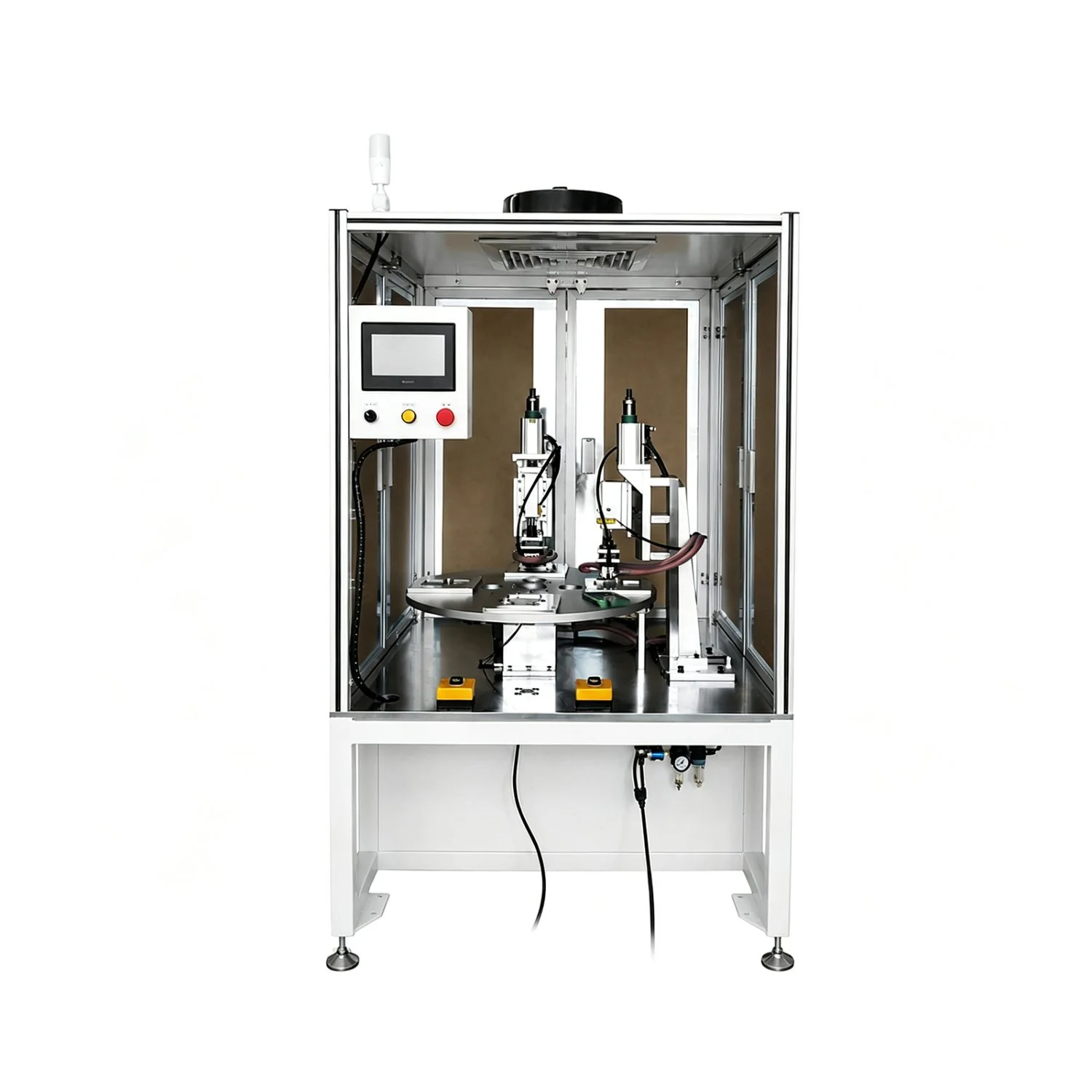
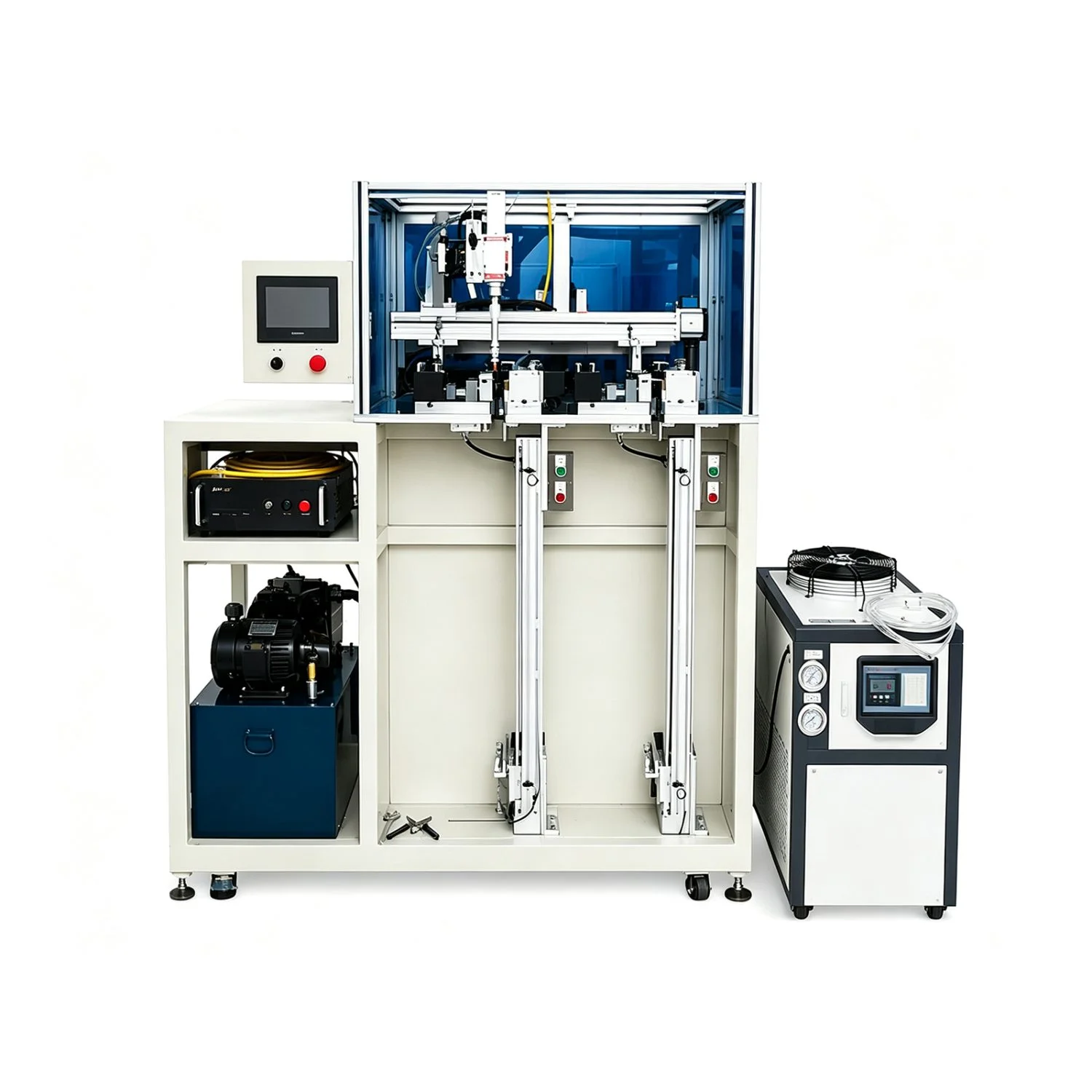
Friction stir welding (FSW) is a solid-state joining process that uses a non-consumable tool to join two facing workpieces without melting the material. The process derives its name from this stirring or mixing action. The rotating tool is stepped, consisting of a cylindrical shoulder and a smaller probe projecting beneath it. The RPM of string head is usually between 600 to 1,800 RPM, and different string heads will be used for different welding materials.
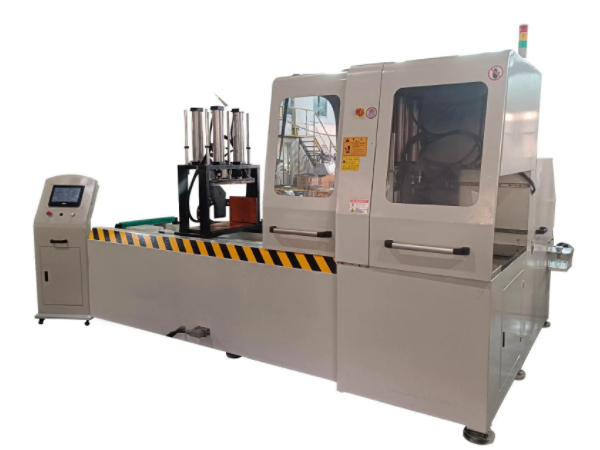
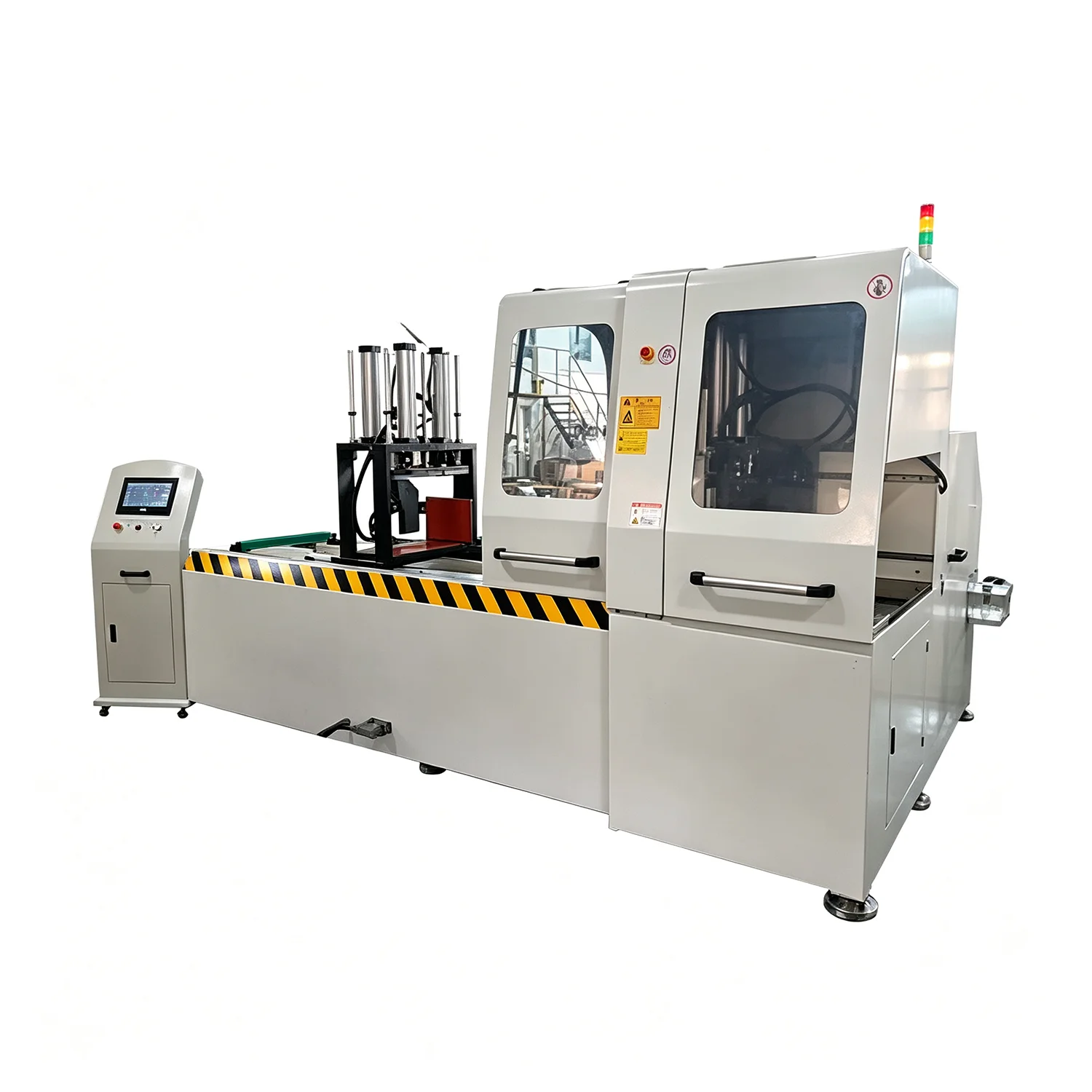
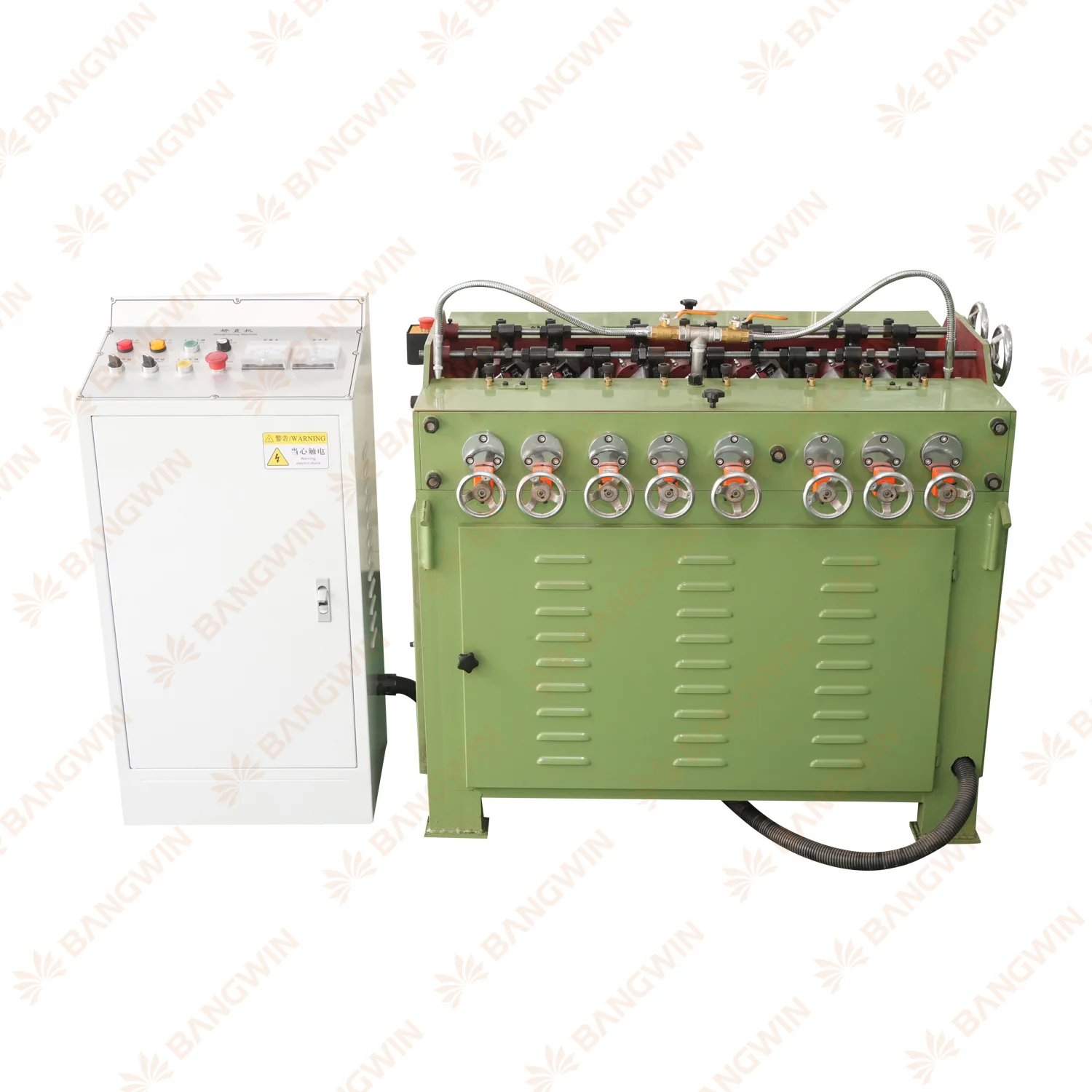
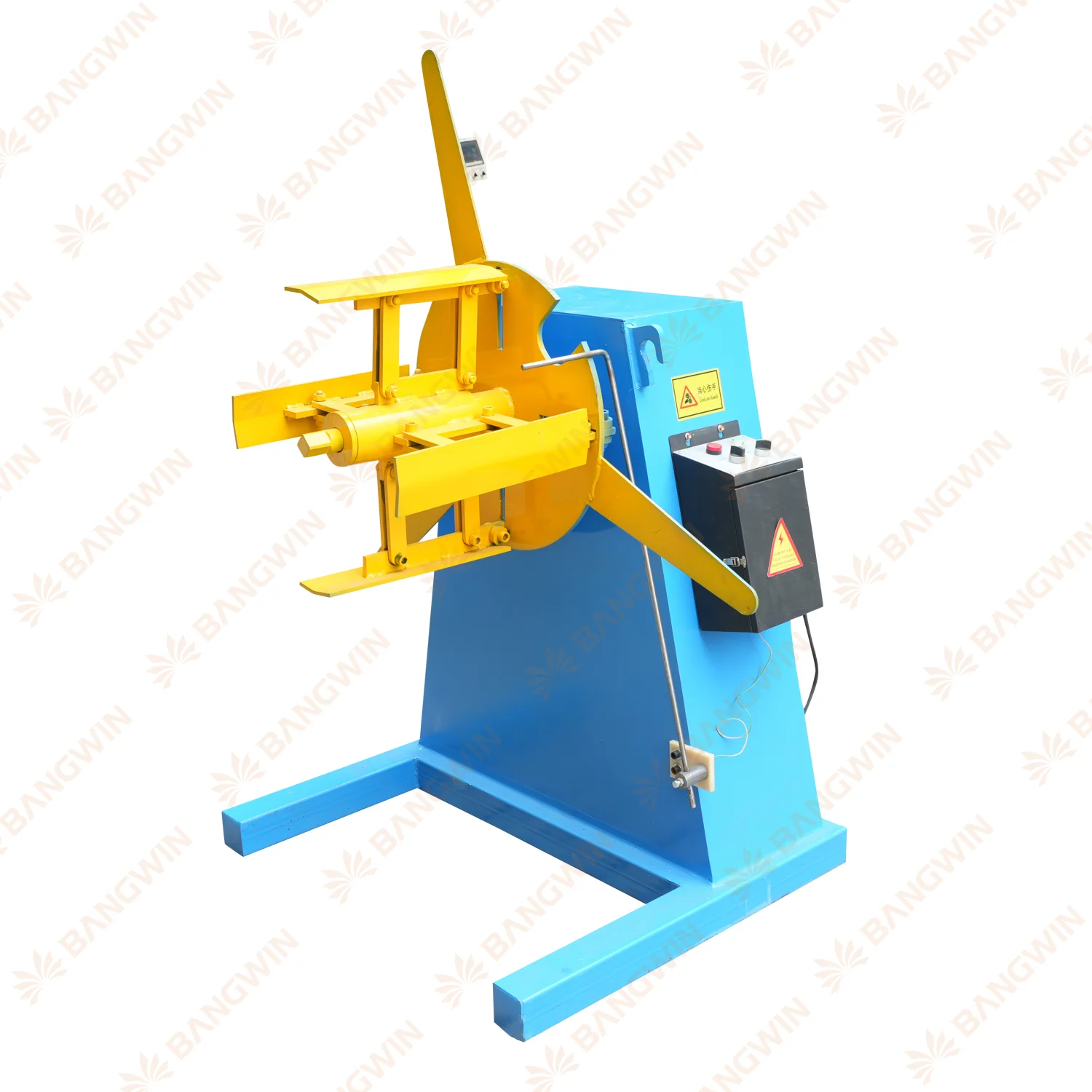
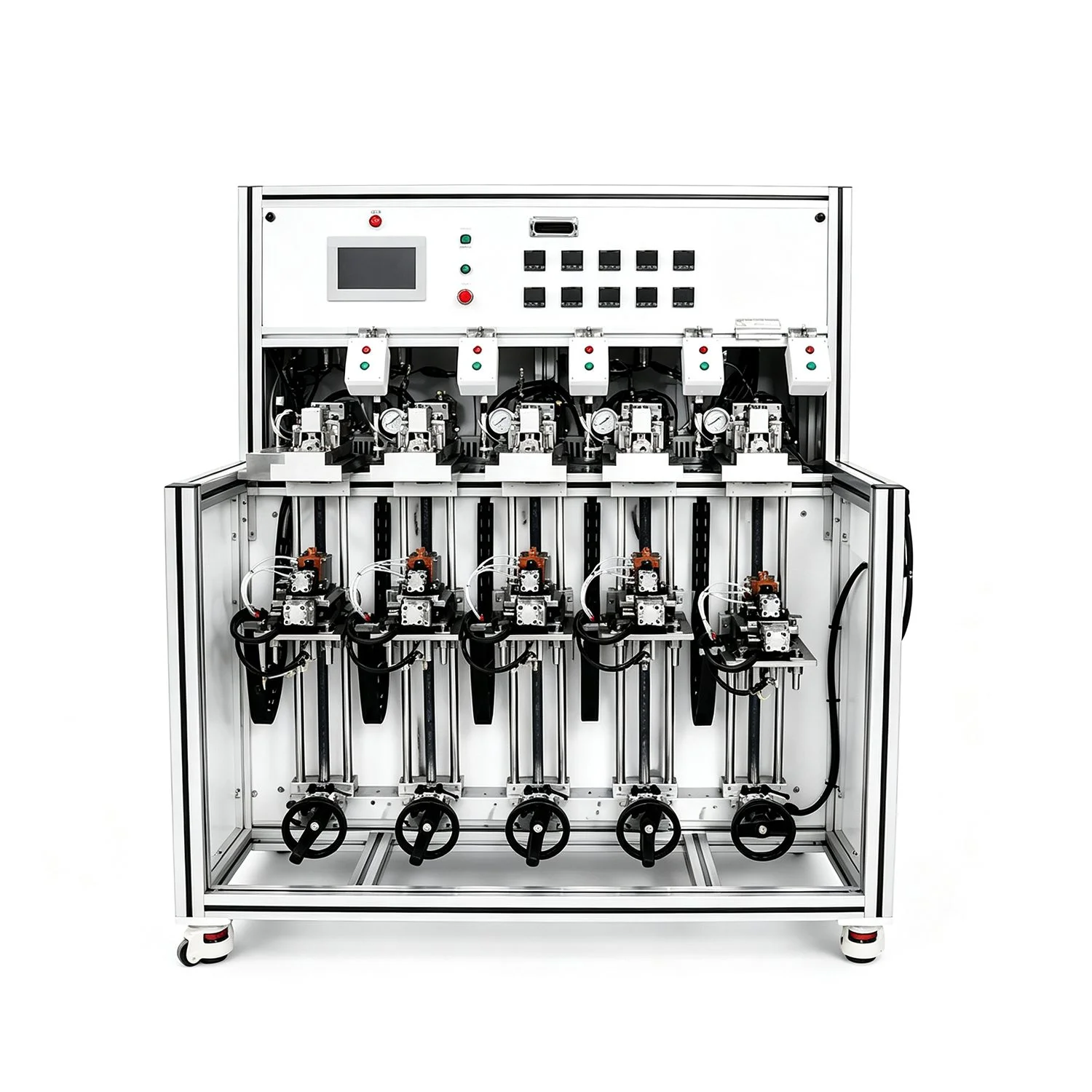
Aluminum extrusion cutting machine
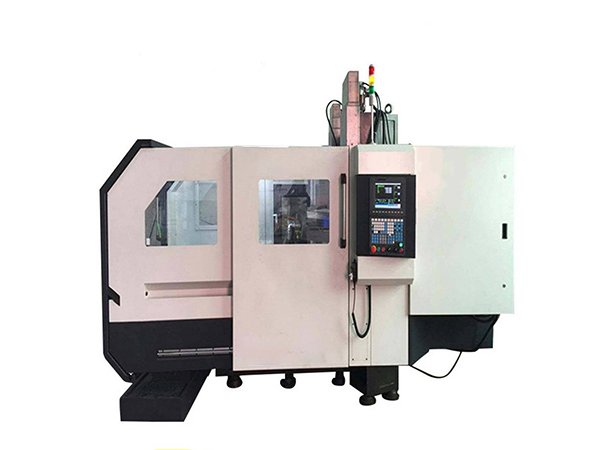
skiving fin machine
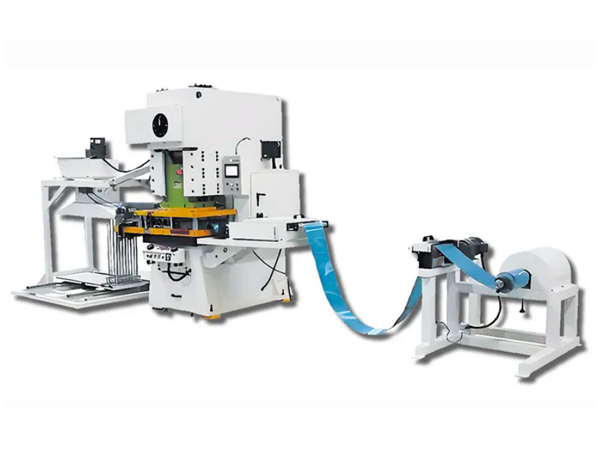
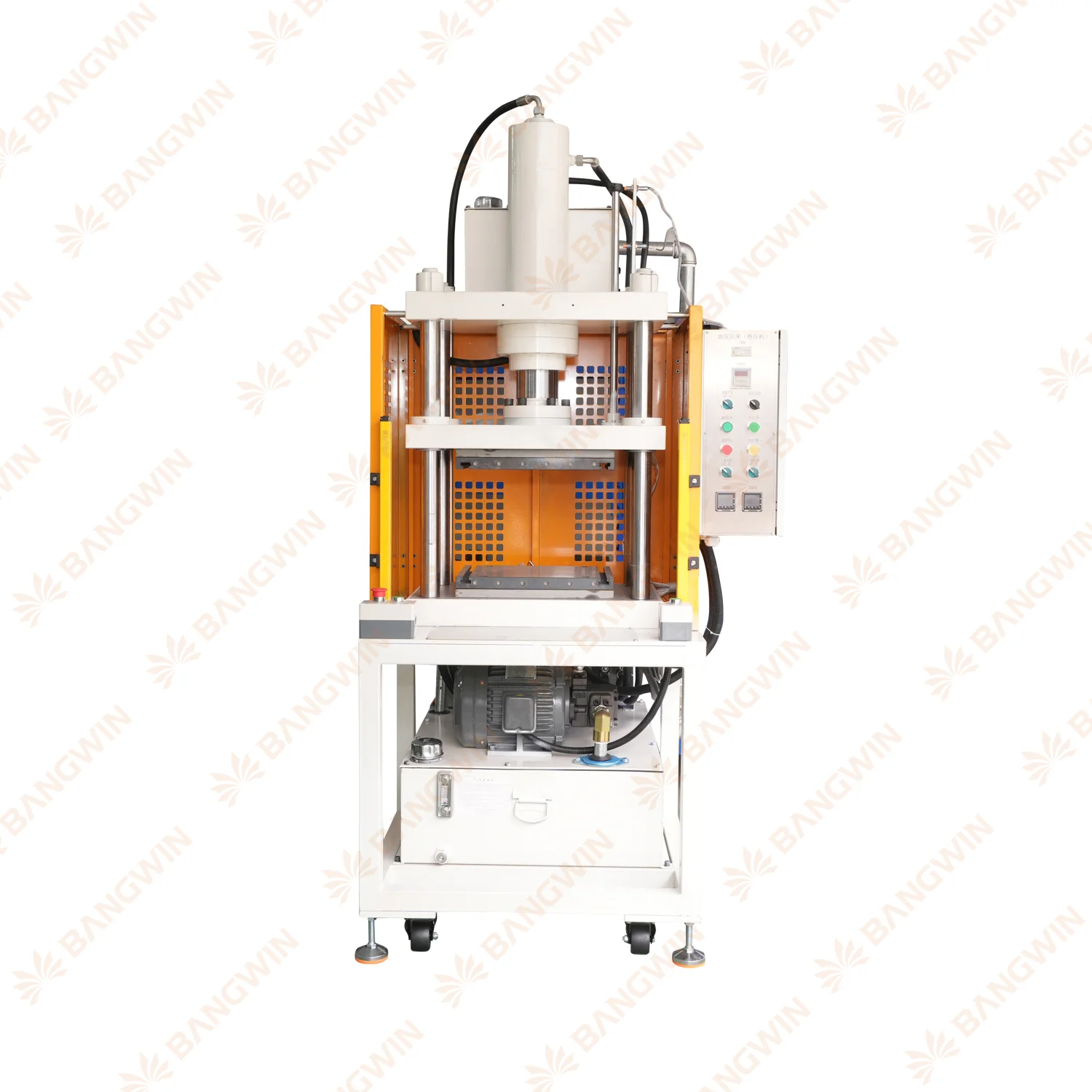
stamping fin press
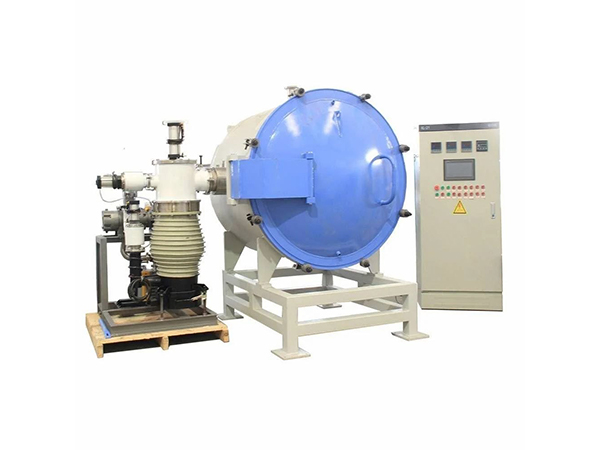
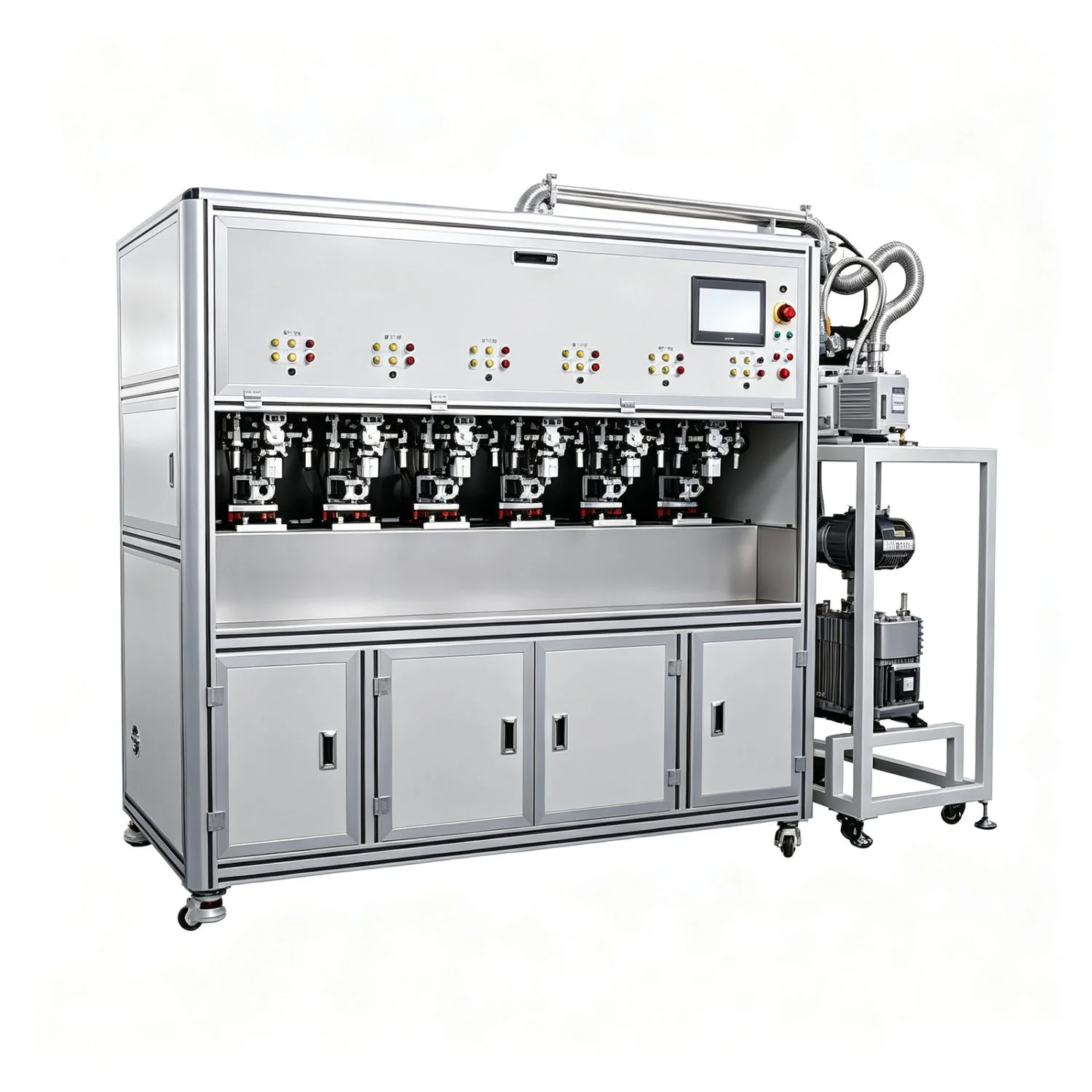
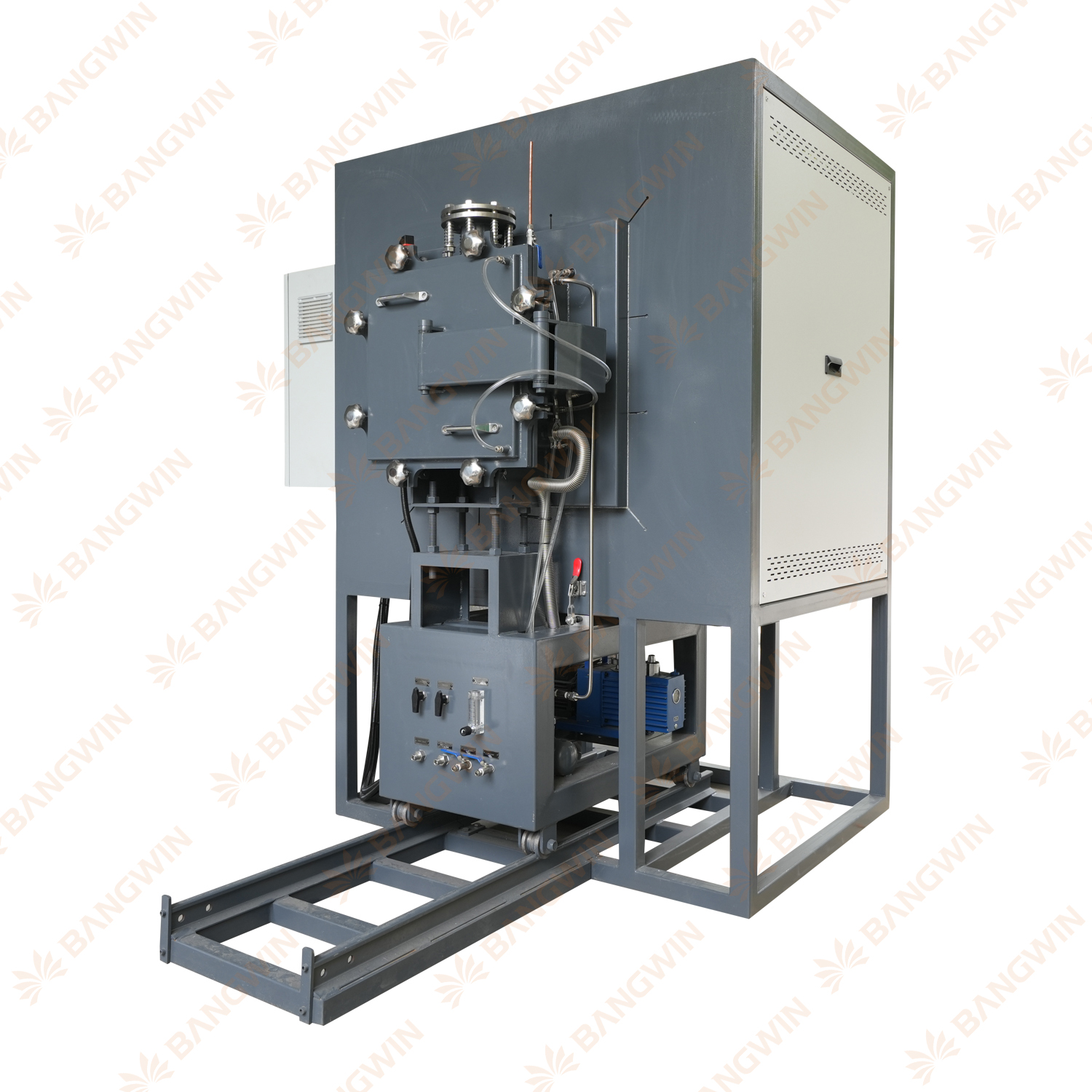
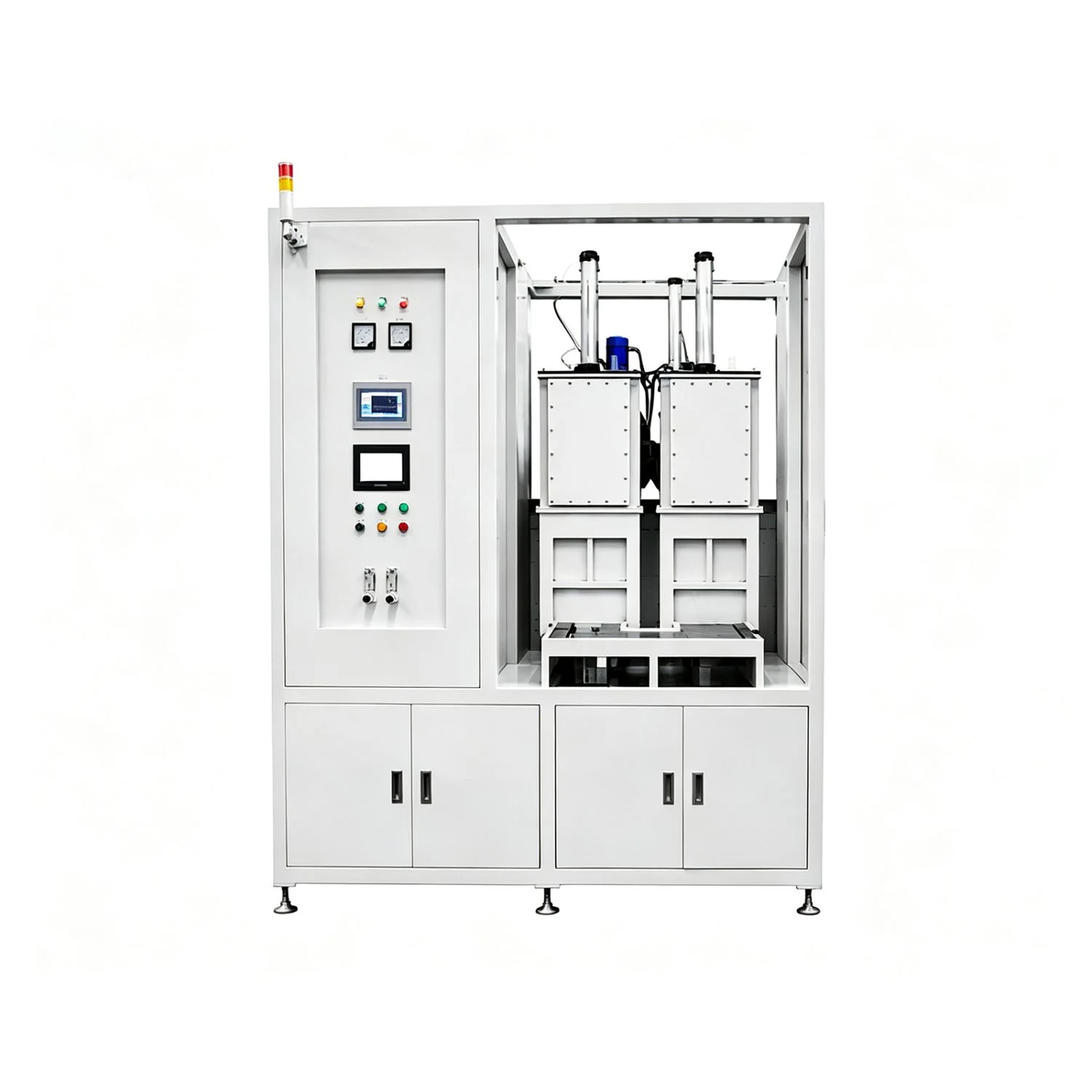
vacuum brazing furnace
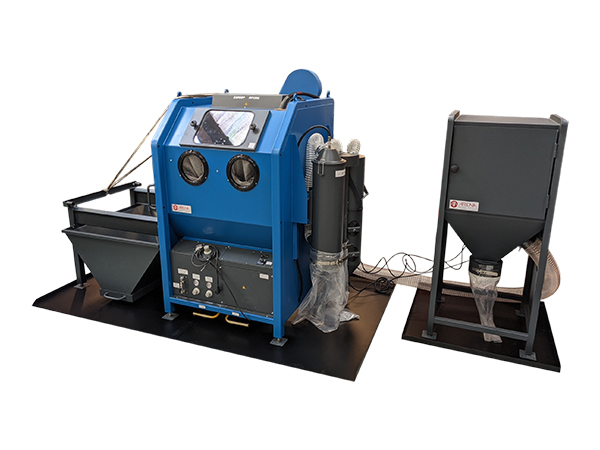
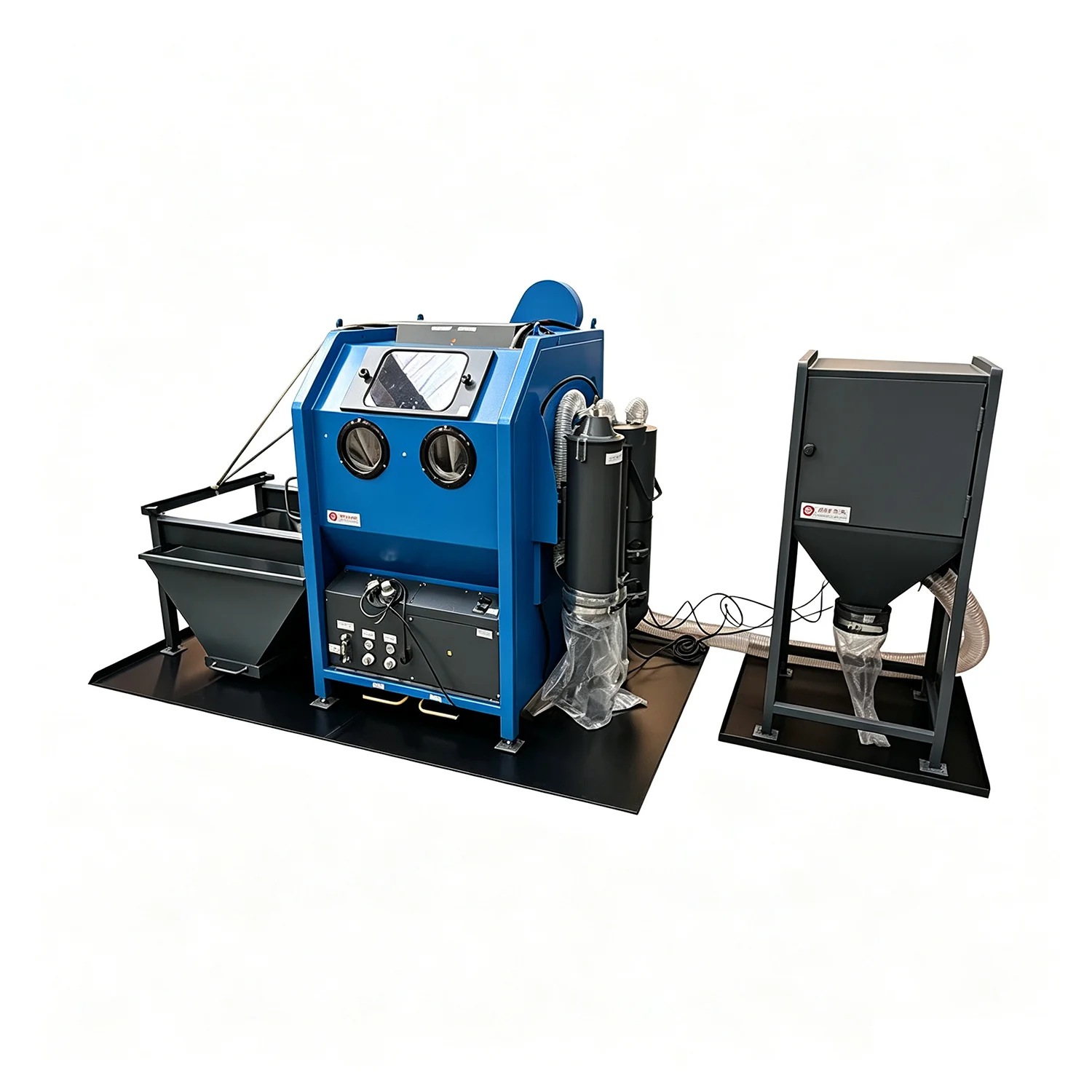
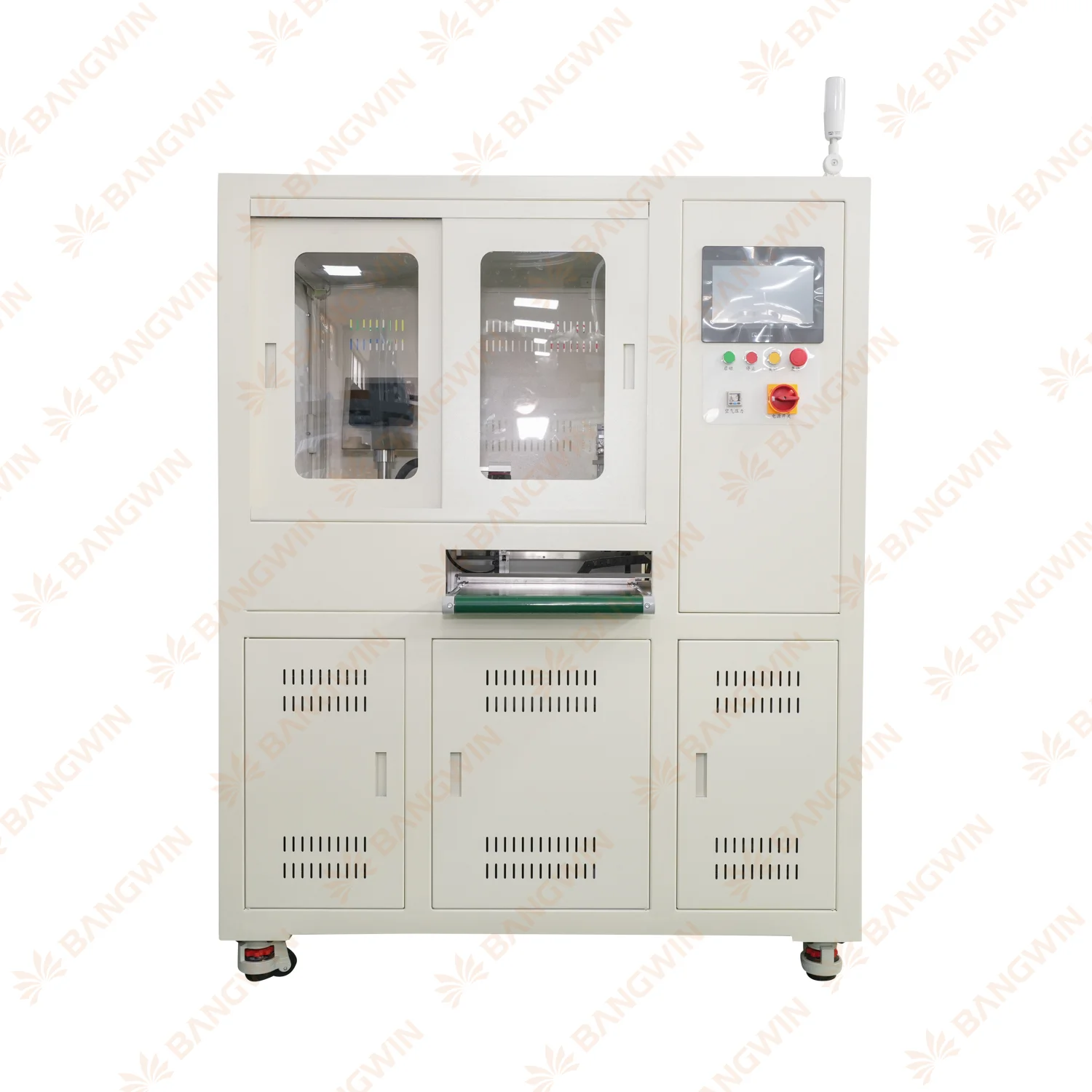
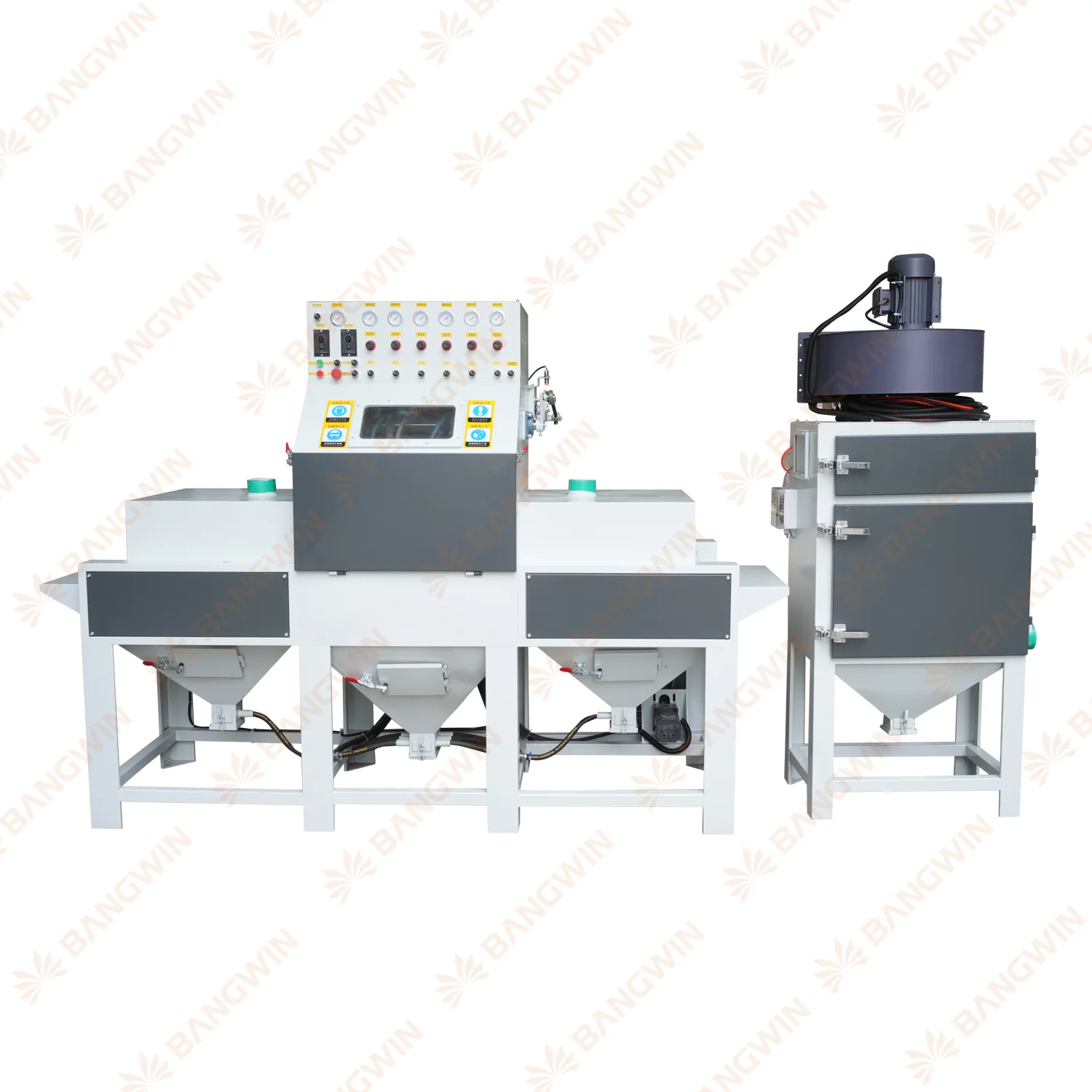
sandblasting machine

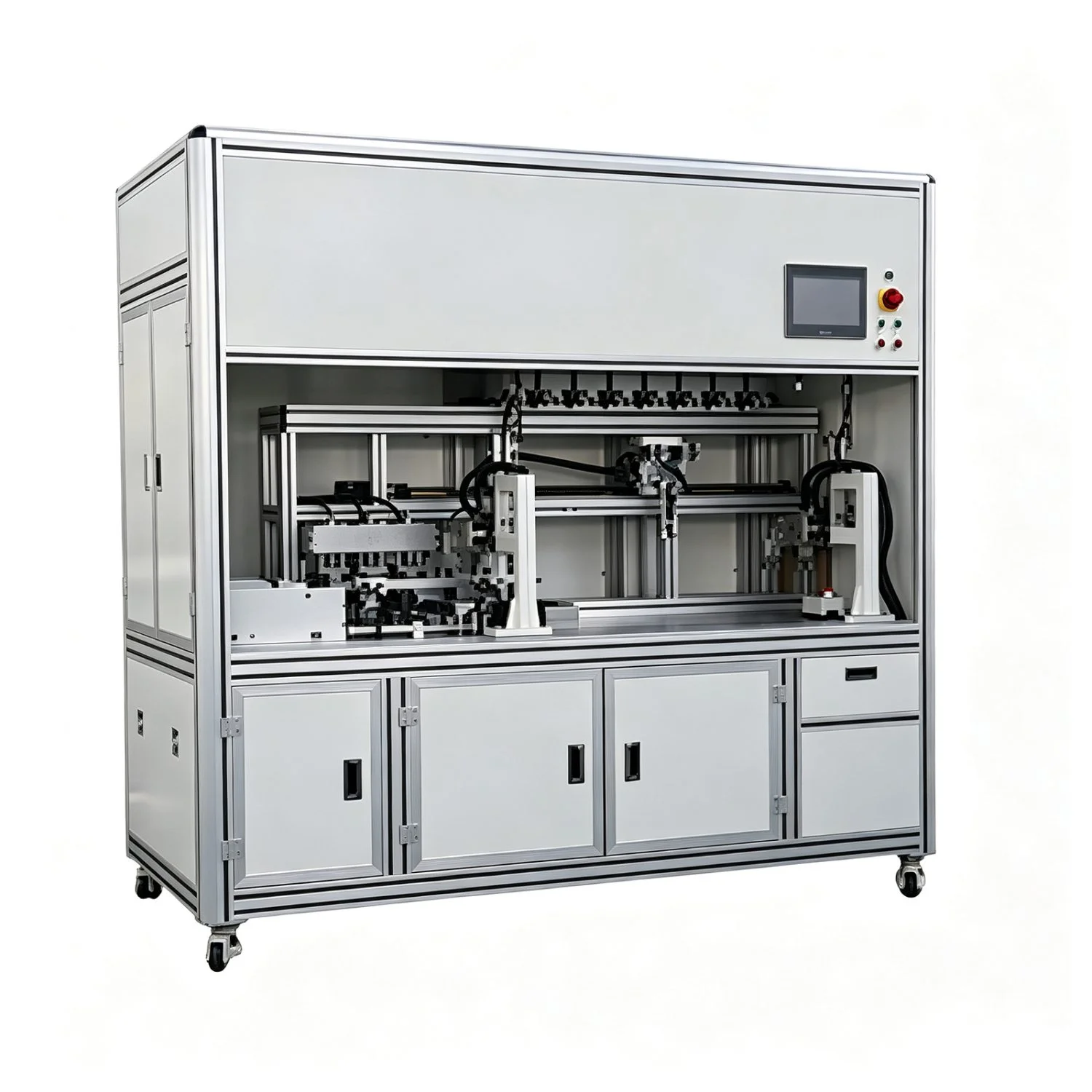
heatsink module assembly line