1. Introduction
Electronic devices run hot these days. As a result, engineers need to implement better cooling methods. Vapor chambers allow for extremely effective heat spreading in small packages.
With processors continuing to get more powerful, traditional heatsinks aren’t spreading heat effectively. For this reason, companies are beginning to build vapor chambers into their high-end systems.
Bangwin Machine offers machines for producing vapor chambers and making thermal components. Visit https://thermalmachinery.com/ for comprehensive solutions. .
To understand related cooling technologies, you may also explore:

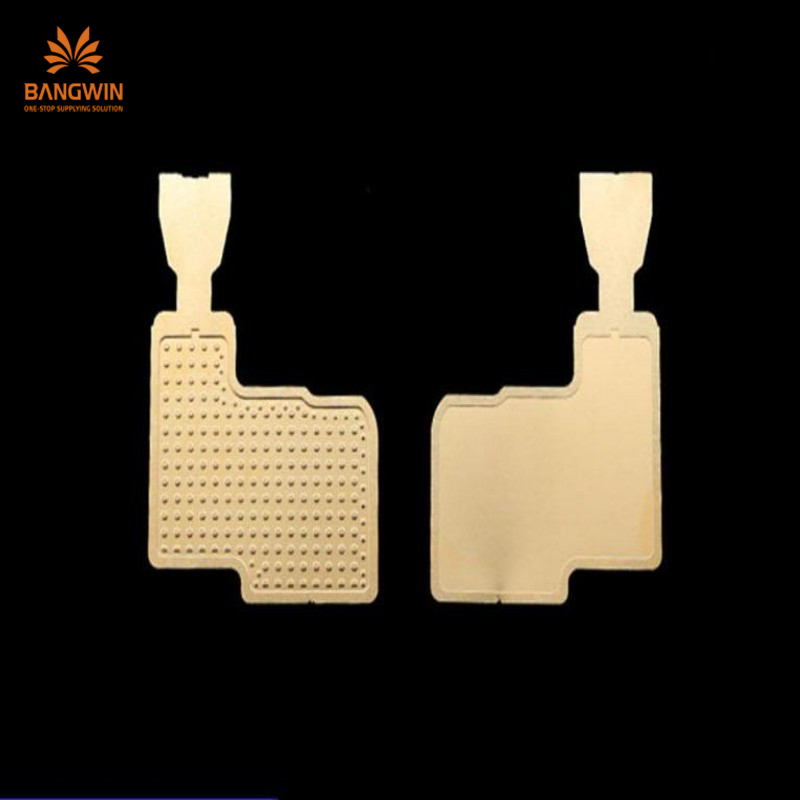
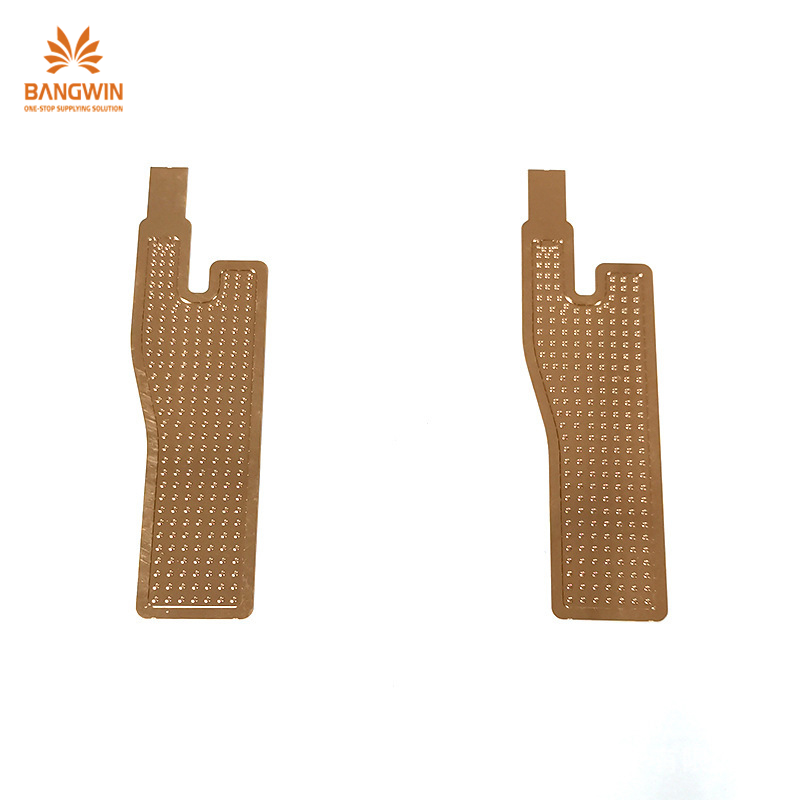
2. What Is a Vapor Chamber
Essentially, a vapor chamber is a flat version of a heat pipe. Their purpose is to spread heat in an even manner across a surface. They transport heat by taking advantage of phase-change heat transfer.
Heat enters the vapor chamber through the copper base initially. Liquid within then absorbs heat and changes to vapor. Vapor will then travel to all areas within the sealed container.
Condensation will occur when reaching cooler areas of the chamber. Lastly, the wick will transport liquid back to the heat source.
This process repeats itself allowing the device to spread heat quickly and effectively.
Learn more about thermal engineering here from ASHRAE.
3. How Vapor Chambers Work
- Think of a vapor chamber as going through a mini thermodynamic cycle.
- Heat is applied to what is called the evaporator region. A working fluid inside of the vapor chamber absorbs heat and vaporizes.
- The vapor will then travel to all areas of the vapor chamber. Heat is spread evenly as the vapor zips around the chamber.
- The vapor will then condense on cold areas of the chamber. Latent heat will then be released to these cool spots.
- Finally, the wick will transport the liquid back to the heat source using capillary action. No pumps are required for this cycle to occur.
- Read more about heat transfer engineering here from IEEE.
4. Main Parts of Vapor Chamber
Vapor chamber consists of several important parts listed below.
- Copper Plate
The shell material is copper plate. Copper helps with thermal conductivity.
- Capillary Wick
Capillary wick allows liquid transportation back via capillary force. Commonly, wick is made from sintered powder or mesh.
- Liquid
Fill liquid typically uses deionized water. But other liquids can fill for special application purpose.
- Vacuum Condition
Vapor chamber is always in vacuum environment. So manufacturers evacuate the internal air.
Precision matters in vapor chamber as each component plays a vital role in performance.
5. Vapor Chamber Production Process
Below are several general steps to produce vapor chamber.
- Manufacturers start with cutting copper plates using cutting machines. Then cleaning equipment cleans off the surface impurities.
- Once plates are clean, attached wick material on inner surfaces. Followed by sintering furnace to sinter the porous structure.
- Afterward, diffusion bonding or welding machine weld upper and lower plates together. Next, vacuum machine creates vacuum inside of chamber.
- Also, infusion machine injects working fluid into chamber. Last but not least, laser welding machine seal edge of plates.
- Equipment provider like Bangwin Machine provides machines to test leakproof and thermal test. Please visit https://thermalmachinery.com/ to see our production solutions.
6. Benefits of Vapor Chamber
The vapor chamber presents numerous benefits over thermal management.
It allows for uniform heating across expansive areas. Thermal resistance between heat sources decrease.
Additionally, vapor chambers allow electronics to remain compact. This means you can get more power in a smaller space.
Since there is no pump the system will last longer. Maintaining reliability over its lifespan.
Uniform heat allows for maximum usage and stability. Which is why many industries use vapor chambers.
7. Electronic Cooling Opportunities
Vapor chambers can be used in many applications:
- Notebook computers
- Servers
- GPU’s
- 5G Base Stations
- EV Chargers
- LED Arrays
For instance, graphics processing units create massive amounts of heat. Vapor chambers spread the heat prior to heatsinks.
Electric vehicle power electronics also benefit from uniform heat distribution.
International Energy Agency conducts research on energy and cooling worldwide.
8. Difference Between Vapor Chamber and Heat Pipe
Heat pipes and vapor chambers both use phase-change heat transfer, but have different designs.
Heat pipes conduct heat through a tube-like design. Vapor chambers diffuse heat across a planar surface.
The widespread surface area of vapor chambers allows for use on processors/GPUs. Heat pipes are ideal when needing to move heat in a certain direction.
Modules use both heat pipes and vapor chambers to ensure even distribution of heat.
9. Reasons Why Customers Pick Bangwin Machine
Bangwin Machine supplies machinery for manufacturing thermal components. Bangwin creates fully integrated production lines customized for vapor chambers.
In addition, Bangwin Machine specializes in turnkey production lines. Our customers not only get layout and installed machinery. They also receive technical training to run their line.
Since each system is customized, our engineers will design a setup to meet your desired capacity.
Check out our full selection of thermal machinery at https://thermalmachinery.com/
Bangwin Machine also offers:
- Heat pipe production lines
- Heatsink production lines
- Thermal module assembly lines
Customers have the ability to source all of their cooling production needs from one vendor.
10. FAQ
Q:What does a vapor chamber do?
A vapor chamber spreads heat across an area. As a result, it enhances thermal management.
Q:What are vapor chambers made of?
The majority of vapor chambers are made from copper due to its thermal conductivity.
Q:How effective are vapor chambers?
Vapor chambers have extremely low thermal resistance. As a result, they can handle large heat loads.
Q: Can you use vapor chambers instead of heat pipes?
No, but you can use them together to increase your cooling capability.
Q: Where can I find vapor chamber production machines?
At Bangwin Machine! Check out our professional vapor chamber production equipment at https://thermalmachinery.com/
11. Conclusion
Heat management is important for today’s technology. Thermal management engineers should utilize the best technology to cool their products.
Vapor chambers allow for better heat spreading, small form factors, and dependable technology. As electronic devices continue to become more powerful, technologies like this will become more in-demand.
At Bangwin Machine we offer professional vapor chamber production machines as well as other thermal manufacturing solutions. Visit https: //thermalmachinery.com/ to learn more about our production equipment.
