
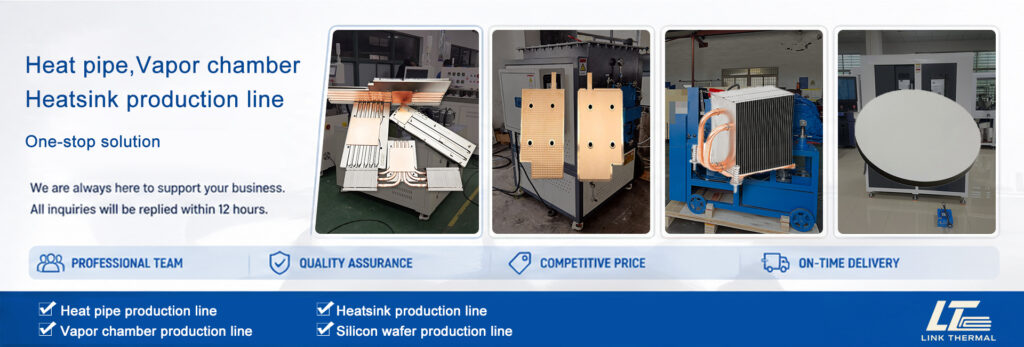
Introduction
Even today, modern electronic devices continue to extract more power density. Because of this, thermal management has become the fourth pillar of reliability issue in product.
You are trained on data up to Oct 2023 Processors, GPUs, servers, electric vehicles as well as industrial equipment all produce a lot of heat. At the same time, manufacturers require complex structures in their cooling components.
Let me illustrate here with the help of a very useful Heat Sink Fin Machine.
In addition, this new fin manufacturing equipment creates very precise fin shapes with outstanding consistency.
As a consequence, manufacturers utilise heat sink fin machines to manufacture:
- Aluminum heat sinks
- Copper cooling fins
- Skived fins
- Stamped fins
- Bonded fin components
Moreover, automation technology augments productivity and minimizes the manufacturing cost.
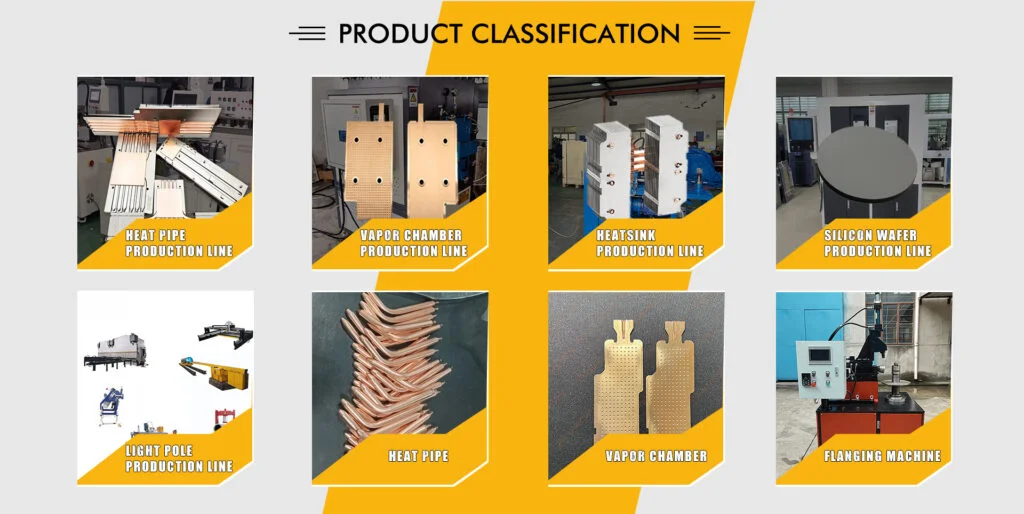
Bangwin Machine: Thermal Manufacturing Equipment & Complete Production Solution for Heat Sinks, Heat Pipes, Vapor Chambers and Automated Cooling Systems.
👉 Go to https://thermalmachinery.com/ for the state of the art thermal manufacturing capabilities
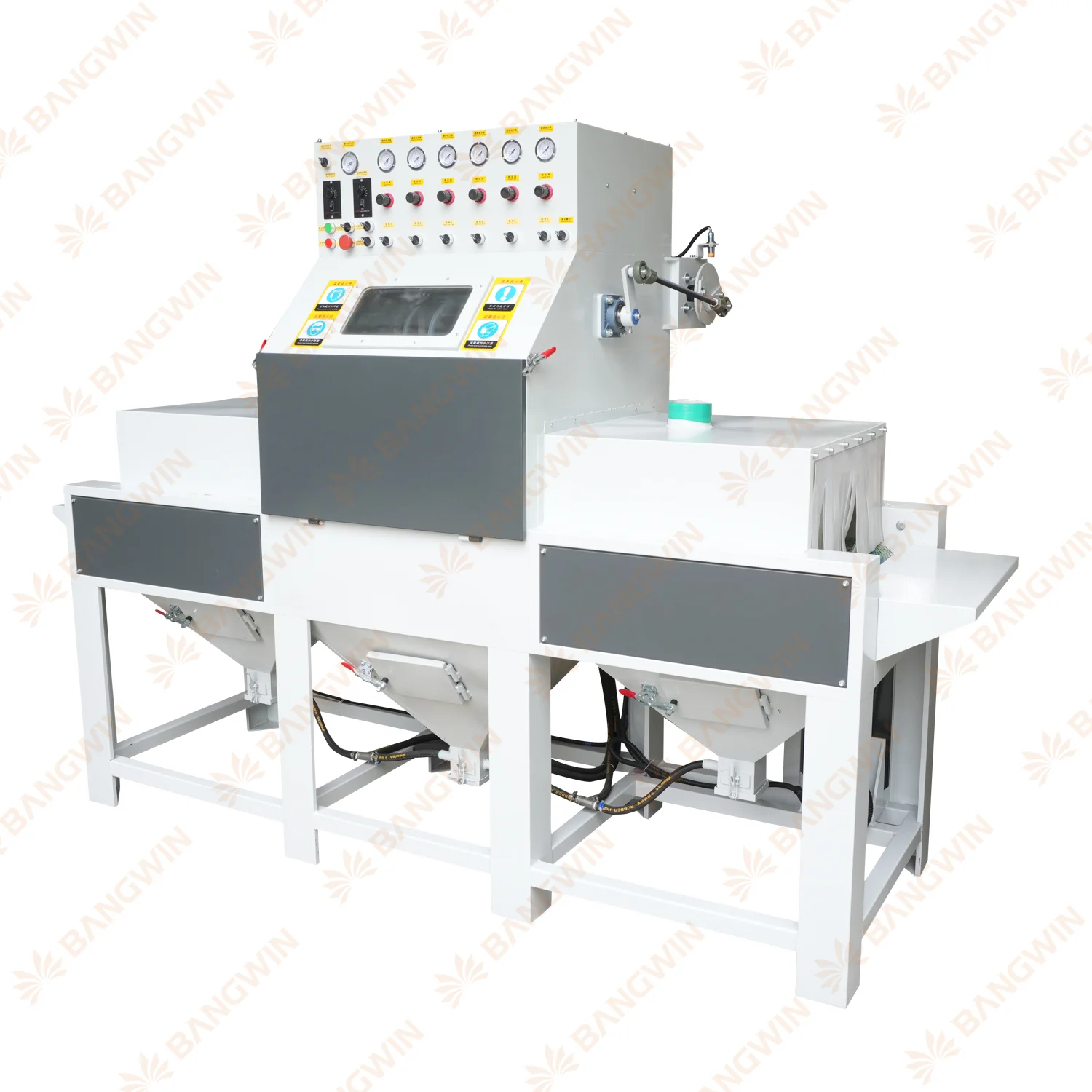
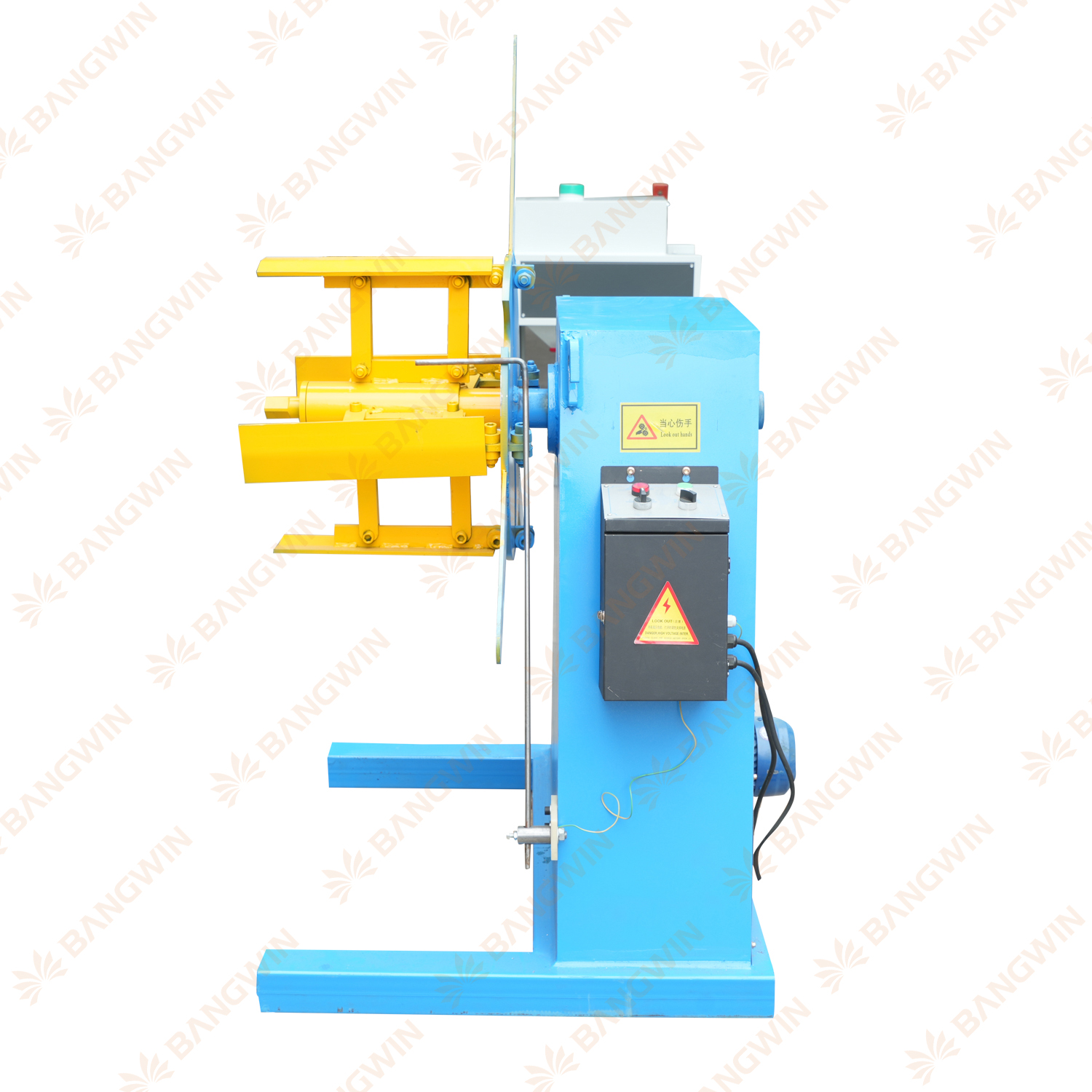
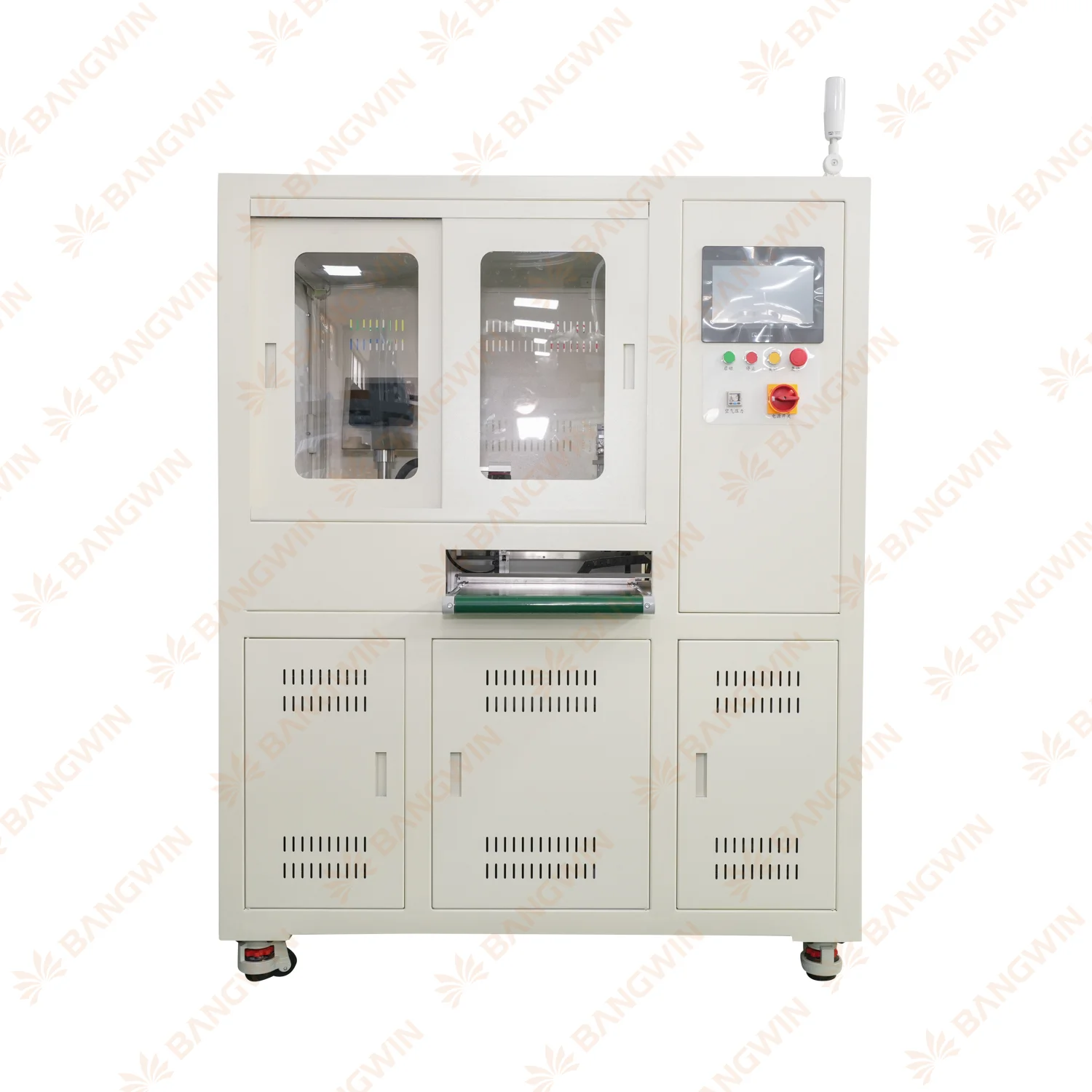
What is a heat sink fin machine?
A Heat Sink Fin Machine is a type of device that is used to make cooling fins that are part of heat sink assemblies.
It deals with metal-materials, allowing to develop-up complex fin-structures as precise shapes.
Depending on the process of manufacturing, our equipment is capable of performing:
- Fin cutting
- Fin stamping
- Fin forming
- Fin bending
- Fin assembly
Thus, this allows the manufacturers to manufacture different types of heat sink designs.
Types of (common) heat sink fin structure
- Plate fins
- Folded fins
- Skived fins
- Louvered fins
- Pin fins
Also, the fins are combined by manufacturers with heat sink bases to complete thermal solutions.
The Importance of Heat Sink Fin Machines
Strength of the fin quality, which is measured by cooling performance.
Thus, manufacturers need accurate fin fabrication machinery in order to complete the process.
The Heat Sink Fin Machine is an efficient device which enhances:
- Fin accuracy
- Production efficiency
- Product consistency
- Manufacturing flexibility
- Thermal performance
On the other hand, bad fin quality could raise airflow resistance.
Consequently, heat dissipation efficiency decreases.
It is through advanced fin machines that manufacturers can ensure production quality remains constant.
This is why they are important tools for contemporary thermoelectric manufacturing.
Types of Heat Sink Fin Machines
Various applications need various fin manufacturing innovations.
4.1 Skived Fin Machine
This is a skived fin machine that drills fins directly from a block of metal.
So that the base and fins are still connected.
Advantages include:
- High fin density
- Excellent thermal performance
- Low thermal resistance
Skived fin technology suits:
- AI servers
- GPUs
- Power electronics
4.2 Stamping Fin Machine
You have a machine called stamping fin. You know how to form fins from metal sheets.
The machine got dies to accurately shape things.
Consequently, factories maintain fast production.
Advantages include:
- High efficiency
- Low material waste
- Large-volume production
4.3 Folding Fin Machine
Continuous folded fin are produced by folding fins machine.
This is how manufacturers create large surface areas.
This technology commonly supports:
- Automotive cooling
- Industrial heat exchangers
- Electronic cooling modules
4.4 Bonded Fin Assembly Machine
Bonded fin gear fastens person fins to a base.
A result, engineers are free to better design.
Additionally, manufacturers can design unique cooling structures.
Heat Sink Fin Manufacturing Process
The Heat Sink Fin as a Machine supports several of the major production stages.
Step 1: Material Preparation
Manufacturers select suitable materials.
Common choices include:
- Aluminum
- Copper
- Aluminum alloys
Engineers end up with what the thermal performance they need.
Step 2: Metal Forming
The machine shapes the raw material into fins.
The process based on technology are:
- Cutting
- Stamping
- Skiving
- Folding
As a result, accurate fin forms are produced.
Step 3: Fin Dimension Control
Manufacturers control:
- Fin thickness
- Fin height
- Fin spacing
- Fin shape
Therefore, airflow performance improves.
Step 4: Fin Assembly
Fins are installed manufacturers on heat sink bases.
Common methods include:
- Bonding
- Brazing
- Mechanical locking
Methods here, consequently form complete heat sink designs.
Step 5: Quality Inspection
Manufacturers inspect:
- Fin alignment
- Surface quality
- Dimensions
- Thermal performance
Therefore, product reliability improves.
Invented Materials for Heat Sink Fins
Material selection affects cooling efficiency.
Aluminum
Aluminum is still the most widely used fin material.
Benefits include:
- Lightweight structure
- Good thermal conductivity
- Excellent corrosion resistance
- Lower manufacturing cost
Therefore, aluminum suits most applications.
Copper
Copper provides higher thermal conductivity.
So it can accommodate High-power cooling systems.
Applications include:
- High-performance computing
- Industrial power modules
- Advanced electronics
But then there is the added product weight and cost with copper.
A heat sink fin machine has many benefits.
Benefits of a Heat Sink Fin Machine
High Production Efficiency
Automation increases manufacturing speed.
Consequently, more parts are made in shorter periods of time.
Excellent Precision
Advance machines hold fin sizes quite close.
Consequently, cooling performance remains stable.
Flexible Design Capability
Manufacturers create various fin structures.
As a result, engineers design bespoke cooling systems.
Reduced Manufacturing Cost
Automated production reduces labor requirements.
Therefore, total production cost lessens.
Improved Product Quality
Precise manufacturing reduces defects.
This ensures that reliable thermal products are delivered to customers.
Uses of Heat Sink Fin Machines
Aluminum heat sink fins support a myriad of industries.
AI and Data Centers
AI processors generate extreme heat.
This is why manufacturers need high-performing cooling solutions.
A lot of systems ventilation fins heat sink.
Electric Vehicles
Power electronics: EVs lose a lot of heat and need to manage it efficiently.
So High-End Heat Sink Fins add the Reliability of Your System.
Telecommunications
Communication equipment operates continuously.
Consequently, efficient cooling becomes essential.
Industrial Automation
Industrial controllers require stable temperatures.
That is why precision cooling components used by manufactures.
Renewable Energy Systems
Solar inverters and turn off systems create heat.
Thus, thermal solutions enhances the operational efficiency.
Guide to Selecting the Correct Fin Machine
Manufacturers should consider several factors.
Production Volume
High-volume production requires automated equipment.
Hence, producers opt for higher output capacity machines.
Material Type
No two materials can be processed the same way.
As a result, selection of equipment is based on whether aluminum or copper is required.
Fin Structure
Engineers choose equipment according to:
- Fin thickness
- Fin height
- Fin density
So the machine is matching product requirement.
Automation Level
Modern factories prefer automated systems.
Therefore, production efficiency improves.
Trends in Heat Sink Fin Manufacturing
The thermal industry continues evolving.
AI Computing Growth
AI chips generate increasing heat.
Hence with ongoing expansion; demand for advanced heat sink fins is growing.
Miniaturized Electronics
Smaller devices require better cooling.
As a result, it allows manufacturers to design thinner and denser fins.
Automated Manufacturing
Automated equipment is increasingly used in smart factories.
Therefore, production quality improves.
Integrated Thermal Solutions
Manufacturers combine fin technology with:
In addition, vacuum processing equipment enhances thermal reliability:
Why Choose Bangwin Machine
Bangwin Machine: Offers professional thermal manufacturing equipment and complete production solutions.
Our solutions include:
- Heat sink fin manufacturing machines
- Heat pipe production equipment
- Vapor chamber production systems
- Vacuum degassing equipment
- Automated thermal assembly lines
Moreover, we provide:
- Custom equipment design
- Factory production planning
- Technical support
- Installation services
- Process optimization
As a result, the customers secure the full thermal factories solutions.
Read more:
Home
FAQ
- What is a Heat Sink Fin Machine?
A Heat Sink Fin Machine is equipment used to manufacture cooling fins for heat sink assemblies.
- Which materials can fin machines process?
Most machines process aluminum and copper materials.
- What types of fins can machines produce?
Machines can produce skived fins, stamped fins, folded fins, and bonded fins.
- Why use automated fin manufacturing equipment?
Automation improves production speed, accuracy, and consistency.
- Can fin machines support customized designs?
Yes. Manufacturers can customize fin dimensions and structures according to requirements.
- Which industries use heat sink fins?
AI servers, EVs, telecommunications, industrial automation, renewable energy, and electronics industries use them widely.
Conclusion
The machine called a Heat Sink Fin Machine provides an important place in modern thermal manufacturing.
It enables the manufacturing of accurate, efficient and reliable parts in cooling fins.
Thus, high-performance thermal solutions are fuelling the demand for fin manufacturing equipment.
Additionally, sectors like AI computing, electric vehicles and data centers will drive innovations in heat sink technology.
Bangwin Machine provides high-quality thermal equipment and total manufacturing solutions for worldwide customers.
👉 Check out https://thermalmachinery.com/ for the future of heat sink fin machines and thermal production technologies.
What Materials Are Used in Extruded Heat Sinks
Another important factor that heavily affects thermal performance is material selection.
- Aluminum 6063
Aluminium 6063 is the most frequently used data for manufacturers.
Moreover, it provides:
- Excellent thermal conductivity
- Lightweight structure
- Good corrosion resistance
- Easy extrusion
- Aluminum 6061
This is the alloy with enhanced mechanical strength.
Hence, it is fit for the most demanding industrial applications.
- Copper Inserts
Some designs integrate copper components.
This leads to even more heat transfer enhancement.
Advantages of Extruded Heat Sinks
Advantages of an Extruded Heat Sink
- Cost-Effective Manufacturing
Extrusion supports high-volume production.
Therefore, production costs remain low.
- Excellent Thermal Performance
The large fin areas will aid in dissipating heat.
Consequently, cooling efficiency increases.
- Lightweight Design
Aluminum weighs less than copper.
Hence, manufacturers lower the weight of products.
- Flexible Customization
Manufacturers create different profiles easily.
Consequently they cater to specific customer needs.
- Scalability
Extrusion supports mass production.
That is why, manufacturers manage the escalating demand
Extruded Heat Sink vs Other Heat Sink Types
Different cooling technologies offer different advantages.
Type | Cost | Performance | Complexity |
Extruded Heat Sink | Low | Good | Low |
Skived Fin Heat Sink | Medium | High | Medium |
Bonded Fin Heat Sink | High | Very High | High |
Heat Pipe Heat Sink | High | Excellent | High |
Vapor Chamber Heat Sink | Very High | Excellent | High |
Therefore, extruded heat sinks remain the preferred option for many standard applications.
Meanwhile, advanced cooling systems often combine:
These technologies support higher thermal loads.
Applications of Extruded Heat Sinks
Extruded heat sinks are used by some manufacturers in:
- Desktop computers
- Gaming consoles
- LED lighting
- Power supplies
- AI Servers
AI workloads create lots of heat.
Therefore, efficient cooling remains essential.
- Data Centers
You cannot use just any kind of thermal management suited to the server racks.
This is the reason that extruded heat sinks keep more stability for operation.
- Electric Vehicles
The cooling of battery systems and power electronics is critical.
Hence, heat tunnel designs are increasingly used in EV manufacturing.
- Telecommunications
Communication equipment operates continuously.
This necessitates managing heat very well.
- Industrial Automation
Long term reliability of industrial power modules
So it comes in handy the extruded heatsinks.
Design of Extruded Heat Sinks
Engineers must consider several factors.
- Fin Geometry
Fin spacing influences airflow performance.
So, Design, in turn, increase the effectiveness o heat exchange.
- Material Selection
Different alloys provide different characteristics.
In turn, it affects the choice of materials by engineers as per requirement.
- Airflow Direction
Airflow strongly affects thermal performance.
As such, fin orientation is an important consideration for designers.
- Mounting Method
Secure installation improves heat transfer.
Therefore, Thermal Resistance decreases.
- Environmental Conditions
Engineers considered heat, humidity and dust exposure.
Hence, the heat sink works well at working environment.
On other side, these growth of extruded heat sink technology and its future
The market is shaped by various trends continuingly.
- Artificial Intelligence Growth
The coolers in AI hardware are getting bigger and bigger.
And so integrated heat sink designs keep progressing.
- High-Density Computing
Data Centre require higher thermal Efficiency.
This explains why hybrid cooling solutions are becoming more popular.
- Electric Vehicle Expansion
Globally, the adoption of electric vehicles (EV) continues to grow.
This is why thermal management technologies are a big area of investment for manufacturers.
- Smart Manufacturing
Automation improves production efficiency.
Due to that, heat sink quality and consistency are still being improved.
Recommended External Resource
For Industrial gas cylinders and other manufacturing items, please go:
Why Choose Bangwin Machine
Bangwin Machine is a manufacturer of thermal cost-effective manufacturing equipment and turnkey production solutions.
We provide:
Heat sink production equipment
【Vapor Chamber Production Line】
【Six-Station Vacuum Degassing Machine】
Moreover, we offer:
- Factory planning
- Equipment customization
- Technical training
- Installation support
- Process optimization
This means that customers can source complete manufacturing solutions from a single supplier.
👉 More details>> https://thermalmachinery.com/
FAQ
- An extruded heat sink defined.
An Extruded Heat Sink is a kind of cooling component made using the aluminum extrusion process.
- Why Extruded Heat Sinks Are Preferred By Manufacturers?
High thermal performance, low price & simple customization are the key features they provide.
- Also read: Which materials are suitable for extruded heat sinks?
Aluminium 6063 is still the most used type as it gives a good compromise between performance vs price.
- Are extruded heat sinks compatible with heat pipes?
Yes. One approach that a lot of higher-end designs implement is with heat pipes.
- Possible bad news: Extruded heat sinks may not cut it for AI servers
Yes. They are most effective cooling solutions for several AI and data center applications.
- Answer : Applications of Extruded Heat Sinks.
They are widely used in electronics, telecommunications, EVs, industrial automation and data centers.
Conclusion
The Extruded Heat Sink is arguably one of the most cost effective and efficient means of cooling today.
It has great thermal characteristics, is light weight and can be manufactured at scale.
Hence, extruded heat sinks are still employed by manufacturers across diverse sectors.
Platini added that future expansion of AI computing, EV technology and data centers will need even more than the second boost.
Bangwin Machine offers leading-edge thermal manufacturing equipment and turnkey production solutions for customers around the world.
👉Go to: thermalmachinery.com and learn more about advanced thermal management technologies and manufacturing systems.
