
Introduction
Thermal management continues to influence contemporary electronic design. Hence the search for more effective cooling systems never ends for manufacturers.
And processors are progressively being more heat intense. On top of that, every other electronic device out there seems to be getting smaller. As a result, there are fundamental performance limitations that traditional cooling solutions tend to encounter.
A high-performance option is a Skived Fin Heat Sink for applications where there are a couple of kW being dissipated.
Additionallly, skived fin technology produces fins with very high density. This improves cooling tremendously.
Today, skived fin heat sinks are found in AI servers, telecommunications equipment, power electronics, industrial automation systems and electric vehicles.
Moreover, demand keeps increasing while the computing power increases around the globe.
Bangwin Machine — manufactures next-generation thermal manufacturing equipment and production solutions for heat sinks, heat pipes, and vapor chambers.
👉Realising Development Manufacturing at https://thermalmachinery.com/
Introduction to Skived Fin Heat Sink
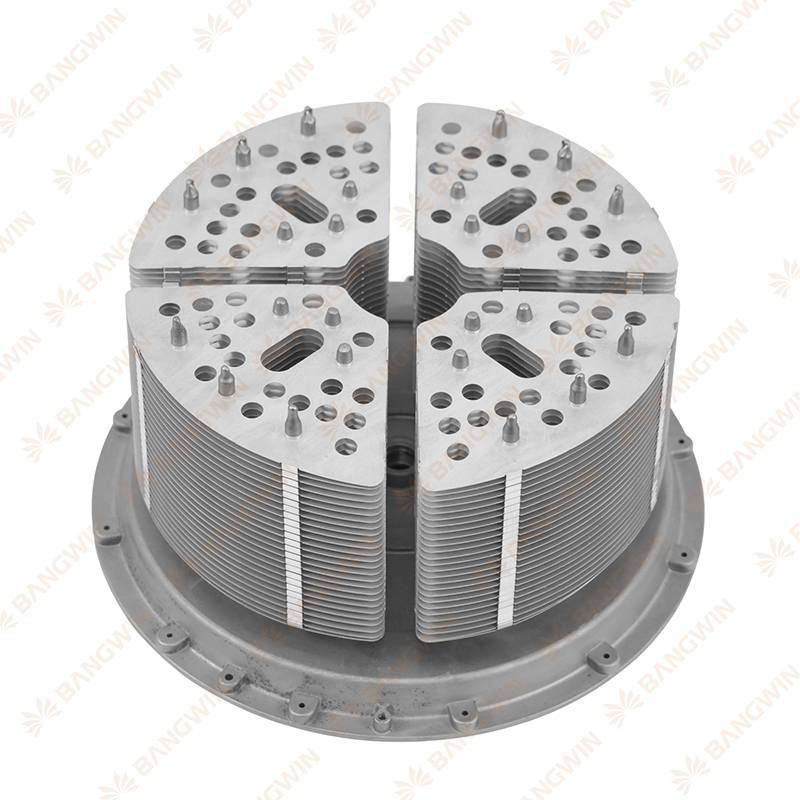
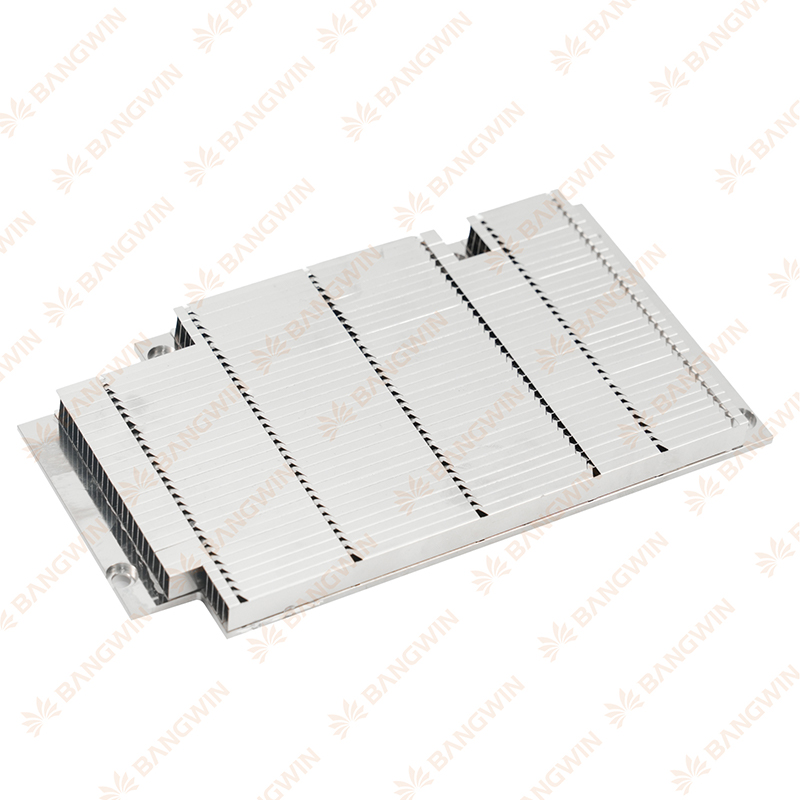
Skived Fin Heat Sink The Skived fin heat sink is a thermal management device that utilizes an advanced machining method to produce fins directly from the metal.
Unlike typical extrusion methods, skiving produces fins without separating them from the parent material.
In this way the base and fins stay in one piece.
This leads to a drastic reduction in thermal resistance.
For one, factories are now able to make extremely slender fins with close even spacing.
As a result, the surface area for cooling expands exponentially.
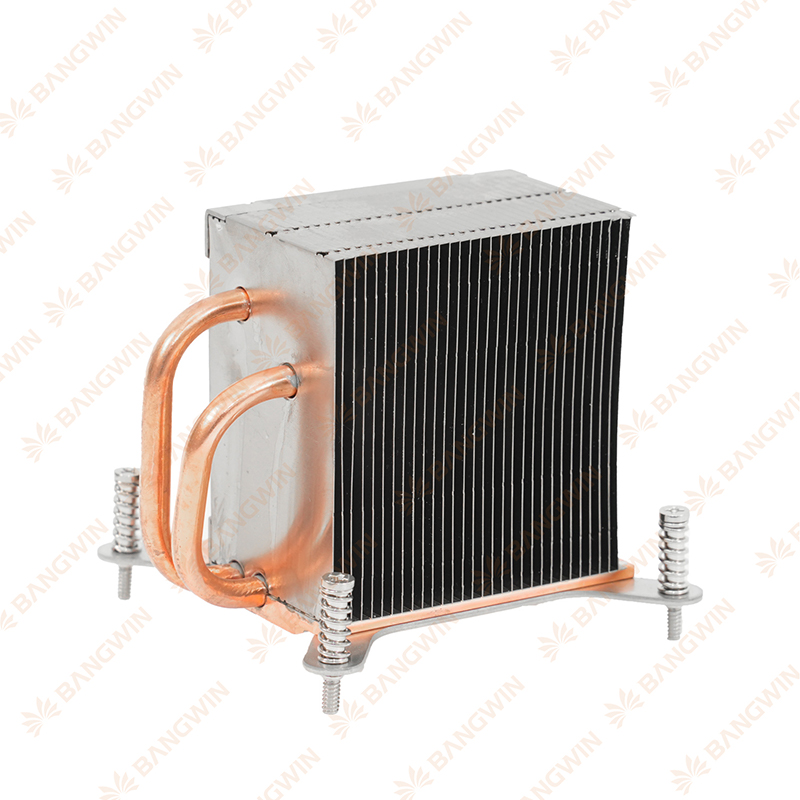
First up, here’s a typical skived fin heat sink:
- Integrated metal base
- High-density fins
- Optimized airflow channels
- Mounting structures
Thus, it has a very good cooling performance.
Read Technically Very Best Of Skived Fin Heat Sink
A Skived Fin Heat Sink is a direct metal conduction device that conducts heat efficiently.
Step one, The heat transfer from the heat source to this base.
Then, the heat diffuses via the integrated fin structure.
Afterward, the fins extract thermal energy through airflow.
This allows the device to operate at lower temperatures.
Since the fins are connected directly to the base, heat is transferred with little resistance.
Additionally, manufacturers frequently apply 【Heat Pipes】 to skived fin assemblies.
Moreover, engineers often combine skived fins with 【Vapor Chamber】 technology.
This has further enhanced the cooling performance.
Skived Fin Manufacturing Process
It requires the utilization of special equipment and control processes.
- Material Selection
Most manufacturers will decide with aluminum or copper.
As a result, this allows them to obtain excellent thermal conductivity.
- Skiving Operation
A blade cuts very small, thin slices from a block of metal.
The tool subsequently bends these layers upwards.
For this reason fins develop directly from the very same starting point.
- CNC Machining
Mounting holes and custom features machined by the manufacturer.
As a result, the heat sink that would meet application needs will be.
- Surface Treatment
Manufacturers may apply:
- Anodizing
- Nickel plating
- Sandblasting
- Protective coatings
Therefore, it increases the resistance to corrosion.
- Quality Inspection
And lastly engineers check the dimensions and thermal performance.
Therefore, customers receive reliable products.
Skived Fin Heat Sink Materials
The choice of the materials has a major impact on cooling efficiency.
Aluminum
Aluminum offers:
- Low weight
- Good thermal conductivity
- Cost-effective production
- Corrosion resistance
- Therefore, many manufacturers prefer aluminum.
Copper
Copper provides:
- Superior thermal conductivity
- Excellent heat spreading
- Better performance in high-power applications
- But on the other hand, copper adds more weight and cost.
Therefore, engineers evaluate requirements carefully.
Benefits of Skived Fin Heat Exchangers
Main advantages of a Skived Fin Heat Sink
- High Fin Density
Creating Fins in a verylimited space
Therefore, surface area increases significantly.
- Excellent Thermal Performance
Reduction of thermal resistance through the integrated structure.
Consequently, heat transfer improves.
- Flexible Design Options
Manufacturers customize fin geometry easily.
Consequently, they are suited for certain applications.
- Better Airflow Optimization
Engineers design the narrow spacing between fins to be just so.
So, the cooling effect is even better.
- Superior Reliability
Again, it is a one-piece framework which additionally reduces trends of mechanical weakness.
Therefore, product durability increases.
Skived Fin Heat Sink vs Extruded Heat Sink
Many engineers compare skived fin and extruded heat sink technologies.
Feature | Skived Fin Heat Sink | Extruded Heat Sink |
Fin Density | Very High | Moderate |
Thermal Performance | Excellent | Good |
Customization | High | Moderate |
Manufacturing Cost | Higher | Lower |
High-Power Applications | Excellent | Good |
Airflow Efficiency | Excellent | Good |
Therefore, skived fin technology suits demanding thermal applications.
Meanwhile, extruded heat sinks remain cost-effective for standard products.
Applications of Skived Fin Heat Sinks
- AI Servers
AI hardware generate massive amount of heat.
Thatisset up the cooling process, and hence, these are skived fin heat sink is helping therefore in a better way effective process for correspondences.
- Data Centers
Modern servers operate continuously.
Therefore, it is important to maintain a proper thermal management.
- Telecommunications Equipment
Stable operational temperatures are required for network hardware.
Hence, manufacturers adopt high-end cooling solutions.
- Electric Vehicles
Power electronics generate substantial heat.
Hence, efficiency is directly affected by thermal performance.
- Renewable Energy Systems
Cooling for Solar inverters and energy storage systems
So skived fin heat sinks are very good in the role.
- Industrial Automation
Long-term thermal stability is also needed for power modules.
So high-performance heat sinks are used by manufacturers.
Design Considerations
There are few important factors which an engineer has to consider when designing a Skived Fin Heat Sink.
- Fin Height
All higher fins are free to cooling surface;
But there arises an increase in airflow resistance too.
- Fin Thickness
Thin fins improve thermal performance.
Therefore, manufacturers optimize dimensions carefully.
- Material Selection
Different applications require different materials.
And, therefore the engineers need to land between performance and cost.
- Airflow Conditions
Airflow plays a critical role in cooling performance.
This is why designers optimize the airflow channels meticulously.
- Thermal Load
Engineers calculate expected heat generation.
Thus, the cooling requirements are satisfied by the heat sink.
Future Trends in Thermal Management
Multiple factors still fuel demand.
- AI Computing Growth
The cooling systems used in AI processors need to be made much more powerful.
Hence advanced heat sink technologies never dies.
- High-Density Electronics
Devices continue to shrink.
At the same time, power usage goes on multiplying.
This necessitates better cooling.
- Electric Vehicle Expansion
Adoption of EVs is on the rise all over the world.
This in turn drives demand for sophisticated thermal management.
- Hybrid Cooling Solutions
Manufacturers increasingly combine:
【Vapor Chamber Production Line】
This pushes the thermal performance to entirely new levels.
Recommended External Resource
For Industrial gas cylinders and other manufacturing items, please go:
Why Choose Bangwin Machine
Bangwin Machine Professional Management Manufacture System (Thermal manufacturing equipment and Turnkey production line.)
We provide:
Heat sink manufacturing equipment
【Vapor Chamber Production Line】
【Six-Station Vacuum Degassing Machine】
Moreover, we offer:
- Factory planning
- Equipment customization
- Technical training
- Installation support
- Production optimization
This enables customers to receive all-inclusive manufacturing solutions through one proven supplier.
👉 Learn more at https://thermalmachinery.com/
FAQ
- What is a skived fin heat sink?
The Skived Fin Heat Sink is a type of heat sink that details a metal block where fins are directly machined.
- Why pop if skived fin technology has better cooling than them?
This integrated structure also lowers thermal resistance while enhancing surface area.
- What is the most suitable material for skived fin heat sink?
Aluminum and copper still the most common.
- Heat pipe integration into skived fin heat sinks
Yes. A lot of cutting-edge, more complex cooling solutions use heat pipes in conjunction with skived fin designs.
- Or Derated Fin Heat Sinks — A Fit For AI Servers
Yes. They offer great thermal performance for high-power computing.
- What Types of Industries Utilize Skived Fin Heat Sinks?
AI and computing, telecommunications, electric vehicles (EVs), renewable energy, industrial automation and data centers all use them extensively.
Conclusion
I just inserted a great solution called Skived Fin Heat Sink that delivers excellent thermal performance for modern electronic systems.
These features include high fin bay density, superior heat transfer capabilities, and customization versatility.
As a result, extreme applications see manufacturers increasingly opting for skived fin technology.
Additionally, the market demand will keep growing due to growth in AI computing, EV technology and data centers.
Bangwin Machine provides sophisticated thermal manufacturing equipment and complete production solutions to customers all over the world.
👉 Check out: https://thermalmachinery.com/ for next generation thermal synthetics innovations and experienced manufacturing systems.
What Materials Are Used in Extruded Heat Sinks
Another important factor that heavily affects thermal performance is material selection.
- Aluminum 6063
Aluminium 6063 is the most frequently used data for manufacturers.
Moreover, it provides:
- Excellent thermal conductivity
- Lightweight structure
- Good corrosion resistance
- Easy extrusion
- Aluminum 6061
This is the alloy with enhanced mechanical strength.
Hence, it is fit for the most demanding industrial applications.
- Copper Inserts
Some designs integrate copper components.
This leads to even more heat transfer enhancement.
Advantages of Extruded Heat Sinks
Advantages of an Extruded Heat Sink
- Cost-Effective Manufacturing
Extrusion supports high-volume production.
Therefore, production costs remain low.
- Excellent Thermal Performance
The large fin areas will aid in dissipating heat.
Consequently, cooling efficiency increases.
- Lightweight Design
Aluminum weighs less than copper.
Hence, manufacturers lower the weight of products.
- Flexible Customization
Manufacturers create different profiles easily.
Consequently they cater to specific customer needs.
- Scalability
Extrusion supports mass production.
That is why, manufacturers manage the escalating demand
Extruded Heat Sink vs Other Heat Sink Types
Different cooling technologies offer different advantages.
Type | Cost | Performance | Complexity |
Extruded Heat Sink | Low | Good | Low |
Skived Fin Heat Sink | Medium | High | Medium |
Bonded Fin Heat Sink | High | Very High | High |
Heat Pipe Heat Sink | High | Excellent | High |
Vapor Chamber Heat Sink | Very High | Excellent | High |
Therefore, extruded heat sinks remain the preferred option for many standard applications.
Meanwhile, advanced cooling systems often combine:
These technologies support higher thermal loads.
Applications of Extruded Heat Sinks
Extruded heat sinks are used by some manufacturers in:
- Desktop computers
- Gaming consoles
- LED lighting
- Power supplies
- AI Servers
AI workloads create lots of heat.
Therefore, efficient cooling remains essential.
- Data Centers
You cannot use just any kind of thermal management suited to the server racks.
This is the reason that extruded heat sinks keep more stability for operation.
- Electric Vehicles
The cooling of battery systems and power electronics is critical.
Hence, heat tunnel designs are increasingly used in EV manufacturing.
- Telecommunications
Communication equipment operates continuously.
This necessitates managing heat very well.
- Industrial Automation
Long term reliability of industrial power modules
So it comes in handy the extruded heatsinks.
Design of Extruded Heat Sinks
Engineers must consider several factors.
- Fin Geometry
Fin spacing influences airflow performance.
So, Design, in turn, increase the effectiveness o heat exchange.
- Material Selection
Different alloys provide different characteristics.
In turn, it affects the choice of materials by engineers as per requirement.
- Airflow Direction
Airflow strongly affects thermal performance.
As such, fin orientation is an important consideration for designers.
- Mounting Method
Secure installation improves heat transfer.
Therefore, Thermal Resistance decreases.
- Environmental Conditions
Engineers considered heat, humidity and dust exposure.
Hence, the heat sink works well at working environment.
On other side, these growth of extruded heat sink technology and its future
The market is shaped by various trends continuingly.
- Artificial Intelligence Growth
The coolers in AI hardware are getting bigger and bigger.
And so integrated heat sink designs keep progressing.
- High-Density Computing
Data Centre require higher thermal Efficiency.
This explains why hybrid cooling solutions are becoming more popular.
- Electric Vehicle Expansion
Globally, the adoption of electric vehicles (EV) continues to grow.
This is why thermal management technologies are a big area of investment for manufacturers.
- Smart Manufacturing
Automation improves production efficiency.
Due to that, heat sink quality and consistency are still being improved.
Recommended External Resource
For Industrial gas cylinders and other manufacturing items, please go:
Why Choose Bangwin Machine
Bangwin Machine is a manufacturer of thermal cost-effective manufacturing equipment and turnkey production solutions.
We provide:
Heat sink production equipment
【Vapor Chamber Production Line】
【Six-Station Vacuum Degassing Machine】
Moreover, we offer:
- Factory planning
- Equipment customization
- Technical training
- Installation support
- Process optimization
This means that customers can source complete manufacturing solutions from a single supplier.
👉 More details>> https://thermalmachinery.com/
FAQ
- An extruded heat sink defined.
An Extruded Heat Sink is a kind of cooling component made using the aluminum extrusion process.
- Why Extruded Heat Sinks Are Preferred By Manufacturers?
High thermal performance, low price & simple customization are the key features they provide.
- Also read: Which materials are suitable for extruded heat sinks?
Aluminium 6063 is still the most used type as it gives a good compromise between performance vs price.
- Are extruded heat sinks compatible with heat pipes?
Yes. One approach that a lot of higher-end designs implement is with heat pipes.
- Possible bad news: Extruded heat sinks may not cut it for AI servers
Yes. They are most effective cooling solutions for several AI and data center applications.
- Answer : Applications of Extruded Heat Sinks.
They are widely used in electronics, telecommunications, EVs, industrial automation and data centers.
Conclusion
The Extruded Heat Sink is arguably one of the most cost effective and efficient means of cooling today.
It has great thermal characteristics, is light weight and can be manufactured at scale.
Hence, extruded heat sinks are still employed by manufacturers across diverse sectors.
Platini added that future expansion of AI computing, EV technology and data centers will need even more than the second boost.
Bangwin Machine offers leading-edge thermal manufacturing equipment and turnkey production solutions for customers around the world.
👉Go to: thermalmachinery.com and learn more about advanced thermal management technologies and manufacturing systems.
