
Introduction
Modern electronic devices keep producing higher heat densities. As a result, the more efficient thermal management becomes essential.
Advanced cooling technologies are crucial for high-performance GPUs, AI processors, servers, electric vehicles and industrial electronics.
A great example of phase change technology at work, vapor chambers utilize incredible heat spreading performance.
But creating a high-performance vapor chamber is not something that can be accomplished without exacting methods of fabrication.
There are several processes that comprise the Vapor Chamber Manufacturing Process, including:
- Copper plate preparation
- Wick structure production
- Chamber forming
- Vacuum processing
- Working fluid filling
- Sealing
- Thermal performance testing
The final cooling performance of is determined by each of these steps.
But this requires manufacturers to have advanced production equipment, and good quality control.
👉 For professional thermal production solutions, please visit https://thermalmachinery.com/

What Is a Vapor Chamber?
First things first, to learn about the vapor chamber manufacturing process, you need to know how this product is structured.
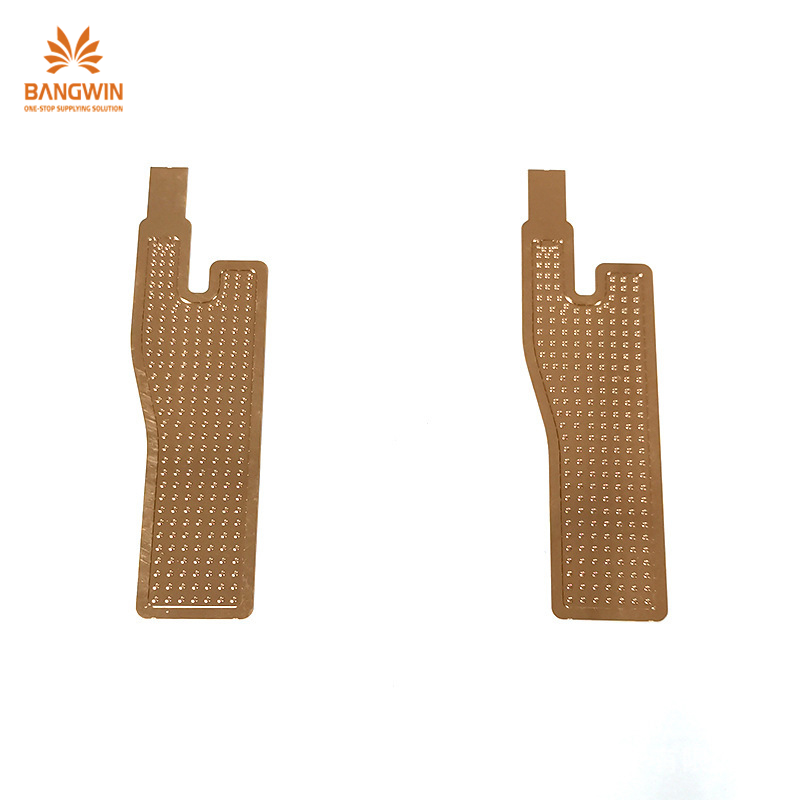
A vapor chamber is a planar heat transfer device that employs liquid-vapor phase change to transfer heat.
It contains:
- Copper cover plates
- Wick structure
- Working fluid
- Internal vapor space
The operating principle is simple:
- Heat enters the evaporation area.
- The working fluid absorbs heat.
- Liquid changes into vapor.
- Vapor spreads through the chamber.
- The vapor goes on to provide heat at cooler areas.
- Liquid returns through the wick.
As such, vapor chambers can effectively spread heat without the need for mechanical movement.
Why does it make a difference for vapor chamber manufacturing process
Vapor chamber is a performance dependent on manufacturing quality.
This can be impacted by a small production error:
- Thermal resistance
- Heat transfer speed
- Reliability
- Service life
Thus, manufacturers should need to have control over all stages of production.
Why Choose a Professional Vapor Chamber Manufacturing Process
High Thermal Performance
Examples were shown of wick structures that you need to do very precisely so that the liquid flows in well.
Therefore, heat transfer efficiency increases.
Stable Vacuum Environment
Vacuum processing removes the undesired gases.
Consequently, internal heat transfer improves.
Reliable Sealing Quality
A strong seal prevents leakage.
This means that you are able to remain at top performance levels with a vapor chamber long-term.
Consistent Product Quality
Automated production reduces human errors.
Consequently, stability of output is secured by the manufacturers.
Main Components of Vapor Chamber
A vapor chamber comprises several critical parts.
4.1 Copper Cover Plates
Copper has been the longest-used material.
The reasons include:
- Excellent thermal conductivity
- Good processing performance
- High reliability
Manufacturers typically utilize sheets of high-purity copper.
4.2 Wick Structure
Liquid return is controlled by the wick structure.
It provides capillary force.
Common wick types include:
It consists of a wick manufacturing performed by sintering copper powder in this case.
Advantages:
- High capillary force
- Excellent heat transfer ability
Mesh Wick
Manufacturers use metal mesh structures.
Advantages:
- Stable performance
- Flexible design
Groove Wick
The manufacturers then creates certain channels in the copper plates.
Advantages:
- Simple structure
- Reliable operation
4.3 Working Fluid
Heat is transferred via phase change of the working fluid.
Common fluids include:
- Water
- Methanol
- Other thermal fluids
Manufacturers choose fluids based on temperatures.
Complete Vapor Chamber Manufacturing Process
Process for Manufacturing a Vapor Chamber — Each of these precision production stages is part of the process for manufacturing a vapor chamber.
Step 1: Copper Material Preparation
This starts with preparing the copper sheet.
This means that it is chosen in accordance with the requirements of products and manufacturers to anemone copper materials.
Then, they perform:
- Cutting
- Cleaning
- Surface treatment
The copper plates also arrive at adequate manufacturing conditions.
Step 2: Wick Structure Manufacturing
The design of the wick structure is key.
Different procedures are utilized by manufacturers to make inner wick structures.
Common processes include:
- Powder filling
- Sintering
- Mesh installation
- Groove machining
Hence, the wick performs its needed capillary behavior.
【Automatic Powder Filling Machine】
Step 3: Copper Plate Forming
The internal cavity structure is created by manufacturers.
The process may include:
- Stamping
- CNC machining
- Press forming
This results in the vapor space being exact measurements.
Step 4: Assembly of wick and cover plate
Manufacturers assemble:
- Upper copper plate
- Lower copper plate
- Wick structure
Precision alignment is essential.
Therefore, automated assembly improves consistency.
【Vapor Chamber Assembly Equipment】
Step 5: Vacuum Degassing Process
Vacuum processing removes:
- Air
- Non-condensable gases
- Manufacturing residues
This method has a direct impact on thermal performance.
That is why manufacturers cede to use commercial vacuum devices.
【Vacuum Degassing Machine】
【Primary Degassing Machine】
【Six-Station Vacuum Degassing Machine】
Step 6: Working Fluid Filling
Manufacturers inject the working fluid with vacuum processing.
Filling amount needs to be controlled accurately.
Excess fluid may diminish vapor space.
Having not enough fluid can diminish cooling performance.
Therefore, accurate filling improves efficiency.
Step 7: Vacuum Sealing
Vapor chambers are permanently sealed by manufacturers.
Common methods include:
- Laser welding
- Brazing
- Diffusion bonding
Seals must seal against leakage.
Therefore, manufacturers perform strict inspection.
Step 8: Surface Finishing
Manufacturers complete final processing.
The process may include:
- Cleaning
- Polishing
- Surface treatment
As a result, goods look better and function better.
Step 9: Thermal Performance Testing
Testing is a critical stage.
Manufacturers evaluate:
- Thermal resistance
- Heat spreading capability
- Leakage performance
- Flatness
Thus only “qualified” material passes through to final production.
Vapor Chamber Manufacturing at a Glance
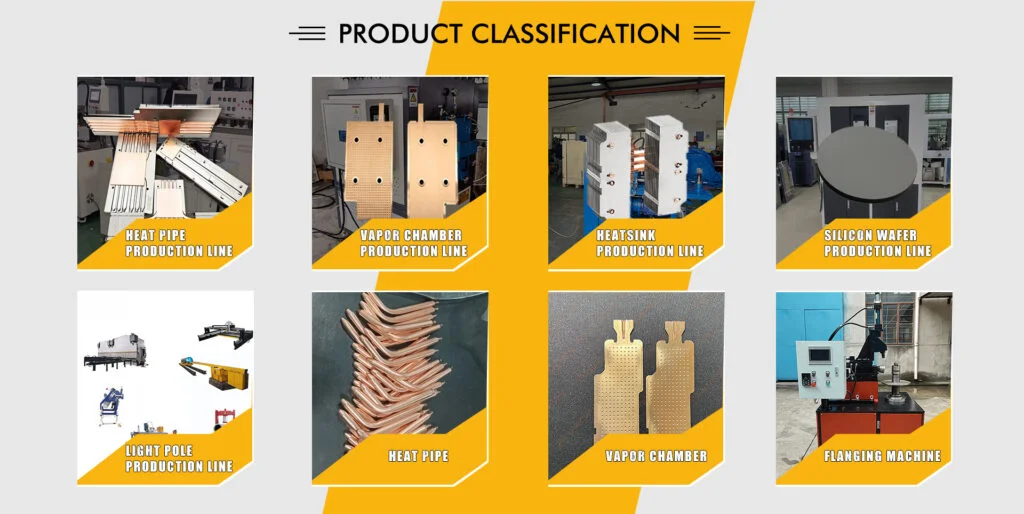
It takes few machines to automate a complete vapor chamber production line.
Important equipment includes:
Automatic Powder Filling Machine
Used for accurate filling of wick powder.
Sintering Equipment
Employed in the manufacture of fast-wicking types of structures.
Vacuum Degassing Equipment
Used for removing internal gases.
Fluid Filling Machine
Applied for precise working fluid injection.
Sealing Equipment
Used for creating airtight structures.
Testing Equipment
For thermography and visualisation.
A complete system may include:
【Vapor Chamber Production Line】
Automated Vapor Chamber Assembly system
Manufacturing Din Watch Case from Vapor Chamber
Quality control affects final performance.
Manufacturers usually check:
Material Quality
Inspect:
- Copper purity
- Thickness
- Surface condition
Wick Performance
Evaluate:
- Capillary capability
- Structure consistency
Vacuum Quality
Check:
- Internal pressure
- Gas removal efficiency
Leakage Testing
Verify sealing reliability.
Thus, the products have a long service life.
Thermal Testing
Measure:
- Heat transfer efficiency
- Temperature distribution
Therefore, manufacturers confirm product performance.
Challenges in Vapor Chamber Production
Vapor Chamber Manufacturing Process Technology
Common challenges include:
Wick Structure Optimization
Wick designs vary according to different applications.
Therefore, manufacturers need process experience.
Vacuum Control
Poor vacuum quality reduces performance.
Thus, strict degassing technology is important.
Sealing Reliability
Well-seal… leads to leakage issues.
Therefore, the stability of welding quality must be assured.
Mass Production Consistency
Large-scale production requires automation.
Consequently, the manufacturers use advanced production systems.
Applications of Vapor Chamber Technology
Vapor chambers support many industries.
GPU Cooling
Modern GPUs generate high heat.
As a result, vapor chambers have superior cooling efficiency.
Related keyword:
AI Servers
Advanced thermal solutions for AI processors.
Vapor chambers enable high-performance computing therefore.
Data Centers
Servers operate continuously.
Therefore, Efficient cooling lessen thermic threats.
Electric Vehicles
Reliable thermal management is critical to the EV system.
Consequently, vapor chambers are useful for cooling power electronics.
Trends over the next decade of vapor chamber manufacturing
The thermal industry continues developing.
Higher Performance Cooling
AI chips need better heat dissipation.
Hence, the advancements in vapor chamber technology are also still ongoing.
More Automation
Manufacturers increasingly use automated systems.
Consequently, production efficiency increases.
Miniaturized Designs
Electronics become smaller.
So, this places more attention on thinner vapor chambers.
Integrated Thermal Solutions
Future systems combine:
- Vapor chambers
- Heat pipes
- Heat sinks
Thus, entire cooling solutions become high-performance.
Why Choose Bangwin Machine
Professional thermal manufacturing equipment of Bangwin Machine.
Our solutions include:
- Vapor chamber production lines
- Heat pipe manufacturing equipment
- Heat sink production systems
- Vacuum processing machines
- Automated assembly equipment
Moreover, we support customers with:
- Equipment customization
- Production line planning
- Technical support
- Manufacturing optimization
Each solution is a complete thermal production, which means the customer is not abandoned as they get their solution from head to toe.
👉 Click here
Home
FAQ
- What is the Vapor Chamber Manufacturing Process?
The Vapor Chamber Manufacturing Process includes copper preparation, wick production, assembly, vacuum degassing, fluid filling, sealing, and testing.
- What material does a vapor chamber use?
Most vapor chambers use copper because copper provides excellent thermal conductivity.
- Why is vacuum degassing important?
Vacuum degassing removes unwanted gases and improves heat transfer performance.
- What equipment is required for vapor chamber production?
Production requires powder filling machines, assembly equipment, vacuum systems, filling machines, and testing equipment.
- Can Bangwin Machine provide a complete vapor chamber production line?
Yes. Bangwin Machine provides complete vapor chamber manufacturing equipment and customized production solutions.
Conclusion
Manufacturers use high precision engineering and better production technologies on the Vapour Chamber Manufacturing Process.
The manufacturing of wick structures to vacuum sealing and thermal testing all influence the performance in terms of how well it cools.
Thus, manufacturers require reliable equipment as well as professional process solutions.
The demand for AI computing, GPUs, data center as well as electric vehicle applications will drives the vapor chamber industry on into 2023.
Bangwin Machine offers complete thermal manufacturing solutions and professional vapor chamber production equipment to worldwide clients.
👉 Go here https://thermalmachinery.com/ to discover state-of-the-art manufacturing technologies for vapor chambers as of October 2023.
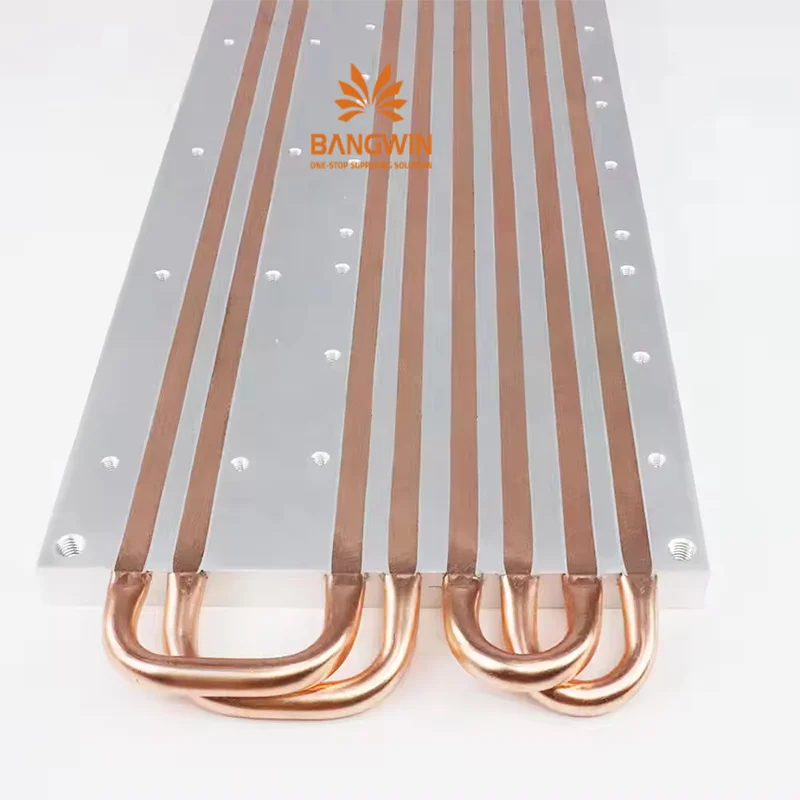
What Materials Are Used in Extruded Heat Sinks
Another important factor that heavily affects thermal performance is material selection.
- Aluminum 6063
Aluminium 6063 is the most frequently used data for manufacturers.
Moreover, it provides:
- Excellent thermal conductivity
- Lightweight structure
- Good corrosion resistance
- Easy extrusion
- Aluminum 6061
This is the alloy with enhanced mechanical strength.
Hence, it is fit for the most demanding industrial applications.
- Copper Inserts
Some designs integrate copper components.
This leads to even more heat transfer enhancement.
Advantages of Extruded Heat Sinks
Advantages of an Extruded Heat Sink
- Cost-Effective Manufacturing
Extrusion supports high-volume production.
Therefore, production costs remain low.
- Excellent Thermal Performance
The large fin areas will aid in dissipating heat.
Consequently, cooling efficiency increases.
- Lightweight Design
Aluminum weighs less than copper.
Hence, manufacturers lower the weight of products.
- Flexible Customization
Manufacturers create different profiles easily.
Consequently they cater to specific customer needs.
- Scalability
Extrusion supports mass production.
That is why, manufacturers manage the escalating demand
Extruded Heat Sink vs Other Heat Sink Types
Different cooling technologies offer different advantages.
Type | Cost | Performance | Complexity |
Extruded Heat Sink | Low | Good | Low |
Skived Fin Heat Sink | Medium | High | Medium |
Bonded Fin Heat Sink | High | Very High | High |
Heat Pipe Heat Sink | High | Excellent | High |
Vapor Chamber Heat Sink | Very High | Excellent | High |
Therefore, extruded heat sinks remain the preferred option for many standard applications.
Meanwhile, advanced cooling systems often combine:
These technologies support higher thermal loads.
Applications of Extruded Heat Sinks
Extruded heat sinks are used by some manufacturers in:
- Desktop computers
- Gaming consoles
- LED lighting
- Power supplies
- AI Servers
AI workloads create lots of heat.
Therefore, efficient cooling remains essential.
- Data Centers
You cannot use just any kind of thermal management suited to the server racks.
This is the reason that extruded heat sinks keep more stability for operation.
- Electric Vehicles
The cooling of battery systems and power electronics is critical.
Hence, heat tunnel designs are increasingly used in EV manufacturing.
- Telecommunications
Communication equipment operates continuously.
This necessitates managing heat very well.
- Industrial Automation
Long term reliability of industrial power modules
So it comes in handy the extruded heatsinks.
Design of Extruded Heat Sinks
Engineers must consider several factors.
- Fin Geometry
Fin spacing influences airflow performance.
So, Design, in turn, increase the effectiveness o heat exchange.
- Material Selection
Different alloys provide different characteristics.
In turn, it affects the choice of materials by engineers as per requirement.
- Airflow Direction
Airflow strongly affects thermal performance.
As such, fin orientation is an important consideration for designers.
- Mounting Method
Secure installation improves heat transfer.
Therefore, Thermal Resistance decreases.
- Environmental Conditions
Engineers considered heat, humidity and dust exposure.
Hence, the heat sink works well at working environment.
On other side, these growth of extruded heat sink technology and its future
The market is shaped by various trends continuingly.
- Artificial Intelligence Growth
The coolers in AI hardware are getting bigger and bigger.
And so integrated heat sink designs keep progressing.
- High-Density Computing
Data Centre require higher thermal Efficiency.
This explains why hybrid cooling solutions are becoming more popular.
- Electric Vehicle Expansion
Globally, the adoption of electric vehicles (EV) continues to grow.
This is why thermal management technologies are a big area of investment for manufacturers.
- Smart Manufacturing
Automation improves production efficiency.
Due to that, heat sink quality and consistency are still being improved.
Recommended External Resource
For Industrial gas cylinders and other manufacturing items, please go:
Why Choose Bangwin Machine
Bangwin Machine is a manufacturer of thermal cost-effective manufacturing equipment and turnkey production solutions.
We provide:
Heat sink production equipment
【Vapor Chamber Production Line】
【Six-Station Vacuum Degassing Machine】
Moreover, we offer:
- Factory planning
- Equipment customization
- Technical training
- Installation support
- Process optimization
This means that customers can source complete manufacturing solutions from a single supplier.
👉 More details>> https://thermalmachinery.com/
FAQ
- An extruded heat sink defined.
An Extruded Heat Sink is a kind of cooling component made using the aluminum extrusion process.
- Why Extruded Heat Sinks Are Preferred By Manufacturers?
High thermal performance, low price & simple customization are the key features they provide.
- Also read: Which materials are suitable for extruded heat sinks?
Aluminium 6063 is still the most used type as it gives a good compromise between performance vs price.
- Are extruded heat sinks compatible with heat pipes?
Yes. One approach that a lot of higher-end designs implement is with heat pipes.
- Possible bad news: Extruded heat sinks may not cut it for AI servers
Yes. They are most effective cooling solutions for several AI and data center applications.
- Answer : Applications of Extruded Heat Sinks.
They are widely used in electronics, telecommunications, EVs, industrial automation and data centers.
Conclusion
The Extruded Heat Sink is arguably one of the most cost effective and efficient means of cooling today.
It has great thermal characteristics, is light weight and can be manufactured at scale.
Hence, extruded heat sinks are still employed by manufacturers across diverse sectors.
Platini added that future expansion of AI computing, EV technology and data centers will need even more than the second boost.
Bangwin Machine offers leading-edge thermal manufacturing equipment and turnkey production solutions for customers around the world.
👉Go to: thermalmachinery.com and learn more about advanced thermal management technologies and manufacturing systems.
